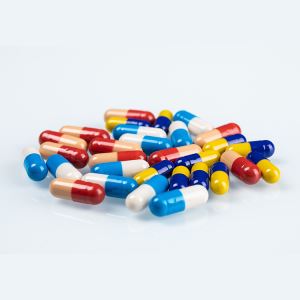

Zhejiang Tianlong Capsule Co., Ltd. was founded in 1987 and is a professional manufacturer of hollow capsules. At present, the company has two capsule production plants and 46 hollow capsule production lines installed. The plant area is strictly planned and designed according to the GMP standard for pharmaceutical excipients. The layout is scientific and reasonable. It has passed ISO9001 quality management system certification and is registered with the FDA in the United States.
Why Choose Us
Our Product
Gelatin Empty Hard Capsules:Gelatin empty hard capsules are the most widely used all around the world at present.
HPMC Empty Hard Capsules: Low water content, suitable for water sensitive components.No risk of cross-linking reaction.The structure of elastic polymer ensures the stability of the capsule and the high filling rate.
Pullulan Empty Hard Capsules:Pullulan capsules used pullulan polysaccharides (fermented from corn) as main raw material, produced by special dipping and drying process.
Our Certificate
We always feel that all success of our company is directly related to the quality of the products we offer. They meet the highest quality requirements as stipulated in ISO9001, USFDA, HALAL and our stringent quality control system.
Main Market
Products are also exported to Europe, the Americas, Africa, Central Asia, the Middle East and many other countries and regions. Has won wide recognition in the global pharmaceutical and health industry.
Our Service
Corrective actions by responding quickly to any quality request or issue and collaborating in trouble-shooting on your capsule-filling line.
Preventive actions by being on hand to advise and anticipating any changing situations in production requirements. Additionally, on your demand, we can organize training activities for operators, or whom you decide, in capsule-filling production areas.

Empty Gelatin capsule
Material: Pharmaceutical grade geltain
The capsule will be dissolved quickly, reliable and safe.

Material: Gelatin
Application: Medical
Logo Printing: Customized Printing
Flexibility: Hard

The raw material of our gelatin capsules is sourced from Dongbao and Rousselot, the largest suppliers of high quality bovine bone gel. The process of manufacturing gelatin capsules and operation is in accordance with GMP standards.

The raw material of our gelatin capsules is sourced from Dongbao and Rousselot, the largest suppliers of high quality bovine bone gel. The process of manufacturing gelatin capsules and operation is in accordance with GMP standards.

The raw material of our gelatin capsules is sourced from Dongbao and Rousselot, the largest suppliers of high quality bovine bone gel. The process of manufacturing gelatin capsules and operation is in accordance with GMP standards.

In accordance to our shipping and warehousing instructions.
Deliveries within mainland EU/ EFTA are House Delivered (DAP).

We use high-quality raw materials, raw material suppliers are international and domestic first-class manufacturers.
Features of three-lane capsules: Not easy to leak powder in the processes of filling and polishing, and the filling precision is high.

Zhejiang Tianlong Capsule Co., Ltd. Was founded in 1987 and is a professional manufacturer of hollow capsules. At present, the company has two capsule production plants and 46 hollow capsule production lines installed.

Empty Gelatin Capsule Bovine 0
Empty capsules by medical gelatin caps with auxiliary materials refined but become, body two capsule shells. It is mainly used for holding solid drugs. Such as homemade powder, health care products, pharmaceutical, etc.
What Is Hard Gelatin Capsule
Empty capsules are cylindrical and consist of a cap and body that fit and lock together, forming a hard yet elastic empty shell, widely used in the preparation of capsule formulations in the pharmaceutical and health product industries. Empty capsules are made from primary materials and auxiliary materials. The primary material for empty capsules is generally food-grade or pharmaceutical-grade high molecular weight film-forming materials, which contain a certain amount of moisture. When needed, based on different film material characteristics, different preparation processes, and user demands, a very small amount of food-grade or pharmaceutical-grade adjuvants, such as colorants, light blockers, plasticizers, and gelling agents, may be used.
Advantages of Hard Gelatin Capsule
Enhanced product protection: Hard gelatin capsules act as an effective barrier, protecting the contents from degradation caused by exposure to air, light, and moisture. This ensures the medication or supplement remains potent and effective over time.
Easy to swallow: The smooth, slippery surface of gelatin capsules makes them easy to swallow, even without water. This increases patient compliance, especially for individuals who find it difficult to take tablets or powders.
Versatile formulation: These capsules can be filled with a wide range of substances, including powders, granules, pellets, and even some semi-solid formulations. This versatility makes them suitable for a broad spectrum of industries, from pharmaceuticals to dietary supplements.
Taste and odor masking: Gelatin capsules are excellent for masking unpleasant tastes and odors associated with some active ingredients. This helps improve the overall consumer experience, especially when dealing with bitter or otherwise unpalatable substances.
Customisable options: Hard gelatin capsules can be produced in various sizes, shapes, and colors, making them customisable to meet branding requirements or product differentiation needs. Manufacturers can even imprint logos, batch numbers, or dosage information directly on the capsule shell.
Controlled release formulations: Hard gelatin capsules can be used in conjunction with specialised filling techniques to create controlled or delayed-release formulations. This allows for a more targeted delivery of active ingredients, providing a therapeutic effect over an extended period.
What Is the Importance of Selecting the Right Capsule Type
Selecting the right type of capsule is a crucial part for manufacturers and pharmaceutical. The choice of capsule can impact the efficacy of the product. So, here are several factors to be considered when choosing a gelatin capsule:
Size
There are five different sizes of gelatin capsules, with 000 being the largest. The sizes range from 000 to 5. The size you choose will depend on the dosage of your supplement and the ease of swallowing.

Quality
It's important to choose high-quality, pharmaceutical-grade gelatin capsules to ensure that they are free from contaminants and impurities.
Variety of colors
These capsules are introduced in market in many colors. Light-colored capsules, for instance, may allow more light to pass through, which may reduce the stability of light-sensitive supplements.
Capsule closure
Gelatin capsules can be sealed using a twist mechanism or a snap mechanism. The snap mechanism is easier to use but may not provide as tight of a seal as the twist mechanism.
Choose your gelatin source
We all know gelatin is the main ingredient in making empty capsules. Basically, it is a protein extracted from animal collagen. And yet, there are many different sources of gelatin. Capsule manufacturers often choose to get their gelatin from cows or pigs. But now, vegan alternatives are also getting popular.
Make your gelatin solution
Next, dissolve the selected gelatin in hot water and make a concentrated solution. In this step, you must strictly control the ratio of water to gelatin. So you can ensure the final capsule get the desired consistency and strength.
Add plasticisers
At this stage, some manufacturers may add plasticisers in their gelatin solution. This is to make the final capsules more flexible and reduce their bitter tastes.
Sorting and shipping
At last, sort the finished capsules by size and quantity, then pack and ship them for use.
Mould the capsule shape
Next, a special machine is used to dip rows of metal pins into the gelatin solution. This gives the pins a thin coating. The gelatine-coated pins then move to a special mould shaped like two hemispheres - one for the capsule body and the other for the capsule cap. Think of it like a little biscuit cutter that presses the gelatin into these shapes.
Check your capsules
Before hitting the shelves, these capsules should undergo rigorous quality control checks for any defects in size, shape, or consistency. Always remember, only flawless capsules can move forward.
Drying and joining
After molding, the capsules enter a controlled environment for drying. This ensures they dry evenly and keep their perfect shape. Once dry, the capsule body and capsule cap join together to form the final empty gelatin capsule.
What Is the Use of Empty Capsules
Empty capsules are a practical and versatile tool in various industries, primarily the pharmaceutical, healthcare, and dietary supplement sectors, for the following purposes:
|
Use of Empty Capsules |
|
|
Pharmaceuticals |
Encapsulate pharmaceutical drugs to ease oral administration. Provide a solution for bitter or unpleasant-tasting medications. Allow precise dosing with specific amounts of active ingredients. Formulate drugs in capsules for controlled release and sustained delivery. |
|
Dietary Supplements |
Encapsulate vitamins, minerals, and herbal extracts for convenient dosing. Offer an easy way to incorporate natural remedies into daily routines. Provide targeted supplementation with amino acids and nutritional compounds. |
|
Nutraceuticals |
Encapsulate functional ingredients like probiotics and antioxidants for health benefits. Create capsules containing bioactive compounds beyond basic nutrition. |
|
Cosmetics & Personal Care |
Formulate beauty supplements encapsulated in capsules for skin health and hair growth. |
|
Flavor & Fragrance Delivery |
Use flavor capsules in the food and beverage industry for bursts of flavor. Employ fragrance capsules in air fresheners and aromatherapy products. |
|
Veterinary Medicine |
Utilize capsules in animal healthcare for accurate dosing of medications and supplements. |
|
Research and Development |
Create custom formulations for experimental drugs, supplements, or other substances. |
Biological Properties of Empty Hard Gelatin Capsules
Composition and structure
Gelatin is a natural polymer derived from collagen, a structural protein found in animal connective tissues. The most common sources of gelatin for ehgcs are bovine. Gelatin derived from these sources undergoes partial hydrolysis, breaking down the collagen into smaller peptide chains that can be formed into capsules.
Biocompatibility
Biocompatibility refers to the ability of a material to perform with an appropriate host response when applied within the body. For ehgcs, this means they must not induce adverse reactions when ingested and must be compatible with the encapsulated drug.
Factors influencing biocompatibility
Source of gelatin: Bovine gelatins have been shown to be highly biocompatible, with minimal immune responses in most individuals.
Purity: Impurities in gelatin, such as residual solvents or microbial contamination, can affect biocompatibility.
Additives: Ehgcs often contain additives like plasticizers, preservatives, and colorants, which must also be biocompatible.
Testing biocompatibility
Biocompatibility is assessed through various in vitro and in vivo tests, including:
Cytotoxicity tests: Assess the effect of the material on cell viability.
Sensitization tests: Determine if the material causes an allergic reaction.
Irritation tests: Evaluate the potential of the material to cause irritation to tissues.
Systemic toxicity tests: Examine the overall toxicity of the material when ingested.
Biodegradability
Gelatin is a biodegradable material, meaning it can be broken down by biological processes within the body. The degradation of gelatin involves enzymatic hydrolysis, where enzymes such as collagenases, gelatinases, and proteases break down the peptide bonds in gelatin, resulting in smaller peptides and amino acids.
Factors affecting degradation rate
Environmental ph: The rate of gelatin degradation is ph-dependent, with faster degradation occurring at acidic or basic ph levels compared to neutral ph.
Presence of enzymes: The availability and concentration of degradative enzymes in the gastrointestinal tract significantly impact the degradation rate.
Interaction with the human body
Ehgcs are primarily administered orally, where they encounter the complex environment of the gastrointestinal (gi) tract. Upon ingestion, ehgcs undergo the following stages:
Disintegration: The hard gelatin shell rapidly absorbs water and swells, leading to the disintegration of the capsule.
Dissolution: The gelatin dissolves, releasing the encapsulated drug into the gi fluids.
Absorption: The released drug is absorbed through the intestinal wall into the bloodstream.
Gastrointestinal transit and emptying time
The gi transit and emptying time of ehgcs are critical for the timely release and absorption of the drug. Factors influencing these parameters include:
Capsule size and density: Larger and denser capsules tend to have slower transit times.
Gastric motility: The peristaltic movements of the stomach and intestines propel the capsule through the gi tract.
Presence of food: Food can slow down the transit time by delaying gastric emptying.
Gelatin is widely used to create the shell for both hard and soft capsules, providing an effective means of protecting the contents from light, atmospheric oxygen, contamination and microbial growth as well as masking taste and odor.
Hard capsules represent 75% of the gelatin capsule market. Also known as two-piece capsules, they consist of two cylindrical shells with a cap that fits closely over the body to form a hermetically closed unit. They can be produced in sizes ranging from 000 to 5 for humans and may be transparent or colored. Imprinting is also possible.
Hard capsules are commonly filled with powders, granules, pellets and mini-tablets. They can also be filled with liquids and pastes utilizing methods that have been developed to seal and package the capsules while maintaining drug safety standards.
Soft capsules, meanwhile, feature a one-piece, hermetically sealed flexible shell, benefiting from gelatin's ability to dissolve in hot water and form a gel upon cooling. They can have either a liquid or semi-solid filling, with the ability to create shells with different shapes and colors.
While soft capsules make up only around one quarter of the gelatin capsule market, they offer significant advantages over many traditional oral dosage forms. These include the protection of APIs, improved swallowability, and the ability to readily dissolve in the gastric juices of the gastrointestinal tract. In addition, the absorption of poorly soluble compounds encapsulated in soft capsules may be higher compared to conventional dosage forms.
One challenge for both hard and soft gelatin capsules is crosslinking, which can affect bioavailability. Crosslinking is a natural behavior by which gelatin molecules link together and dissolve more slowly due to circumstances such as humidity or storage temperature, or the chemical properties of a capsule's filling. The best-known compounds that induce crosslinking reactions with gelatin protein chains are aldehydes, which typically form a crosslink with amino groups of gelatin.
Modern solutions can reduce crosslinking in soft capsules, improving bioavailability by providing better dissolution and stability over time.
Considerations of Empty Capsules
Producing capsules can vary based on the capsule's material, size, and customization options. This cost may influence product pricing.
Some individuals may have allergies or sensitivities to certain capsule materials, affecting their ability to consume products encapsulated in them.
Depending on the industry and region, regulations and standards may govern the use of capsules in pharmaceuticals, dietary supplements, and other products.
The choice between gelatin and plant-based (vegetarian) capsules depends on dietary preferences, cultural considerations, and potential allergies or sensitivities.
Gelatin capsules are often derived from animal sources, which can raise ethical and environmental considerations. Plant-based capsules offer a more sustainable option in this regard.
The shelf life of capsules can vary based on their composition and storage conditions. Manufacturers and consumers must be mindful of expiration dates to ensure product efficacy and safety.
The dissolution time of a capsule's shell can affect the release of the enclosed substance in the body. Some pills may dissolve more quickly than others, influencing the timing of the substance's absorption.
FAQ
Hot Tags: hard gelatin capsule, China hard gelatin capsule manufacturers, suppliers, factory, gelatin capsules for cantaloupes extracts, gelatin capsules for sweet potatoes extracts, gelatin capsules for peaches extracts, gelatin capsules for beans extracts, gelatin capsules for cocoa extracts, gelatin capsules for liquid supplements