

Zhejiang Tianlong Capsule Co., Ltd. is a professional manufacturer of hollow capsules. We mainly produce 00#, 00#B, 0#el, 0#, 1#, 2#, 3#, 4# and other specifications of gelatin hollow capsules and plant capsules. At present, the company has two capsule production plants and installed 46 hollow capsule production lines,the current annual production capacity has reached 26 billion capsule.
Raw Materials
We offer a vertically integrated supply chain model to ensure reliable long-term supply, complete traceability, and superior quality of raw materials. Our raw materials pass through strict quality control assessments before going to the manufacturing stage.
Complete Qualifications
Our plant area is strictly planned and designed according to the GMP standard for pharmaceutical excipients. We have passed ISO9001, USFDA, HALAL quality management system certification and is registered with the FDA in the United States.
OEM & ODM Service
We can provide hundreds of colors for customers to choose, but also in accordance with the customer's color card number and sample custom production.
Quality Guaranteed
Advanced automated equipment and facilities, strict indoor cleanliness procedures and perfect quality real-time monitoring, as well as high-quality raw materials to ensure that customers can provide quality products at any time.
-
![Vacant Hard Capsule]() Vacant Hard Capsule
Vacant Hard CapsuleThe Best Vacant Hard Capsule Manufacture! Zhejiang Tianlong Capsule Co., Ltd. is a professional manufacturer of hollow capsules. We mainly produce 00#, 00#B, 0#el, 0#, 1#, 2#, 3#, 4# and other
-
![HPMC Vegetarian Capsule]() HPMC Vegetarian Capsule
HPMC Vegetarian CapsuleHPMC stands for hydroxypropyl methylcellulose or hypromellose for short. HPMC is the material from which most supplement capsules are made.
-
![Hard Shell Capsule]() Hard Shell Capsule
Hard Shell CapsuleHard capsules, which are more commonly seen, are composed of a rigid shell in two pieces that fit and lock together and are then filled with the drug.
-
![Capsule Shell]() Capsule Shell
Capsule ShellA capsule shell is an outer skin in which a medicinal substance is contained. The capsule shell acts as a container for the medicine and protects it. These capsule shells contain gelatin and should
-
![Vegan Gelatin Capsule]() Vegan Gelatin Capsule
Vegan Gelatin CapsuleVegan Gelatin Capsule have been used for almost 200 years in the pharmaceutical industry. They are an easy and effective delivery system for holding active pharmaceutical fills intended for oral use.
-
![Vegan Acidophilus Capsule]() Vegan Acidophilus Capsule
Vegan Acidophilus CapsuleThis formulation provides 40 million dairy free lactobacillus acidophilus organisms in a convenient vegan acidophilus capsule format, and is ideal for anyone wanting to 'top-up' their intake or for
-
![Size 2 Vegetarian Capsule]() Size 2 Vegetarian Capsule
Size 2 Vegetarian CapsuleSize 2 Vegetarian Capsule, also known as veggie capsules, are made from plant-based materials such as cellulose, hypromellose, and pullulan. These materials are derived from plants such as pine
-
![Pullulan Vegetarian Capsule]() Pullulan Vegetarian Capsule
Pullulan Vegetarian CapsulePullulan vegetarian capsules are a product in the health supplement industry, designed to meet the growing demand for vegetarian and natural products. First discovered in 1958, pullulan is a
-
![Cellulose Capsule]() Cellulose Capsule
Cellulose CapsuleWhat Is Cellulose Capsule Cellulose capsules, also known as vegetarian capsules or vegetable capsules, are a type of capsule shell commonly used in the pharmaceutical and health product industries.
-
![Capsule Shell]() Capsule Shell
Capsule ShellCapsule shells play a pivotal role in the medicine and pharmaceutical industries, offering a multitude of advantages such as enhanced bioavailability, reliability, and safety.
-
![Empty Veggie Capsule]() Empty Veggie Capsule
Empty Veggie CapsuleYour Professional Gelatin Capsule Manufacturer in China Zhejiang Tianlong Capsule Co., Ltd. is a professional manufacturer of hollow capsules. We mainly produce 00#, 00#B, 0#el, 0#, 1#, 2#, 3#, 4#
-
![Empty HPMC Capsule]() Empty HPMC Capsule
Empty HPMC Capsule● Low water content, suitable for water sensitive components.. ● No risk of cross-linking reaction.. ● The structure of elastic polymer ensures the stability of the capsule and the high filling rate..


What Are Vegetable Capsules?
Vegetable capsules, also known as "Veggie caps", are made from vegetable cellulose. Cellulose is a structural component of plants. To be more specific, the main ingredient of vegetarian capsule is hydroxypropyl methyl cellulose (HPMC). In the current market, gelatin capsule is more broadly used than vegetarian capsule because its cost of production is lower. HPMC is the main ingredient in vegetable capsules. It's derived from vegetable cellulose, which can come from softwood trees like pine, spruce, and fir. Vegetable capsules are non-toxic and have no known health hazards. They dissolve easily in water and in the body at 98.6°F.
What are the Things You Need to Know About Vegetable Capsules?

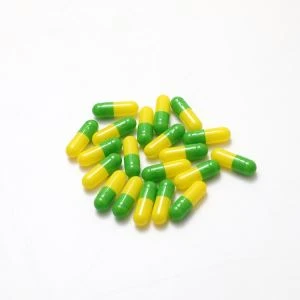


Alternative to Gelatin Capsules
Gelatin is the typical material used to encapsulate supplements. This is made from collagen from fish, swine, or bovine. This is broadly used in the health market because of its affordability.
But because gelatin capsules are made from animal by-products, some consumers with dietary restrictions due to health, religion, and preference might not be comfortable with taking it. Fortunately, with the help of technology, another option is available to consumers-vegetable capsules.
Vegetable capsules are a good alternative to gelatin capsules because they’re similar in appearance. Both are easier to swallow than tablets, are odorless, and are tasteless. The benefit is that they’re made from plant-based ingredients instead of animal byproducts, so people who have problems taking the latter can benefit from the healthy ingredients of the supplement.
Made of Plant-Based Ingredients
If you’re wondering if vegetable capsules are safe to take, it’s beneficial to understand what they’re made of. To ensure your health safety, this type of capsule is manufactured from plant-based ingredients.
To help you understand better, vegetable capsules are made of cellulose that is extracted from plants. There are different types of vegetable cellulose used for this type of capsule. One of the most popular ones is called hypromellose-which is often taken from softwood trees such as fir, pine, or spruce.
Other than that, some vegetable capsules are also made of tapioca, which is a vegetable starch that comes from cassava roots. It’s clear and sticky when compared to other types of capsules.
Fast Acting and Easy to Digest
Unlike tablets, which are typically bulky and more likely to cause irritation, capsules tend to go down quickly. It dissolves well when exposed to human body temperature, which means that the healthy contents can take effect faster.
Compared to gelatin capsules, vegetable ones dissolve faster because of the increased bioavailability and rate of absorption. For most supplements made with this capsule, it only takes half an hour for the capsule to dissolve, so that your body can start absorbing the nutrients inside it.
In addition to that, only vegetable capsules are suitable for both powdered and gel supplements.
Easy to Store
Before buying a supplement, read the label on how to store it properly. Some products are not suitable in humid and bright places. To keep the vitamins in the best condition, follow the instructions.
Fortunately, vegetable capsules have a low moisture content compared to gelatin ones, which makes them more stable even when in humid conditions. Other than that, this type of capsule is also not sensitive to light.
Because of these reasons, it’s easier to store vegetable capsules. As long as you don’t expose them to extreme environments, they will last long in most places inside your home.
Suitable for a Wide Range of People
If you can’t take gelatin capsules for any reason, vegetable ones might be the better choice for you. Because they’re made from plant-based ingredients, they’re suitable for a wide variety of diets and may be taken by vegans and vegetarians. Other than that, it’s accepted in most cultures and religions. The capsules are typically Halal-certified too.
Vegetable capsules are also safe to take because they’e natural and non-toxic. There are no negative side effects because the capsule is made from vegetables. This makes it suitable for long-term consumption.
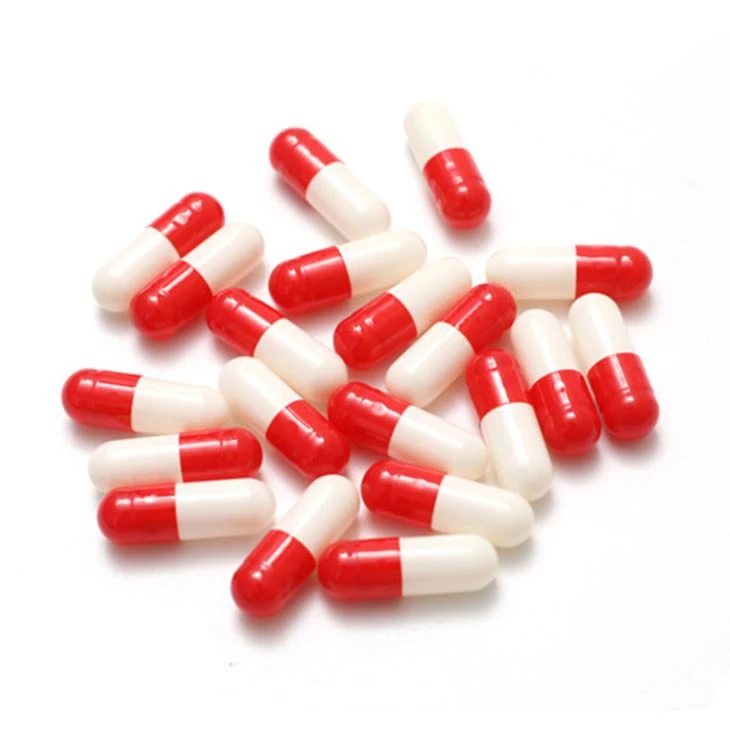
The HPMC Vegetable capsules perform as an elegant drug enclosure system. They serve as a substitute for tablets and powders when taking medicines, vitamins, or herbs by mouth. They help mask the poor taste and smell of drugs and give you the power to make supplements according to your needs. Specifically, vegetarian capsules function as plant-based alternatives to gelatin shells. That allows vegetarians and vegans to take their medications or nutritional supplements as capsules without worrying about dietary restrictions.
Ease-of-use: These capsules are tasteless, odorless, and very easy to swallow compared to tablets. They are also available in different sizes and colors, which makes them more palatable, especially for children.
Easy Digestion and Fast-acting: Once taken, because of their vegetable origin, veggie capsules break down in less than 20 minutes. Your nutrients are quickly absorbed and become bioavailable in no time. That enhances their therapeutic effects.
Needs Optimized: Whether you want your capsule home-made, free of inorganic chemicals, or come with natural color or fortified with beneficial nutrients such as chlorophyll, you have a range of choices with empty veggie capsules.
Advantages of Vegetable Capsules
Vegan/Vegetarian Friendly
Many fitness and bodybuilding enthusiasts follow a vegan or vegetarian diet. Gym supplement companies may cater to this rising market and ensure that their products are available to a wider number of consumers by employing veggie capsules in supplement formulations.
Tasteless and Odor Free
Supplements usually have a strong or terrible flavor and odor that customers find uncomfortable. Gym supplement companies like ours can ensure that the flavor of the supplement is not affected by using veggie capsules, which can improve the overall user experience.
Higher Stability
Gym supplement businesses that employ veggie capsules can profit from the capsules’ greater stability. Because simply vegetable capsules are less likely to react with supplement ingredients, which helps to retain the product’s effectiveness and efficacy over time.
Chemical-Free
Gym supplement companies who use veggie capsules may ensure to their clients that their products are free of potentially dangerous chemicals and allergies found in gelatin capsules. This is especially crucial for consumers looking for natural, clean-label items.
Environment Awareness
As more people become aware of the environmental impact of the products they use, the demand for eco-friendly products is increasing. Gym supplement companies can demonstrate their commitment to sustainability and appeal to ecologically awareness by employing vegetable capsules in supplement formulas.
Vegetable capsules are a great way to take your vitamins and minerals. They are made from plant cellulose and are a vegetarian alternative to gelatin capsules. They are also gluten-free. Vegetable capsules are easy to swallow and are digested more easily than gelatin capsules.
If you have trouble swallowing pills, vegetable capsules may be a good option for you. They are also a good choice if you are looking for a vegetarian or vegan option.
Vegetable capsules are a great way to get your daily dose of vitamins and minerals. They are easy to take and are digested more easily than gelatin capsules. If you are looking for a vegetarian or vegan option, vegetable capsules are a good choice.
There are many benefits to taking vegetable capsules as opposed to other types of capsules. For one, they are easier on the stomach and intestines. They also allow for better absorption of the nutrients in the supplement. Additionally, vegetable capsules are made from all-natural ingredients, which means that there is no need to worry about any artificial chemicals or colors. Finally, vegetable capsules are more environmentally friendly than other types of capsules because they are made from renewable resources.
Applications of Vegan Capsules
Dietary Supplements
Empty vegan capsules find wide application in the health and wellness industry to encapsulate vitamins, minerals, herbal extracts, and other dietary supplements. They provide a convenient and reliable method for delivering these substances to the body, ensuring accurate dosing and ease of consumption.
Herbal Medicine
Traditional herbal medicine often involves the use of various plant extracts and powders. Empty vegetarian capsules provide a safe and efficient way to administer these herbal remedies, preserving their potency and allowing for controlled dosage.
Nutraceuticals
With the growing interest in functional foods and nutraceuticals, empty vegetarian capsules have become an integral part of encapsulating bioactive compounds like probiotics, enzymes, and antioxidants. They help protect these delicate ingredients from degradation and offer targeted delivery to the intended site in the body.
Personalized Medicine
The ability to customize the dosage of medication is crucial in personalized medicine. Empty vegetarian capsules offer a flexible solution for compounding pharmacies and healthcare professionals to create tailored formulations for patients with specific needs or dosage requirements.
Vegan, Vegetarian and Gelatin Capsules: Which Material to Choose?


Gelatin Capsules
Gelatin has been used as a medication for many years and is the most common material used in capsule production. Gelatin itself has known health benefits when digested – it is good for the digestive system, protects joints and helps to reduce joint pain, it is believed to assist in improving sleep, lifting moods and some studies suggest it improves cognitive functions. This is why most supplement manufacturers still use gelatin capsules as their main choice when developing new products.
Skin, Bones and Connective Animal Tissues
Gelatin is a translucent, brittle solid substance that is colorless or slightly yellow, nearly tasteless and odorless. It is a mixture of peptides and proteins created by partial hydrolysis of collagen extracted from the skin, bones, and connective tissues of animals. Beef, chicken, and pork are commonly used. Blends of bone and pork skin gelatins are normally used to produce hard capsules. The bones produce a tough, hazy but brittle gelatin film, whereas skin produces a clearer material with greater plasticity.
3 Stages of Gelatin Production
Pretreatment: The first stage involves washing the raw material with dilute acid to remove calcium and treatment with hot or boiling water to remove fats.
Extraction: Extraction of the collagen is achieved using either acid or alkali, depending on the nature of the raw material, and is performed in a series of steps.
Refining: The final stage of refining may include several steps such as filtration, evaporation, drying, grinding, and sifting.
Gelatin has been used in medicines for many years and a wide range of both hard and soft gelatin capsules are available commercially, differing in features such as colour, size and flavour. Hard gelatine capsules are ideal for encasing solid powdered drug formulations or nutraceuticals. They are not suitable for aqueous liquids or slurries as water can infiltrate and degrade the gelatine shell. This has to be borne in mind when choosing the type of capsule material. For aqueous materials, polymer-based capsule materials are to be preferred.
Vegetarian Alternatives
There are now 2 main types of Vegan and Vegetarian capsules on the market. The first is HPMC which is made from cellulose. The second is Pullulan which is an extract of tapioca roots. More and more HPMC capsules and Pullulan capsules are becoming increasingly popular. This is for a variety of reasons.
Religious, Cultural and Personal Reasons: The consumption of gelatin from particular animals may be forbidden by religious or cultural customs. For example, Jewish kosher and Islamic halal practices require gelatin from sources other than pigs, such as cattle or fish. Vegans and vegetarians choose not to eat foods containing gelatin made from animals, and an option for such people is to substitute the animal gelatin with material made obtained by extracting collagen from fish bones.
Non-Toxic Cellulose: An alternative to both animal and fish gelatin is that of cellulose. This material is of natural plant origin and has no known potential health hazards, even when taken for long periods. It is non-toxic. Research into synthetic collagen began in 2011, and partial success has been achieved in replicating collagen's organic structure using self-assembling peptides. There are other materials that are widely used as alternatives to gelatin in cooking. Examples include the seaweed extracts agar and carrageenan, in addition to pectin and konjac. Such materials may, however, not be suitable for forming into capsules.
Compromising on health benefits? Vegetarian and vegan capsules are, now available commercially in a range of sizes and shapes, and should be considered when choosing for filling capsules. It must be remembered, however, that vegetarian substitutes for do not possess the medical benefits commonly attributed to animal gelatin, such as help with joint issues.
Similarities between Vegetable and Gelatin Capsules
There are clear differences between gelatin and vegetable capsules in terms of how they are made. However, there are still some similarities between these two types of capsules. You may also consider both types of capsules in comparison to tablets. Many people prefer capsules over tablets because they are easy to swallow. Capsules keep for a significant amount of time without going bad. Both gelatin and vegetarian capsules store easily for long periods of time. In addition, both of these capsules are odorless and even tasteless. There is no need to worry about medication or supplements with an unpleasant taste or smell. Finally, both vegetable and gelatin capsules dissolve easily in the digestive system. They are much easier to swallow than tablets.
Vegetable capsule manufacturing involves a meticulous process to ensure the preservation of the nutritional value of these natural ingredients. The process typically includes the following steps.
Sourcing the Best Produce
Contract capsule manufacturers partner with reputable suppliers to obtain high-quality fruits and vegetables. These sources are carefully selected to guarantee freshness and potency.
Cleaning and Preparation
The raw fruits and vegetables undergo thorough cleaning and preparation to remove any impurities. This step is crucial in maintaining the purity of the final product.
Extraction and Concentration
The active compounds are extracted from the fruits and vegetables, often through methods like freeze-drying or low-temperature processing. This helps retain their nutritional value.
Encapsulation
The concentrated extracts are encapsulated, usually in the form of soft gels or hard capsules. These capsules preserve the freshness and prevent oxidation of the ingredients.
Quality Control
Rigorous quality control measures are put in place at every stage of manufacturing to ensure that the final product meets the highest standards of purity and potency. The company has dedicated QA/QC personnel to ensure each stage of the entire capsule manufacturing process is double/cross verified by another qualified personnel. We measure our quality by the result of testing products through third-party ISO 17025 accredited lab and in-house validated methods.
Which Type of Machines Do You Use in Making Vegetable Capsules?
Well, you will use different types of machine depending on the type of veggie you intend to make. Here are the main types of machines that you can make using the veggie capsules.
- Veggie encapsulation machine
- Heating and mixing tank
- Drying tray and tunnels
- Veggie capsule sorting machine
- Veggie capsule printing machine
- Tamping pin or dosator veggie capsule filling machine
Our Certificates
We always feel that all success of our company is directly related to the quality of the products we offer. They meet the highest quality requirements as stipulated in ISO9001, USFDA, HALAL and our stringent quality control system.


Automatic Production Plant
The plant area is strictly planned and designed according to the GMP standard for pharmaceutical excipients.

Frequently Asked Questions
Q: Are vegetarian capsules safe?
Q: Are vegetable capsules healthy?
Q: What are the side effects of vegetable cellulose capsules?
Q: What are vegetarian pill capsules made of?
Q: What are the ingredients in vegetable cellulose capsules?
Q: Is vegetable cellulose safe in supplements?
Q: Are vegetable capsules plastic?
Q: Are veggie capsules enteric coated?
Q: Are vegetarian capsules hard to digest?
Q: Are vegetable or gelatin capsules better?
Q: What is the role of HPMC in capsules?
Q: What is HPMC vegetable capsules?
Q: Are HPMC capsules good or bad?
Q: What are the side effects of HPMC capsules?
Q: Is HPMC safe for humans?
Q: Is it safe to take cellulose capsules?
Q: What are the advantages of HPMC capsules vs gelatin capsules?
Q: What is the difference between gelatin and HPMC capsules?
Q: What is the shelf life of HPMC capsules?
Q: What is the difference between tablets and vegetarian capsules?
We're known as one of the most professional vegetable capsules manufacturers and suppliers in China, specialized in providing the best custom service with competitive price. Welcome to wholesale high quality vegetable capsules for sale here from our factory.


