

Zhejiang Tianlong Capsule Co., Ltd. is a professional manufacturer of hollow capsules. We mainly produce 00#, 00#B, 0#el, 0#, 1#, 2#, 3#, 4# and other specifications of gelatin hollow capsules and plant capsules. At present, the company has two capsule production plants and installed 46 hollow capsule production lines,the current annual production capacity has reached 26 billion capsule.
Raw Materials
We offer a vertically integrated supply chain model to ensure reliable long-term supply, complete traceability, and superior quality of raw materials. Our raw materials pass through strict quality control assessments before going to the manufacturing stage.
Complete Qualifications
Our plant area is strictly planned and designed according to the GMP standard for pharmaceutical excipients. We have passed ISO9001, USFDA, HALAL quality management system certification and is registered with the FDA in the United States.
OEM & ODM Service
We can provide hundreds of colors for customers to choose, but also in accordance with the customer's color card number and sample custom production.
Quality Guaranteed
Advanced automated equipment and facilities, strict indoor cleanliness procedures and perfect quality real-time monitoring, as well as high-quality raw materials to ensure that customers can provide quality products at any time.
-
![Vacant Hard Capsule]() Vacant Hard Capsule
Vacant Hard CapsuleThe Best Vacant Hard Capsule Manufacture! Zhejiang Tianlong Capsule Co., Ltd. is a professional manufacturer of hollow capsules. We mainly produce 00#, 00#B, 0#el, 0#, 1#, 2#, 3#, 4# and other
-
![HPMC Vegetarian Capsule]() HPMC Vegetarian Capsule
HPMC Vegetarian CapsuleHPMC stands for hydroxypropyl methylcellulose or hypromellose for short. HPMC is the material from which most supplement capsules are made.
-
![Capsule Shell]() Capsule Shell
Capsule ShellA capsule shell is an outer skin in which a medicinal substance is contained. The capsule shell acts as a container for the medicine and protects it. These capsule shells contain gelatin and should
-
![Vegan Gelatin Capsule]() Vegan Gelatin Capsule
Vegan Gelatin CapsuleVegan Gelatin Capsule have been used for almost 200 years in the pharmaceutical industry. They are an easy and effective delivery system for holding active pharmaceutical fills intended for oral use.
-
![Cellulose Capsule]() Cellulose Capsule
Cellulose CapsuleWhat Is Cellulose Capsule Cellulose capsules, also known as vegetarian capsules or vegetable capsules, are a type of capsule shell commonly used in the pharmaceutical and health product industries.
-
![Capsule Shell]() Capsule Shell
Capsule ShellCapsule shells play a pivotal role in the medicine and pharmaceutical industries, offering a multitude of advantages such as enhanced bioavailability, reliability, and safety.
-
![Empty Veggie Capsule]() Empty Veggie Capsule
Empty Veggie CapsuleYour Professional Gelatin Capsule Manufacturer in China Zhejiang Tianlong Capsule Co., Ltd. is a professional manufacturer of hollow capsules. We mainly produce 00#, 00#B, 0#el, 0#, 1#, 2#, 3#, 4#
-
![Empty HPMC Capsule]() Empty HPMC Capsule
Empty HPMC Capsule● Low water content, suitable for water sensitive components.. ● No risk of cross-linking reaction.. ● The structure of elastic polymer ensures the stability of the capsule and the high filling rate..
-
![Hydroxypropyl Methylcellulose Capsule]() Hydroxypropyl Methylcellulose Capsule
Hydroxypropyl Methylcellulose CapsuleCustom pharmaceutical grade drug in Halal natural plants cellulose print colored empty hard vegetable HPMC capsules
-
![HPMC Vegetarian Capsule]() HPMC Vegetarian Capsule
HPMC Vegetarian CapsuleOur high quality, high performance HPMC(hydroxypropyl-methyl-cellulose) capsules meet a wide range of lifestyle, cultural and dietary needs, and are also well suited to moisture-sensitive
-
![Empty Veggie Capsule]() Empty Veggie Capsule
Empty Veggie CapsuleZhejiang Tianlong Capsule Co., Ltd. was founded in 1987 and is a professional manufacturer of hollow capsules. At present, the company has two capsule production plants and 46 hollow capsule
-
![Vegetarian Capsule]() Vegetarian Capsule
Vegetarian Capsule● Low water content, suitable for water sensitive components.. ● No risk of cross-linking reaction.. ● The structure of elastic polymer ensures the stability of the capsule and the high filling rate..


What is HPMC Capsule?


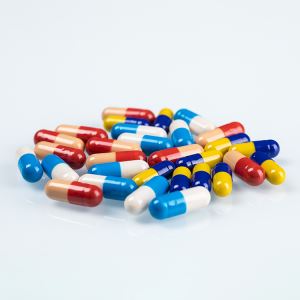
HPMC stands for hydroxypropyl methylcellulose or hypromellose for short. HPMC is the material from which most supplement capsules are made. It is a clear, tasteless, vegetarian and vegan appropriate material. It is normally made by extraction from wood pulp.
Hydroxypropyl Methylcellulose is globally known as “Hypromellose” and manufactured by chemically made polymer cellulose. It is a physically stable polymer that’s resistant to stringent heat and humidity conditions, with a low moisture content that makes it suitable for moisture-sensitive ingredients. The role of the HPMC capsule is to protect its contents from degradation or product changes, which means insulating against temperature fluctuations or moisture exposure, the stability of the capsule material is a critical factor in product development.
HPMC is also being adopted as a film coating or a sustained-release tablet material in the pharmaceutical field. HPMC capsules have been developed for both pharmaceutical products and dietary supplements to not only withstand temperature excursions but also to meet dietary requirements.
HPMC capsules incorporate a gelling agent to achieve enteric properties, allowing for the protection of sensitive ingredients from the acidic environment of the stomach and complete dissolution in the intestine. They also provide sufficient taste-masking and acid-resistance to prevent gastric reflux for fish oils and have become the solution of choice for numerous probiotics, herbal or mineral formulations on the market today.
HPMC-based capsules can also play a role in addressing poor bioavailability. These capsules can interact with poorly soluble APIs, leading to a lower crystallisation rate in the GI tract, which can be important in situations when there are supersaturated APIs in the intestine or when dosing either a high-energy salt form or a weakly basic API.
HPMC Capsules Benefits and Considerations
Easy to Swallow
HPMC capsules are smooth and slippery, making them easy to swallow. They also have a lower risk of sticking in the throat or mouth than some other types of capsules. This feature is especially useful for individuals who have difficulty swallowing pills or capsules.
Non-Toxic and Safe
HPMC capsules are non-toxic and safe to use. The HPMC polymer used to make these capsules is biocompatible, which means it does not cause any adverse effects when it comes in contact with the human body. HPMC capsules are free from preservatives, allergens, and gluten, making them a safe choice for individuals with allergies or dietary restrictions.
Stable and Resistant to Moisture
HPMC capsules are stable and resistant to moisture, which makes them an ideal choice for encapsulating moisture-sensitive ingredients. HPMC capsules have a low moisture content, which reduces the risk of ingredient degradation or spoilage. This feature ensures that the ingredients remain potent and effective over a more extended period, maintaining the desired product quality.
Customizable
HPMC capsules can be customized to meet specific product requirements. The capsules come in various sizes, colors, and designs, enabling manufacturers to tailor the capsules to the specific needs of their products. Additionally, the capsules can be printed with logos or brand names, enhancing the product's appearance and increasing brand awareness.
Flexible and Versatile
HPMC capsules are flexible and versatile, making them ideal for encapsulating both solids and liquids. The capsules can be used to encapsulate a wide range of ingredients, including vitamins, minerals, herbs, and pharmaceuticals. HPMC capsules are also suitable for encapsulating sensitive ingredients that may react with other encapsulation materials.
Environmentally Friendly
HPMC capsules are environmentally friendly as they are made from renewable plant-based materials. They are also biodegradable, which means they can be broken down naturally without causing any harm to the environment. HPMC capsules provide an eco-friendly alternative to traditional gelatin capsules, which are derived from animal products and are not biodegradable.

Safety
HPMC capsule is derived from non-transgenic plants and does not contain proteins and amino acids by itself, so its residual harmful substances are much lower than animal gelatin capsules. The special production process makes the chloroethanol hardly remain in the capsule and is therefore safer. In addition, it can also avoid cross-contagion of some pathogens, such as the spread of mad cow disease.
Stability
HPMC capsules have a water content of between 5% and 7% and are suitable for filling various types of contents. The cellulose capsule has a stable molecular structure, which is highly inert, and is not easily crosslinked with an aldehyde-containing drug.
Applicability
Due to the stable molecular structure of the plant empty capsule, the requirements for transportation, storage, environment, etc. are lower than those of gelatin capsules. And it is from plant, which not only has no side effects on the human body, but also provides new choices for vegetarians and different religious believers, expanding the application of capsules.
Support Your “Clean Label” Claims
It’s hard to claim your product is “clean” if you’re using capsules made with synthetic colorants. The colorants used in these capsules are derived from natural substances, and the process of producing these colorants does not involve the use of harmful or polluting chemicals.
Safe
The pigments derived from natural sources used to color capsules are non-toxic, non-carcinogenic.
Come in a Wide Range of Colors
The most popular options include yellow, purple, green, blue and black. If you’re not sure which color to choose, be sure to ask your capsule manufacturer to prepare “film strips” for your review. These are color samples made from the actual HPMC material used to manufacture the capsules. Film strips enable you to see what your desired color looks like and let you test its masking abilities.
Provide “Normal” Functionality
HPMC capsules made with natural colorants give you the same performance on your filling machines as their synthetically colored counterparts.

The HPMC capsules are made up of the following ingredients.
Hydroxypropyl-methylcellulose (HPMC)
HPMC is the main ingredient used in the manufacturing process originated from the wood pulp of softwood trees such as Pine and Spruce. HPMC is associated with the group of cellulose ethers where the hydroxy group is substituted at one or more hydroxyl groups in the cellulose ring. HPMC is a solid presence in off-white colors, it forms colloids when incorporated in water. HPMC is non-toxic and prone to combustions and oxidation. HPMC is a biocompatible polymer with a diverse range of applications in therapeutic drug delivery systems, paints, cosmetics, coating, etc.
Plasticizers
Plasticizers are used to reduce rigidity in capsules shell, induce flexibility and make it extra pliable such as sorbitol and glycerine. The ratio of plasticizers in hard gelatin capsules is approximately lower than HPMC capsules (0.4:1).
Water
Purified water is added depending upon storage conditions and manufacturing requirements.
Opacifiers
Opacifiers are used in the capsules manufacturing process in order to get an opaque system, for instance, titanium dioxide (TiO2). Opacifiers are extensively used in making paint, glass, plastic, and pharmaceutical dosage formulations such as capsules. Another important property of using an opacifier is to conceal and protect the filling content used in the capsule shell against biodegradation as well as photodegradation.
Colorants
Colorants are used to impart various colors to capsules. The addition of colorant may improve patient compliance and lowers the risk of errors during dispensing and administering a drug. For instance, dies, lakes, minerals, pigments, or mica.
What Do HPMC Veggie Capsules Do?
The HPMC Vegetable capsules perform as an elegant drug enclosure system. They serve as a substitute for tablets and powders when taking medicines, vitamins, or herbs by mouth. They help mask the poor taste and smell of drugs and give you the power to make supplements according to your needs. Specifically, vegetarian capsules function as plant-based alternatives to gelatin shells. That allows vegetarians and vegans to take their medications or nutritional supplements as capsules without worrying about dietary restrictions. Even if you are not vegetarian, other benefits that you could get from veggie shells include the following:
Ease-of-use
These capsules are tasteless, odorless, and very easy to swallow compared to tablets. They are also available in different sizes and colors, which makes them more palatable, especially for children.
Easy Digestion and Fast-acting
Once taken, because of their vegetable origin, veggie capsules break down in less than 20 minutes. Your nutrients are quickly absorbed and become bioavailable in no time. That enhances their therapeutic effects.
Needs Optimized
Whether you want your capsule home-made, free of inorganic chemicals, or come with natural color or fortified with beneficial nutrients such as chlorophyll, you have a range of choices with empty veggie capsules.
Why Use HPMC as Capsule Shell Material?
HPMC as the New Standard Capsule Polymer
Hypromellose-based capsules meet the market trend towards non-animal-derived alternatives to traditional gelatin capsules. The ability to withstand temperature excursions and meet religious and dietary requirements make HPMC the preferred choice for new pharmaceutical product development. The introduction of HPMC capsules manufactured by thermogelation provides a means of eliminating gelling agents, a cause of variable in vitro dissolution. This advancement gives HPMC capsules pH-independent disintegration and has been shown in a specific human PK study to provide bioequivalence comparable with gelatin capsules.
Full Enteric Protection for Pharmaceutical Applications
Enteric capsule technologies that comply with EP, USP and JP requirements for enteric/delayed release dosage forms provide the first viable alternatives to functional coating. These intrinsically enteric capsule technologies incorporate approved HPMC-based enteric polymers into the capsule shell. This integrated enteric functionality built into the dosage form enables the rapid development of prototypes for formulation screening and in vivo evaluation, eliminating the need for functional coating process development, scale-up and validation. The choice of the most appropriate intrinsically enteric capsule technology is driven primarily by the molecule’s characteristics, including the level of acid and heat sensitivity. One technology is specifically designed for very acid-labile and heat-sensitive applications, including biomolecules such as peptides, nucleotides, vaccines and live biotherapeutic products.
Enhancing Bioavailability
HPMC-based capsules can also play a role in addressing poor bioavailability. These capsules can interact with poorly soluble APIs, leading to a lower crystallisation rate in the GI tract, which can be important in situations when there are supersaturated APIs in the intestine or when dosing either a high-energy salt form or a weakly basic API. In such cases, the degree to which HPMC capsules can affect in vivo performance by helping to maintain supersaturation- by inhibiting crystallisation-depends on the specific application.
Acid-resistant Capsules for Health and Nutritional Supplements
These HPMC capsules incorporate a gelling agent to achieve enteric properties, allowing for the protection of sensitive ingredients from the acidic environment of the stomach and complete dissolution in the intestine. They also provide sufficient taste-masking and acid-resistance to prevent gastric reflux for applications such as fish oils, and have become the solution of choice for numerous probiotics, herbal or mineral formulations on the market today.
What Factors Should You Consider When Choosing an HPMC Capsule Size?


Determining the minimum size capsule needed to hold your formulation is just the starting point. After that, whether you’re encapsulating liquids or powders, you should also consider the following when selecting an HPMC capsule size for your product.
Swallowability
Once you know how big a capsule is needed you must consider if a capsule of this size would be difficult for the intended consumer to ingest. If the capsule size is likely to be difficult to swallow, it may be best to spread the dose over multiple smaller pills.
For example, most adults can easily swallow a size 0 capsule. Children and the elderly, however, often struggle to swallow a capsule this large.
Appearance
Sometimes there are reasons why you want to go to market with a larger capsule size than what your formulation calls for. In this case, you can use a colored capsule to hide the contents, so that consumers won’t think that they are not getting a full dose because their capsule is not completely full. Other times you may feel that smaller capsules will provide enhanced visual appeal. In this situation you may need to split your dose into two capsules.
Compliance
For greatest compliance you will generally want to market your supplement in the smallest capsule size possible with the fewest number of capsules per serving. To make this happen you may need to look closely at the formulation’s inactive ingredients. Can you reduce the volume of “filler” without compromising how well the product will run on your filling machines?
How to Store HPMC Capsules?
Discussed below are storage conditions that must be followed during packaging, transportation, and storage. Hence by following these measures you can get HPMC capsules in a good condition up to five years from the date of manufacturing.
Packaging
HPMC capsules should be packed in food-grade anti-static plastic bags. Plastic bags should be kept in corrugated boxes. The corrugated boxes should be sealed packed using BOPP tape from top to bottom of the box. These boxes should be labeled properly with the following mentioned information about, batch number, batch size, colors, box number, etc.
Transportation
The transportation of HPMC capsules should be carried out under a temperature-controlled environment. The dedicated vehicle must have a data logger sheet to ensure the transportation in the vehicle is maintained.
Warehousing
When HPMC capsules are not in use, they are stored in unopened condition. The recommended temperature and relative humidity must be between 20 to 35°C with relative humidity between 40 to 65%.
Furthermore, do not store capsules direct in sunlight, nearby hot water, or hot steam pipes. Boxes must be placed on pallets of the ground.
Caution
For any reason, if the capsules bag is opened then must be closed in such a manner that can be impermeable to the access of humidity, heat, or light.
Our Certificates
We always feel that all success of our company is directly related to the quality of the products we offer. They meet the highest quality requirements as stipulated in ISO9001, USFDA, HALAL and our stringent quality control system.


Automatic Production Plant
The plant area is strictly planned and designed according to the GMP standard for pharmaceutical excipients.

Frequently Asked Questions
Q: What is the role of HPMC in capsules?
Q: What are the benefits of HPMC?
Q: What does HPMC do?
Q: What is the use of hydroxypropyl cellulose in capsules?
Q: What are the side effects of HPMC capsules?
Q: How long do HPMC capsules take to dissolve?
Q: Are HPMC capsules good or bad?
Q: What are the advantages of HPMC capsules vs gelatin capsules?
Q: Do HPMC capsules dissolve in water?
Q: Is it safe to take cellulose capsules?
Q: Is hydroxypropyl cellulose safe in supplements?
Q: Is HPMC safe for humans?
Q: What is the difference between cellulose and HPMC?
Q: What is the difference between hard gelatin capsules and HPMC capsules?
Q: What is the shelf life of HPMC capsules?
Q: What is the alternative to HPMC?
Q: Are HPMC capsules acid resistant?
Q: What is the origin of HPMC capsules?
Q: Are HPMC capsules enteric?
Q: Is HPMC synthetic or natural?
We're known as one of the most professional hpmc capsule manufacturers and suppliers in China, specialized in providing the best custom service with competitive price. Welcome to wholesale high quality hpmc capsule for sale here from our factory.
HPMC capsule in botanical extracts, HPMC capsule in cosmetics, HPMC capsule label


