

Zhejiang Tianlong Capsule Co., Ltd. is a professional manufacturer of hollow capsules. We mainly produce 00#, 00#B, 0#el, 0#, 1#, 2#, 3#, 4# and other specifications of gelatin hollow capsules and plant capsules. At present, the company has two capsule production plants and installed 46 hollow capsule production lines,the current annual production capacity has reached 26 billion capsule.
Raw Materials
We offer a vertically integrated supply chain model to ensure reliable long-term supply, complete traceability, and superior quality of raw materials. Our raw materials pass through strict quality control assessments before going to the manufacturing stage.
Complete Qualifications
Our plant area is strictly planned and designed according to the GMP standard for pharmaceutical excipients. We have passed ISO9001, USFDA, HALAL quality management system certification and is registered with the FDA in the United States.
OEM & ODM Service
We can provide hundreds of colors for customers to choose, but also in accordance with the customer's color card number and sample custom production.
Quality Guaranteed
Advanced automated equipment and facilities, strict indoor cleanliness procedures and perfect quality real-time monitoring, as well as high-quality raw materials to ensure that customers can provide quality products at any time.
-
![Empty pill capsule]() Empty pill capsule
Empty pill capsule● We use high-quality raw materials, raw material suppliers are international and domestic first-class manufacturers.. ● Features of three-lane capsules: not easy to leak powder in the processes of
-
![Empty Gelatin Capsule]() Empty Gelatin Capsule
Empty Gelatin CapsuleMain ingredients: Gelatin (collagen in animal skin, bone and white connective tissue, processed by royalty and primary hydrolysis).. Description: Cylindrical, hard, elastic empty capsules, which have
-
![Empty Hard Gelatin Capsule]() Empty Hard Gelatin Capsule
Empty Hard Gelatin CapsuleWe use high-quality raw materials, raw material suppliers are international and domestic first-class manufacturers that are free from Bovine Spongiform Encephalopathy (BSE) and Transmitting Animal
-
![Empty Capsule]() Empty Capsule
Empty CapsuleMaterials/ gelatin, our company only uses bovine bone gelatin.. Function/ rapid dissolution, can quickly disintegrate in the stomach, is conducive to the rapid release of the contents..
-
![Clear Gelatin Capsule]() Clear Gelatin Capsule
Clear Gelatin Capsule● We use high-quality raw materials, raw material suppliers are international and domestic first-class manufacturers.. ● Features of three-lane capsules: not easy to leak powder in the processes of
-
![Hard Gelatin Capsule]() Hard Gelatin Capsule
Hard Gelatin CapsuleMain ingredients: Gelatin (collagen in animal skin, bone and white connective tissue, processed by royalty and primary hydrolysis).. Description:Cylindrical, hard, elastic empty capsules, which have
-
![Empty Gel Capsule]() Empty Gel Capsule
Empty Gel CapsuleCulture is the lifeblood of sustainable development of enterprises. Tianlong always emphasis on corporate culture, instill the corporate values and operation philosophy into staffs in order to create
-
![Medicine Capsule]() Medicine Capsule
Medicine CapsuleEmpty capsules by medical gelatin caps with auxiliary materials refined but become, body two capsule shells. It is mainly used for holding solid drugs. Such as homemade powder, health care products,
-
![Size 0 Hard Gelatin Capsule]() Size 0 Hard Gelatin Capsule
Size 0 Hard Gelatin CapsuleHard gelatin capsules or two-piece capsules, are solid dosage forms in which one or more medicinal agents and/or inert materials are enclosed within a hard capsule shell, composed of gelatin.Other
-
![Hard Gelatin Capsule]() Hard Gelatin Capsule
Hard Gelatin CapsuleEmpty capsules are cylindrical and consist of a cap and body that fit and lock together, forming a hard yet elastic empty shell, widely used in the preparation of capsule formulations in the
-
![Empty Pill Capsule]() Empty Pill Capsule
Empty Pill CapsulePharmaceutical empty capsules are used for packaging powders, pellets, or tabletted mixtures containing active ingredients that elicit desired therapeutic effects upon administration.
-
![Empty Hard Capsule]() Empty Hard Capsule
Empty Hard CapsuleHard gelatin capsules are less plasticized than soft gelatin capsules, which is the main distinction between the two. Furthermore, hard gelatin capsules' cap and body are two separate components.


What Is Gelatin Capsule?
Gelatin capsules, also known as gel caps or gelcaps, are an easy and effective delivery system for holding active pharmaceutical fills intended for oral use. They are made from gelatin, a protein derived from animal hides. Gelatin capsules have been used for almost 200 years in the pharmaceutical industry. Capsules provide an alternative to tablets, granules, and powders as oral dosage forms. They help increase the acceptance and ease of use of medications and work with a wide range of pharmaceutical ingredients, including liquids and solids. Gelatin is a pure, non-reactive, safe, and non-GMO material that allows for diverse applications.
One of the benefits of taking in gelatin capsules is that it is made of natural food source. In previous years, these capsules are made from beef bones and purified water. Nowadays, thanks to technological advancements, one can also purchase vegetarian gelatin capsules. This is ideal for people with religious or dietary restrictions and cannot consume animal byproducts or have food sensitivities.
To start with, the process of creating the gelatin capsules, raw materials undergo quality testing to ensure that they are safe to use. The raw materials are placed in a petri dish and then in a specialized oven where the temperature is adjusted to stimulate growth of organisms. If the raw materials develop any growth of bacteria, then they are not safe to use. Then these are placed into a spectrometer, which burns the gelatin. The gas substance is then analyzed for any impurities. If there are no bacterial growths or impurities found, then the raw material is safe to use.
Once the gelatin passes the quality testing, it is then blended and subjected to a heating process where the gelatin will be set in. Heating temperature is set at 80C whereas the holding tanks will keep the gelatin temperature at 60C.
During the filling process, capsule shaped pens are dipped in the gelatin solution. It is then lifted off to where cool air blows over the pen to spread the solution uniformly. It will stay in the pen until the solution dries.
Once the solution dries, the caps are then removed from the pin. Using a special lever, the capsules are removed from the pins and then set on collets or holding racks where they would undergo trimming to remove the excess gelatin. The excess pieces will be sucked into a vacuum where it will then be recycled.
Once trimmed, the lot will move to a sorter to determine if there are any defects in the capsules. The batch will also pass by an automatic machine, which checks the capsules for any holes, dents or pinches. Any defective pieces are thrown to the recycle bin. Finished products will then be packed and shipped anywhere in the world.
Ingredient of Gelatin Capsules
Most capsules are made of gelatin. Gelatin is widely used in many foods, such as puddings, sweets, preserves, chewing candies, icing, food fillings, and dips. In food, gelatin can help food solidify, thicken, stabilize, and ventilate. It is a very popular, nutritious and low-fat food ingredient. Gelatin itself is a water-soluble protein extracted from collagen, and collagen is the main natural protein component in connective tissue. Through a controlled extraction process, gelatin is obtained from animal skin and bones. There are many types of gelatin. The geletin capsules are made of pharmaceutical grade gelatin, which meets the strict requirements for pharmaceutical products. The procedure of capsule production is to first form a layer of gelatin film on a stainless steel mold. The gelatin film then dries and hardens to form a capsule, which is then removed from the mold. Generally, there are two sizes of molds, one is used to make the capsule body, and the other is larger in diameter to make the capsule cap.
What are the Benefits of Gelatin Capsules?


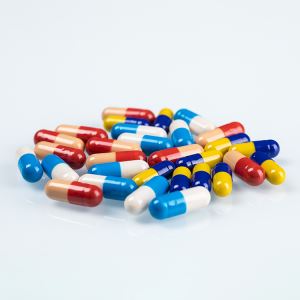
Easy Digestion
Gelatin capsules are easily digested and dissolve within minutes of reaching the stomach, according to physician Ray Sahelian, who has a website devoted to natural supplements. This ensures that the medicine or supplement won't pass through the digestive system without being absorbed.
Increased Bioavailability
Using soft gel capsules can increase the bioavailability of poorly absorbed or poorly soluble nutrients, according to the Natural Products Insider website. Through stabilizing, solubilizing or other techniques, manufacturers can enhance the effectiveness of nutrients such as coenzyme Q10, carotenoids and certain herbal extracts. Many of these methods are not possible with solid materials.
Hermetically Sealed
Unlike any other type of capsules, soft gelatin capsules are hermetically sealed and airtight, as noted by the Natural Products Insider website. This makes them tamper-evident, because any puncture on the surface would cause obvious damage. In addition, the sealed capsule protects the active ingredients from oxygen, a benefit especially important for substances that tend to become rancid, such as fish oil and flaxseed oil. If the capsule is opaque, it also protects the active ingredients from light, which deteriorates some substances.
Consuming the Capsule
Because they have a smooth texture, soft gelatin capsules are easier to swallow for some people than tablets, caplets and other capsules. They also hide the unpleasant taste and odors of substances such as fish oil, which can be disagreeable to take by the teaspoon.
Gelatin Safety
Gelatin is generally harmless and safe to consume, according to Sahelian. It is commonly derived from pork or beef and provides a tiny amount of protein and amino acids. However, if an individual is allergic to beef or pork, or does not want to ingest it, he can easily empty the contents of the capsule, which will not contain any gelatin, and pour it into water or juice.
Properties of Gelatin Capsules
Shell Composition and Characteristics
Gelatin capsules come in two standard varieties designated by their texture. The outer shell of gelatin capsules is either hard or soft. Soft gelatin capsules are more flexible and thicker than hard gelatin capsules. Regardless of rigidity, the capsules are made from water, gelatin and a plasticizers, a substance that ensures the capsule keeps it shape and texture. Soft gel capsules typically come in one solid piece while hard gel capsules are made of two pieces placed together.
Content Characteristics
Soft gel capsules contain liquid or oil-based medications, or medicines mixed or dissolved in oil, notes the book “Pharmaceutical Capsules.” Hard gelatin capsules generally contain dry or powdered substances. The manufacturing process for each type of gel capsule makes each type more suited to its contents.
Content Composition
Gel capsule contents can also be classified by certain characteristics. All medications are either hydrophilic or hydrophobic. Hydrophilic medications readily mix with water while hydrophobic medications don't. Medications in oil form or mixed with oil, like those typically found in soft gel caps, are hydrophobic. Powdered or solid medications, which are typically found in hard gel caps, tend to be hydrophilic. Additionally, the substance inside a soft gel capsule can be a suspension of large particles floating and not mixing in the oil, or a solution in which the ingredients are completely mixed.
Digestibility
Gelatin is a protein made from animal skin or bones. These proteins lend easy digestibility to the capsules. In certain cases, medication enclosed in gelatin capsules enters the system quicker than with other medication types. Vegan gelatin capsules are made from cellulose, a plant fiber, which is harder for the body to digest than animal fiber.
Airtight Seal
Gelatin capsules are airtight. This is particularly useful for liquid medications. If the same liquid medications were sold in an unencapsulated form, the contents might go bad before the consumer could use the entire contents of the bottle. The airtight seal created during the manufacture of gel caps prevents potentially harmful microorganisms from forming in the medication. Gelatin capsules offer single-serve doses of medications with a longer shelf life compared to their liquid counterparts.
Gelatin Capsule Materials
Main Component Gelatin
Protein made from animal products, used historically by the pharmaceutical industry, food preparations, and cosmetic industry.
Amino Acids in Gelatin
Amino acids are absorbed by the human body to form building blocks of proteins, so they're vital for several processes within the human body, such as synthesizing hormones and neurotransmitters.
Some Key Considerations of Hard and Soft Gelatin Capsules
Active Pharmaceutical Ingredient (API) / Dissolution
This is the rate at which the capsule dissolves in the stomach allowing the active ingredient to be absorbed by the body. Gelatin, for example, has one of the best - if not the best - API dissolution rates, enabling the API to be quickly available for absorption by the body. It’s one of the most important considerations for pharmaceutical manufacturers.
Usually the dissolution process occurs smoothly in the body. However, exposure to inappropriate heat or humidity conditions, or the presence of certain aldehydes, can cause capsule shells to cross-link. Because of its low humidity, HPMC is not subject to the problems of crosslinks. Gelatin used to be susceptible to this phenomenon but a new generation of gelatins have been developed to significantly decrease and slow down possible cross-linking issues.
Cost-efficiency
Compared to alternative excipients, gelatin is the most cost-efficient. The ingredients for first generation HPMC hard capsules cost around four times more than gelatin and HPMC capsules cost around three times more to manufacture. This of course has an impact on the costs charged to the healthcare systems, the consumers and the taxpayers.
Machinability
Gelatin has a high level of machinability, which means it can tolerate the mechanical process really well, and therefore no additional ingredients or machines are needed. HPMC has a lower level of machinability: first generation HPMC requires secondary gelling agents, while second generation HPMC doesn’t need gelling agents but does require machine adaptation.
Mechanical Resistance
Capsules have to be strong enough to cope with mechanical stress. Any weakness can lead to defects. When compared to HPMC, gelatin is by far the most resistant. When it comes to soft capsules, gelatin and modified starch are of equal strength.
Oxygen Permeability
Some APIs have complex profiles making them sensitive to oxidation. For these formulations, capsules are the best option as they offer the best protection. Because it has low oxygen permeability, gelatin is the best excipient when dealing with oxygen sensitive APIs. The alternative, HPMC, has a high potential for oxygen penetration which means other ingredients (such as antioxidants) have to be used, which increases the overall costs. So, wherever possible, manufacturers will always opt for gelatin capsules when oxygen sensitivity is a consideration.
Water Permeability
Another consideration is moisture penetration. Vapor can have different impacts depending on the capsule type. HPMC has a lower water content than gelatin. However it’s inconclusive as to whether HPMC actually performs better than gelatin in the area of water permeability.
Gelatin is a polydisperse polymer that has a unique set of functionalities and properties that make it suitable for a wide range of applications. The Main Properties of Gelatin:
Thermo-reversible
Gelling grade gelatin is thermoreversible, meaning it has a reversible melting and setting ability at a temperature between 25°C and 32°C (gelatin solution at 10%). The exact transition temperature depends on the type and concentration of gelatin used, making it a versatile material that can be used in different applications that require different melting temperatures.
Bloom (Gel-strength)
The bloom value of gelling grade gelatin determines the firmness of the gelled products. A hydrolyzed gelatin has no gel forming capability so it has a bloom value of 0.
Biocompatibility
As a natural protein, gelatin offer high biocompatibility and is well-tolerated by the human body.
Body Temperature Melting-point
Gelatin melts at body temperature making it perfect for pharma-medical applications that require metabolization.
Clean Label Friendly
The world is currently seeing a bigger demand for products made with safe materials from natural origin. There’s also a wider push to take patient safety to the next level. Gelatin satisfies those demands.
Natural Origin
Gelatin is a naturally occurring protein extracted from animal collagen.
Safe
Gelatin is considered non-allergenic (except in rare cases of meat allergy). It is also Generally Recognized As Safe (GRAS) by the FDA.
Quality Control
Gelatin is a stable and safe excipient with excellent physical and chemical properties. The pharmaceutical gelatin production process adheres to stringent national and international pharmaceutical processing requirements.
Is a Vegetarian Capsule Much Better than One Made of Gelatin?


Capsules are the preferred way for many people to take their medications or health supplements. Not only does a capsule have little or no taste, it dissolve quickly in the intestines and is easy for the drug or supplement manufacturer to fill. Compared with other ways of taking drugs, capsules are not affected by the formulation and thus do not impact on the effectiveness of the drug. When purchasing empty capsules, there is now a choice to be made between vegetarian or the more traditional gelatin capsule. As both types can be used, preference is often determined principally by the customer needs. Nevertheless, as a pharmaceutical or supplement manufacturer, understanding the materials and benefits of each type of capsule can help you decide the most appropriate one to buy for any given product.
Gelatine Capsules
Gelatin is the most common material used in capsule production as not only is it more affordable than the alternatives, but gelatine also has beneficial effects on the body when digested-it is good for the digestive system, protects joints and helps reduce joint pain, assists in improving sleep, lifts moods and improves cognitive functions. Gelatin has been used in medicines for many years and a wide range of gelatin capsules are available commercially, differing in features such as colour, size and flavour. Gelatin itself is an animal by-product that is high in collagen and is produced from the connective tissues of beef or chicken. This can be an issue for consumers who prefer not to eat products of animal origin or have dietary restrictions preventing them from consuming such products. Although the percentage of people who have restrictions with their preferences is not large, capsule makers should consider another one major factor. Namely, gelatin capsules are preferred for powdered drug formulations. Liquid based formulations are not usually compatible with gelatin, and this should be taken into consideration when choosing the capsule type to use.
Vegetarian Capsules
The main ingredient of vegetarian capsules is cellulose. It is of natural plant origin and has no known potential health hazards even when taken for prolonged periods, as it is non-toxic. Being not of animal origin, cellulose capsule types are suitable for individuals who have dietary or religious restrictions, which prevent them from consuming products from animal sources. Vegetarian capsules are also classified as Halal or Kosher products, which is important for many individuals. These capsules are also available in a variety of sizes and colour, and by offering both traditional and vegetarian capsules can manufacturer can cover all customer bases.
Difference Between Soft Gelatin Capsules and Hard Gelatin Capsules
Despite the fact that both hard and soft gelatin capsules come from animal byproducts, they have their differences. The main differences between the hard and the soft gelatin caps include.
- Soft gelatin capsules have hermetical seals making them one piece capsules containing liquid or semi-solid fill. On the other hand, hard gelatin capsules have two parts namely cap and body.
- Hard gelatin caps receive a permanent seal after filling. Implying that the making of the parts of the body is distinct processes from filling them. However, Softgel capsules combine both processes under the encapsulation of Softgel capsules.
- Hard gelatin capsules have a rigid cylindrical shape due to its nature.
- Soft gelatin capsules are flexible and can assume any shape depending on your specifications.
- Soft gelatin capsules contain plasticizers, gelatin, sugars, preservatives, coloring and flavoring agents, and opacifiers as the main ingredients. Hard gelatin capsules, on the other hand, have gelatin, opacifiers, coloring and flavoring agents, and titanium dioxide as the ingredients. It lacks plasticizers, hence the hardness of the capsule. Apart from the structural differences, the hard and Softgel capsules also differ in terms of functionality. Also, some hard gelatin capsules are acid-resistant and will not disintegrate in the acidic stomach conditions. It requires an environment with a higher pH such as the duodenum of the intestines before it finally disintegrates. Most soft gelatin capsules, on the other hand, are not resistant to acids promoting disintegration in the acidic stomach environment.
Our Certificates
We always feel that all success of our company is directly related to the quality of the products we offer. They meet the highest quality requirements as stipulated in ISO9001, USFDA, HALAL and our stringent quality control system.


Automatic Production Plant
The plant area is strictly planned and designed according to the GMP standard for pharmaceutical excipients.

Frequently Asked Questions
Q: What is Hard Gelatin Capsules?
Once ingested, the hard capsules disintegrate within three minutes and quickly release the drug inside. Hard gelatin capsules are also hygroscopic and contain a higher water content than the soft capsules at around 12-15%.
Some drugs need to be released at certain points in the body, and therefore the capsule must release the drug at an earlier time. To enable this, the capsule can be filled with target release pellets. As well as powdered ingredients, the gelatin capsules can also be used to cover premade tablets.
Q: What kind of gelatin is used in softgels?
Q: What kind of gelatin is normally used in capsules?
Q: Are gelatin capsules allergenic?
Q: Why are softgels preferred over other formats?
Q: Are gelatin capsules vegan/vegetarian?
Q: Is there a standard size of gelatin capsule?
Q: Are gelatin capsules safe?
Q: Are gelatin capsules good for health?
In addition, trusted capsule manufacturers produce their capsules in cGMP-certified facilities applying rigorous quality control processes. They also adapt their manufacturing and marketing operations to meet regulatory updates. Hence, gelatin capsules have excellent safety profiles when used for drug formulation.
Furthermore, the FDA has repeatedly confirmed that standard gelatin does not suffer the risk of contamination with bovine spongiform encephalopathy (BSE) agents. Also, many suppliers get consumers' preference certifications from recognized bodies such as Halal and Kosher to assure safety and acceptability.
Q: Do gelatin capsules dissolve in mouth?
Q: What is gelatin capsule made of?
Q: Do gelatin capsules have side effects?
Q: How do you eat gelatin capsules?
Q: Are capsules made of gelatin safe?
Q: Is gelatin capsules the same as collagen?
Q: What do people use gelatin capsules for?
Q: Are softgels better than capsules?
Q: Is gelatin healthier than collagen?
Q: What are the benefits of gelatin capsules?
Q: What are softgel gelatin capsules used for?
Q: Can eating too much gelatin cause constipation?
Q: What is the difference between a softgel and a capsule?
We're known as one of the most professional gelatin capsule manufacturers and suppliers in China, specialized in providing the best custom service with competitive price. Welcome to wholesale high quality gelatin capsule for sale here from our factory.
gelatin capsules for children s health supplements, gelatin capsules for parsley extracts, gelatin capsules for coffee extracts


