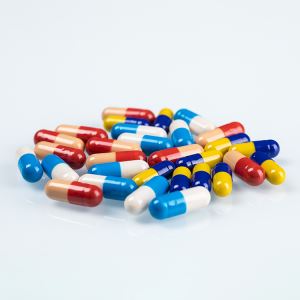

As a supplier of vacant capsules, one of the most common concerns our clients have is how to prevent the contents from leaking out of filled capsules. This issue is crucial as it can affect the quality, efficacy, and shelf - life of the encapsulated products. In this blog, I will share some practical strategies and considerations to address this problem.
Understanding the Causes of Leakage
Before we dive into the prevention methods, it's essential to understand why capsule leakage occurs. There are several potential reasons like defective capsules, improper filling processes, incompatible materials, and environmental factors.
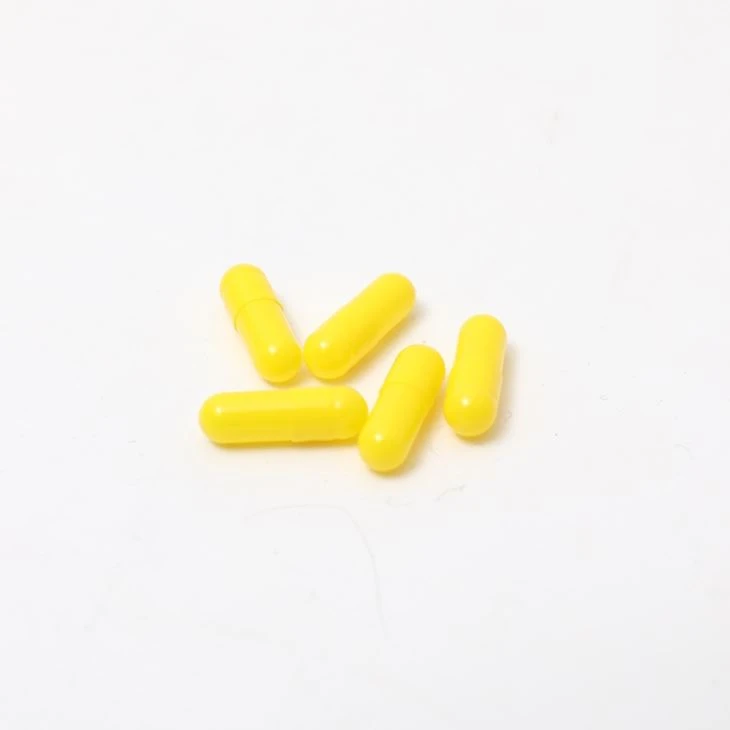

- Defective Capsules: Capsules might have small holes or cracks during the manufacturing process. These defects can be more prevalent in lower - quality capsules. For instance, if the gelatin used to make the Gelatin Coated Capsule has impurities or if the manufacturing equipment is not properly calibrated, it can lead to faulty capsules.
- Improper Filling Processes: Over - filling or uneven filling can put excessive pressure on the capsule, causing it to rupture or split. The filling machinery also needs to be regulated precisely. If the filling speed is too high, it can force the capsule parts to separate during the filling process.
- Incompatible Materials: The substances being filled into the capsule may react chemically with the capsule material. For example, highly acidic or alkaline substances can degrade the gelatin of the capsule over time, leading to leakage.
- Environmental Factors: High humidity, heat, or exposure to light can affect the integrity of the capsules. Gelatin capsules, in particular, are sensitive to moisture. When they absorb water, they become soft and more prone to leakage.
Strategies to Prevent Capsule Leakage
Quality Control of Capsules
- Source High - Quality Capsules: As a vacant capsule supplier, we ensure that the capsules we provide meet strict quality standards. For clients, it is crucial to choose a reliable supplier who can guarantee the quality of Size 0 Vacant Capsule and other sizes. We conduct thorough inspections during the manufacturing process, including visual inspections for cracks, holes, and proper dimensions, as well as mechanical testing to ensure the capsules can withstand the filling pressure.
- Capsule Conditioning: Before filling, capsules may need to be conditioned to the appropriate humidity and temperature. This can help to ensure that the capsules are in an optimal state for filling, reducing the risk of breakage.
Optimize the Filling Process
- Proper Filling Quantity: Calculate and control the correct amount of content to be filled into each capsule. This can be determined through trials and error, taking into account the capsule size, the density of the filling material, and the desired end - product. For example, if you are filling a Size 0 Vacant Capsule, you need to know the maximum safe volume it can hold without risking leakage.
- Adjust Filling Speed and Pressure: The filling machinery should be operated at a proper speed and pressure. A slow and steady filling process can help to ensure even distribution of the content within the capsule and prevent the over - pressurization that can lead to leakage. Regular maintenance and calibration of the filling equipment are also necessary to ensure consistent performance.
- Use of Appropriate Filling Techniques: Different filling materials may require different techniques. For powders, a dry - filling method may be appropriate, while liquids may need a specialized liquid - filling process. Using the correct technique can help to minimize the air trapped inside the capsule, which can also contribute to leakage.
Select Compatible Materials
- Understand the Compatibility: Before filling a capsule, it is important to understand the chemical and physical properties of the filling material and the capsule material. For example, if you are dealing with a substance that is highly reactive, you may need to choose a Gelatin Coated Capsule with a protective coating or a different type of capsule material altogether.
- Conduct Compatibility Tests: Prior to full - scale production, conduct small - scale compatibility tests. Observe the capsules over a period of time to see if there are any signs of degradation or leakage. This can help you to identify potential issues early on and make necessary adjustments.
Environmental Considerations
- Storage Conditions: Store the filled capsules in a controlled environment. Keep them at a stable temperature and humidity level. For gelatin capsules, a relative humidity of around 30 - 40% and a temperature between 20 - 25°C is often recommended. Avoid storing the capsules in direct sunlight or in areas with high moisture, such as near sinks or open windows.
- Packaging: Use appropriate packaging materials to protect the filled capsules from environmental factors. For example, blister packs can provide a good barrier against moisture and light, reducing the risk of capsule deterioration.
Additional Tips
- Capsule Sealing: Some capsules come with a sealing option. Sealing can provide an extra layer of protection against leakage. There are different types of sealing methods, such as band - sealing, where a thin strip of gelatin is applied around the joint of the two capsule halves. This can be a viable option for products that are particularly prone to leakage.
- Employee Training: Ensure that the employees involved in the filling process are well - trained. They should understand the importance of following the correct procedures, including handling the capsules carefully, setting up the filling equipment correctly, and monitoring the filling process for any signs of issues.
Conclusion
Preventing the contents from leaking out of filled vacant capsules requires a comprehensive approach that addresses the quality of the capsules, the filling process, the compatibility of materials, and the environmental conditions. By implementing these strategies, you can significantly reduce the risk of leakage and ensure the quality and integrity of your encapsulated products.
If you are in the market for high - quality Empty Capsule and need more information on preventing leakage or any other aspects of capsule usage, I encourage you to reach out for further discussions. We are here to partner with you to meet your needs and ensure the success of your encapsulation projects.
References
- "Handbook of Pharmaceutical Encapsulation"
- "Pharmaceutical Dosage Forms: Capsules"