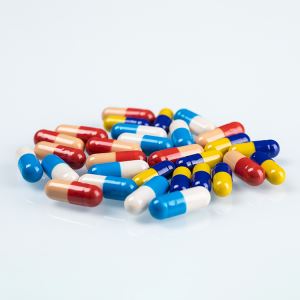

When it comes to encapsulating medications, supplements, or other substances, the choice of capsule type is a critical decision. Gelatine capsules have long been a staple in the pharmaceutical and nutraceutical industries, but how do they compare to other types of capsules? As a leading gelatine capsule supplier, I am well - versed in the unique characteristics of gelatine capsules and how they stack up against their counterparts.
Composition and Source
Gelatine capsules are primarily made from animal by - products, usually derived from collagen obtained from the skin, bones, and connective tissues of cows or pigs. This collagen is processed to form gelatine, which is then used to create the capsules. On the other hand, vegetarian and vegan capsules are typically made from plant - based materials such as hydroxypropyl methylcellulose (HPMC) or pullulan.
The animal - based origin of gelatine capsules can be a drawback for some consumers due to religious or ethical reasons. For example, those following a halal or kosher diet may avoid gelatine capsules made from non - compliant sources. Vegetarians and vegans also prefer non - animal - derived capsules. However, gelatine capsules have an advantage in terms of availability and cost. The raw materials for gelatine are widely available, and the manufacturing process is well - established, which often results in lower production costs compared to some plant - based alternatives.
Physical Properties
Dissolution Rate
One of the most important factors in capsule performance is the dissolution rate. Gelatine capsules generally have a relatively fast dissolution rate. In the acidic environment of the stomach, gelatine capsules dissolve quickly, releasing the contents for absorption. This is beneficial for medications and supplements that need to be rapidly absorbed into the bloodstream.
HPMC capsules, a popular alternative to gelatine, have a slower dissolution rate. While this can be an advantage for some applications, such as sustained - release formulations, it may not be suitable for products that require immediate release. Pullulan capsules also have a relatively slow dissolution rate and are more often used for products that need to be protected from moisture or for those with a longer shelf - life requirement.
Barrier Properties
Gelatine capsules offer good barrier properties against oxygen and moisture. This helps to protect the contents of the capsule from degradation due to oxidation or moisture absorption. However, in high - humidity environments, gelatine capsules can become sticky and may adhere to each other. HPMC capsules have better moisture resistance compared to gelatine capsules, making them a better choice for products that are sensitive to moisture. Pullulan capsules have excellent oxygen and moisture barrier properties, which can extend the shelf - life of the encapsulated product.
Mechanical Strength
Gelatine capsules are known for their good mechanical strength. They can withstand the rigors of the filling process, including high - speed filling machinery, without breaking or deforming easily. This makes them suitable for large - scale production. Some plant - based capsules, such as HPMC capsules, may be more brittle and require more careful handling during the filling process to avoid breakage.
Compatibility with Fill Materials
Gelatine capsules are compatible with a wide range of fill materials, including powders, granules, and liquids. They can be used to encapsulate both hydrophilic and hydrophobic substances. However, some substances may interact with gelatine over time. For example, certain drugs or supplements with high acidity or alkalinity may cause the gelatine to degrade or change its properties.

HPMC capsules are also compatible with a variety of fill materials and are often used when there is a concern about the interaction between the fill material and the capsule shell. Pullulan capsules are particularly suitable for encapsulating sensitive substances, as they have a relatively inert nature and are less likely to interact with the contents.
Regulatory Considerations
Gelatine capsules have a long history of use in the pharmaceutical and nutraceutical industries, and they are generally well - regulated. Regulatory authorities around the world have established clear guidelines for the production and use of gelatine capsules. However, due to their animal - based origin, there are additional requirements regarding the source of the gelatine, such as ensuring that it comes from healthy animals and is free from contaminants.
Plant - based capsules, such as HPMC and pullulan capsules, are also regulated, but the regulatory framework may be different. For example, the source and processing of plant - based materials need to be carefully controlled to meet regulatory standards.
Market Trends and Consumer Preferences
In recent years, there has been a growing demand for vegetarian and vegan capsules due to the increasing number of consumers with dietary restrictions and ethical concerns. This has led to an expansion of the market for plant - based capsules. However, gelatine capsules still hold a significant share of the market, especially in regions where the demand for cost - effective solutions is high.
Consumers also consider factors such as brand reputation, product quality, and the specific benefits of the encapsulated product when choosing a capsule type. For some consumers, the traditional use of gelatine capsules and their well - known performance characteristics are still appealing.
Our Gelatine Capsules Offerings
As a gelatine capsule supplier, we offer a wide range of high - quality gelatine capsules. Our Capsuline Capsule is designed with precision to ensure consistent performance. It has excellent dissolution properties and can be used for a variety of applications.
Our Hard Gelatin Capsule is a popular choice for encapsulating powders and granules. It is made from high - grade gelatine and has good mechanical strength, making it suitable for large - scale production.
We also provide Empty Hard Gelatin Capsule options, which allow our customers to fill the capsules with their own products. These empty capsules are available in different sizes and specifications to meet the diverse needs of our clients.
Conclusion
In conclusion, gelatine capsules have their own set of advantages and disadvantages when compared to other types of capsules. Their fast dissolution rate, good mechanical strength, and wide compatibility with fill materials make them a popular choice for many applications. However, the animal - based origin and potential moisture - related issues are factors that need to be considered.
Plant - based capsules, such as HPMC and pullulan capsules, offer alternatives for consumers with specific dietary requirements or for products with special needs. As a gelatine capsule supplier, we understand the importance of providing high - quality products that meet the diverse needs of our customers.
If you are interested in learning more about our gelatine capsules or are considering a purchase, we encourage you to reach out to us for a detailed discussion. We are committed to providing the best solutions for your encapsulation needs.
References
- Rowe, R. C., Sheskey, P. J., & Quinn, M. E. (Eds.). (2018). Handbook of Pharmaceutical Excipients. Pharmaceutical Press.
- Gibson, M. A. (2019). Capsule Technology: A Practical Guide. Elsevier.