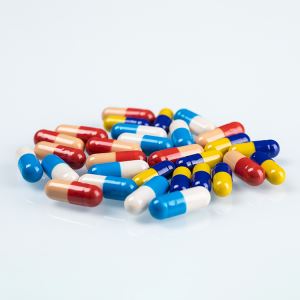

As a supplier of Capsuline Capsules, I often encounter inquiries from customers regarding the effects of our product on the liver. This is a crucial question, as the liver plays a vital role in detoxification, metabolism, and overall health. In this blog post, I will delve into the topic and provide scientific insights to address your concerns.
Understanding the Liver's Function
Before discussing the potential effects of Capsuline Capsules on the liver, it's essential to understand the liver's primary functions. The liver is a large, vital organ located in the upper right abdomen. It performs over 500 functions, including filtering toxins from the blood, producing bile to aid in digestion, storing vitamins and minerals, and regulating blood sugar levels.
One of the liver's most critical functions is detoxification. It processes and eliminates harmful substances, such as drugs, alcohol, and environmental toxins, from the body. This process involves a series of enzymatic reactions that convert toxins into less harmful substances that can be excreted through urine or feces.
The Composition of Capsuline Capsules
Capsuline Capsules are a dietary supplement formulated with a blend of natural ingredients carefully selected for their potential health benefits. The exact composition may vary depending on the specific product, but common ingredients include vitamins, minerals, herbal extracts, and antioxidants.
Many of the ingredients in Capsuline Capsules have been studied for their potential liver-protective effects. For example, milk thistle (Silybum marianum) is a well-known herb that has been used for centuries to support liver health. It contains a compound called silymarin, which has antioxidant and anti-inflammatory properties and may help protect liver cells from damage.
Another ingredient commonly found in Capsuline Capsules is turmeric (Curcuma longa). Turmeric contains a powerful antioxidant called curcumin, which has been shown to have anti-inflammatory, antioxidant, and hepatoprotective effects. Studies have suggested that curcumin may help reduce liver inflammation, protect against oxidative stress, and improve liver function.
Scientific Evidence on the Effects of Capsuline Capsules on the Liver
While there is limited direct research on the effects of Capsuline Capsules specifically on the liver, there is a growing body of evidence supporting the potential liver-protective effects of many of the ingredients found in these capsules.
A systematic review and meta-analysis of clinical trials published in the journal Phytotherapy Research examined the effects of milk thistle on liver function in patients with various liver diseases. The review found that milk thistle supplementation was associated with significant improvements in liver function tests, including alanine aminotransferase (ALT) and aspartate aminotransferase (AST) levels, which are markers of liver damage.


Another study published in the journal Evidence-Based Complementary and Alternative Medicine investigated the effects of curcumin on liver function in patients with non-alcoholic fatty liver disease (NAFLD). The study found that curcumin supplementation for 12 weeks was associated with significant improvements in liver function tests, as well as reductions in liver fat content and inflammation.
These studies suggest that the ingredients in Capsuline Capsules may have the potential to support liver health and protect against liver damage. However, it's important to note that more research is needed to fully understand the effects of these ingredients on the liver and to determine the optimal dosage and duration of supplementation.
Potential Risks and Precautions
While Capsuline Capsules are generally considered safe for most people, it's important to exercise caution and consult with a healthcare professional before starting any new dietary supplement, especially if you have a pre-existing liver condition or are taking medications.
Some ingredients in Capsuline Capsules may interact with certain medications or have potential side effects. For example, milk thistle may interact with medications metabolized by the liver, such as blood thinners, anti-seizure medications, and some antidepressants. Turmeric may also interact with blood thinners and increase the risk of bleeding.
In addition, some people may be allergic to certain ingredients in Capsuline Capsules. If you experience any adverse reactions, such as allergic reactions, digestive problems, or changes in liver function tests, stop taking the supplement and consult with a healthcare professional immediately.
Conclusion
In conclusion, while there is limited direct research on the effects of Capsuline Capsules specifically on the liver, there is a growing body of evidence supporting the potential liver-protective effects of many of the ingredients found in these capsules. Milk thistle, turmeric, and other natural ingredients have been shown to have antioxidant, anti-inflammatory, and hepatoprotective properties, which may help support liver health and protect against liver damage.
However, it's important to remember that dietary supplements are not a substitute for a healthy diet and lifestyle. To maintain optimal liver health, it's essential to eat a balanced diet, exercise regularly, limit alcohol consumption, and avoid exposure to toxins.
If you have any concerns about the effects of Capsuline Capsules on your liver or are considering taking these supplements, I recommend consulting with a healthcare professional. They can provide personalized advice based on your individual health status and help you determine if Capsuline Capsules are right for you.
Call to Action
If you're interested in learning more about Capsuline Capsules or would like to discuss potential采购洽谈 opportunities, please feel free to reach out to me. I'm happy to provide more information and answer any questions you may have.
References
- [1] Shakeri A, Shokri M, Khodadadi A, et al. The effect of silymarin on liver function in patients with liver diseases: a systematic review and meta-analysis of clinical trials. Phytotherapy Research. 2017;31(8):1199-1207.
- [2] Mirhosseini N, Nasiri M, Sadeghi S, et al. The effect of curcumin on liver function in patients with non-alcoholic fatty liver disease: a randomized, double-blind, placebo-controlled trial. Evidence-Based Complementary and Alternative Medicine. 2014;2014:830476.