
When it comes to pharmaceutical and nutraceutical packaging, capsules play a crucial role in delivering active ingredients effectively. Among the various types of capsules available in the market, gelatin capsules and enteric - coated capsules are two popular choices. As a gelatin capsule supplier, I often encounter inquiries about the differences between these two types of capsules. In this blog post, I'll delve into the characteristics, advantages, and applications of gelatin capsules and enteric - coated capsules to help you make an informed decision.
Gelatin Capsules
Gelatin capsules are one of the most widely used forms of capsule packaging. They are made from gelatin, a protein obtained by partial hydrolysis of collagen extracted from the skin, bones, and connective tissues of animals such as cows and pigs. There are two main types of gelatin capsules: hard gelatin capsules and soft gelatin capsules.
Hard Gelatin Capsules
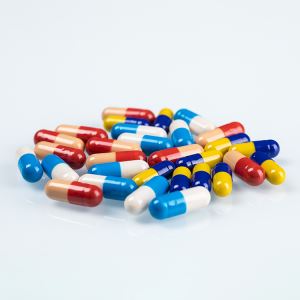
Hard gelatin capsules consist of two parts: a body and a cap. They are commonly used for solid dosage forms such as powders, granules, and pellets. Hard gelatin capsules are easy to fill, and they provide a convenient way to administer medications and supplements. They are available in various sizes, colors, and shapes, allowing for customization according to the specific needs of the product. For example, you can find Hard and Colorful Gelatin Capsule on our website, which can enhance the visual appeal of your product.
Soft Gelatin Capsules
Soft gelatin capsules are a one - piece, hermetically sealed capsule that contains a liquid or semi - liquid fill. They are often used for oil - based formulations, vitamins, and herbal extracts. Soft gelatin capsules offer several advantages, including better bioavailability, improved stability, and ease of swallowing.
Advantages of Gelatin Capsules
- Biocompatibility: Gelatin is a natural protein that is well - tolerated by the human body. It is biodegradable and does not cause any significant adverse reactions.
- Ease of Manufacture: Gelatin capsules can be produced in large quantities with high precision and consistency. The manufacturing process is relatively simple and cost - effective, making them an economical choice for pharmaceutical and nutraceutical companies.
- Versatility: Gelatin capsules can accommodate a wide range of fill materials, including powders, liquids, and semi - solids. They can be easily customized in terms of size, color, and print, allowing for brand differentiation.
- Fast Dissolution: Gelatin capsules dissolve quickly in the stomach, releasing the active ingredients for rapid absorption. This makes them suitable for products that require fast - acting effects.
You can explore our range of Gelatin Pill Capsules and Empty Gel Capsule to see the options available for your product.


Enteric - Coated Capsules
Enteric - coated capsules are designed to resist dissolution in the acidic environment of the stomach and release the active ingredients in the more alkaline environment of the small intestine. This is achieved by applying a special coating to the capsule shell.
Coating Materials
The coating materials used for enteric - coated capsules are typically polymers that are insoluble in acidic pH but soluble in alkaline pH. Common coating materials include cellulose acetate phthalate (CAP), hydroxypropyl methylcellulose phthalate (HPMCP), and polyvinyl acetate phthalate (PVAP).
Advantages of Enteric - Coated Capsules
- Protection of Active Ingredients: Enteric coating protects acid - labile drugs from degradation in the stomach. For example, some enzymes and probiotics are sensitive to the acidic environment of the stomach, and enteric - coated capsules can ensure their survival until they reach the small intestine.
- Reduction of Gastric Irritation: Some medications can cause irritation to the stomach lining. Enteric - coated capsules can prevent direct contact between the drug and the stomach mucosa, reducing the risk of gastric irritation and side effects.
- Targeted Delivery: By releasing the active ingredients in the small intestine, enteric - coated capsules can improve the bioavailability of certain drugs. The small intestine has a larger surface area and a more favorable environment for absorption compared to the stomach.
Key Differences between Gelatin Capsules and Enteric - Coated Capsules
Dissolution and Release
- Gelatin Capsules: Gelatin capsules dissolve rapidly in the stomach due to the acidic environment. The active ingredients are released immediately, which is suitable for drugs that need to act quickly.
- Enteric - Coated Capsules: Enteric - coated capsules remain intact in the stomach and dissolve in the small intestine. This delayed release can be beneficial for drugs that are sensitive to stomach acid or need to be absorbed in the small intestine.
Composition
- Gelatin Capsules: As mentioned earlier, gelatin capsules are made from gelatin, a natural protein. They are generally considered safe for most people, but they may not be suitable for vegetarians and vegans.
- Enteric - Coated Capsules: The capsule shell of enteric - coated capsules can be made from gelatin or other materials such as hydroxypropyl methylcellulose (HPMC). The enteric coating is made from polymers that are specifically designed to resist stomach acid.
Applications
- Gelatin Capsules: Gelatin capsules are widely used for a variety of medications and supplements, especially those that are not sensitive to stomach acid. They are commonly used for pain relievers, vitamins, and dietary supplements.
- Enteric - Coated Capsules: Enteric - coated capsules are mainly used for acid - labile drugs, drugs that cause gastric irritation, and drugs that need to be absorbed in the small intestine. Examples include aspirin, some antibiotics, and certain enzymes.
Cost
- Gelatin Capsules: Gelatin capsules are relatively inexpensive to produce, making them a cost - effective option for many pharmaceutical and nutraceutical companies.
- Enteric - Coated Capsules: The production of enteric - coated capsules is more complex and requires additional processing steps. As a result, they are generally more expensive than gelatin capsules.
Choosing the Right Capsule for Your Product
When deciding between gelatin capsules and enteric - coated capsules, several factors need to be considered:
Nature of the Active Ingredient
If the active ingredient is sensitive to stomach acid or causes gastric irritation, an enteric - coated capsule may be the better choice. On the other hand, if the drug is stable in the stomach and needs to act quickly, a gelatin capsule would be more suitable.
Target Market
Consider the dietary preferences and restrictions of your target market. If you are targeting vegetarians or vegans, you may need to use vegetarian capsules such as HPMC capsules instead of gelatin capsules.
Cost - Benefit Analysis
Evaluate the cost of production, including the cost of the capsule and the manufacturing process. Balance the cost with the benefits of each type of capsule to determine the most cost - effective option for your product.
Conclusion
In conclusion, both gelatin capsules and enteric - coated capsules have their own unique advantages and applications. As a gelatin capsule supplier, I understand the importance of choosing the right capsule for your product. Gelatin capsules are a versatile, cost - effective option for a wide range of medications and supplements, while enteric - coated capsules are ideal for acid - labile drugs and drugs that need targeted delivery.
If you are interested in learning more about our gelatin capsule products or have any questions regarding capsule selection, please feel free to reach out to us. We are committed to providing high - quality gelatin capsules and excellent customer service. Let's start a conversation about your specific needs and how we can help you find the perfect capsule solution for your product.
References
- Remington: The Science and Practice of Pharmacy, 22nd Edition
- Pharmaceutical Dosage Forms: Tablets, Volume 1, 3rd Edition
- Handbook of Pharmaceutical Excipients, 7th Edition