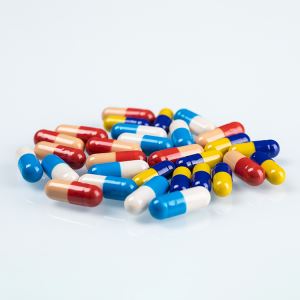

As a supplier of empty gel capsules, I often receive inquiries from customers about using our products for encapsulating probiotics. This is a topic that combines the fields of nutraceuticals, microbiology, and packaging. In this blog post, I'll explore whether it's feasible to use empty gel capsules for probiotics, the considerations involved, and how our empty gel capsules can be a suitable solution.


Understanding Probiotics and Their Requirements
Probiotics are live microorganisms that, when administered in adequate amounts, confer a health benefit on the host. They are commonly used to support digestive health, boost the immune system, and even improve mental health. However, these beneficial bacteria are sensitive to various environmental factors, such as oxygen, moisture, and temperature.
To maintain their viability and effectiveness, probiotics need to be protected from these elements during storage and transportation. This is where proper encapsulation comes into play. Encapsulating probiotics can shield them from adverse conditions and ensure that they reach the gut alive and in sufficient numbers to exert their health - promoting effects.
The Suitability of Empty Gel Capsules for Probiotics
Protection from Oxygen
Empty gel capsules, especially hard gelatine capsules, can provide a certain degree of protection against oxygen. Gelatin, the main component of these capsules, forms a relatively air - tight seal around the probiotic powder. This helps to reduce the exposure of the probiotics to oxygen, which can cause oxidative damage to the microorganisms and reduce their viability. For example, Size 0 Vacant Capsule has a well - designed structure that can minimize oxygen ingress, making it a good choice for encapsulating probiotics.
Moisture Barrier
Moisture is another enemy of probiotics. High humidity can lead to the growth of mold and bacteria, as well as the clumping of probiotic powder. Gelatin capsules can act as a moisture barrier to some extent. They have a low water vapor transmission rate, which means they can slow down the absorption of moisture by the probiotic contents. However, it's important to note that in extremely humid environments, additional moisture - control measures may be required.
Compatibility with Probiotic Formulations
Empty gel capsules are generally compatible with a wide range of probiotic formulations. They can be filled with different types of probiotic powders, whether they are single - strain or multi - strain blends. The capsules can also accommodate other excipients or carriers that may be used in the probiotic formulation, such as prebiotics or fillers.
Ease of Administration
One of the advantages of using empty gel capsules for probiotics is the ease of administration. Capsules are a convenient dosage form for consumers. They are easy to swallow and can be taken with water, making them a popular choice for dietary supplements.
Considerations When Using Empty Gel Capsules for Probiotics
Capsule Material
There are different types of capsule materials available, such as gelatin and vegetarian alternatives like HPMC (hydroxypropyl methylcellulose). Gelatin capsules are derived from animal sources and are known for their good sealing properties and low cost. On the other hand, HPMC capsules are suitable for vegetarians and vegans. When choosing a capsule material for probiotics, factors such as the stability of the probiotics in the capsule, the target market, and regulatory requirements need to be considered.
Storage Conditions
Even with the protection provided by the capsules, proper storage conditions are crucial for maintaining the viability of probiotics. Probiotic - filled capsules should be stored in a cool, dry place away from direct sunlight. Refrigeration may be recommended for some probiotic products to extend their shelf life.
Filling Process
The filling process of the empty gel capsules with probiotics is also important. It should be carried out in a clean and controlled environment to prevent contamination. The filling equipment should be calibrated accurately to ensure that each capsule contains the correct amount of probiotics.
Our Empty Gel Capsule Offerings for Probiotics
Hard Gelatine Capsules
Our Hard Gelatine Capsule range is an excellent option for encapsulating probiotics. These capsules are made from high - quality gelatin, which provides a reliable barrier against oxygen and moisture. They are available in different sizes, allowing you to choose the most suitable one for your probiotic formulation. The hard gelatine capsules also have a smooth surface, which makes them easy to fill and seal.
Colored Gelatin Capsules
In addition to the standard clear capsules, we also offer Colored Gelatin Capsule. Colored capsules can be used for branding purposes or to differentiate different probiotic products. The colorants used in our capsules are safe and comply with relevant food and pharmaceutical regulations.
Quality Assurance
We understand the importance of quality when it comes to encapsulating probiotics. Our empty gel capsules are manufactured in a state - of - the - art facility that adheres to strict quality control standards. We conduct regular tests on the capsules to ensure their physical and chemical properties meet the requirements for encapsulating probiotics. These tests include thickness measurement, dissolution testing, and microbial limit testing.
Conclusion
In conclusion, using empty gel capsules for probiotics is a viable option. They can provide protection against oxygen and moisture, are compatible with probiotic formulations, and offer ease of administration. However, it's important to consider factors such as capsule material, storage conditions, and the filling process. As a leading supplier of empty gel capsules, we are committed to providing high - quality products that meet the needs of the probiotic industry.
If you are interested in using our empty gel capsules for your probiotic products, we would be delighted to discuss your requirements further. Contact us to start a procurement discussion and find the best encapsulation solution for your probiotics.
References
- Sanders, M. E., et al. "An update on the use and investigation of probiotics in health and disease." Gut Microbes 9.2 (2018): 191 - 219.
- Shah, N. P. "Probiotic bacteria: selective enumeration and survival in dairy foods." Journal of dairy science 84.6 (2001): 1379 - 1395.
- Risch, S. J., & Reineccius, G. A. "Flavor encapsulation." American Chemical Society, 1988.