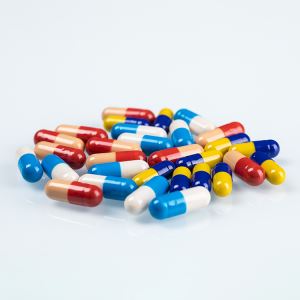

What is the Shelf - life of a Filled Vacant Capsule?
As a supplier of vacant capsules, I've been frequently asked about the shelf - life of filled vacant capsules. This is a crucial topic, not only for pharmaceutical companies but also for consumers who rely on the efficacy and safety of the medications they take. In this blog, I'll delve into the factors that influence the shelf - life of filled capsules and provide some insights based on industry knowledge and research.
Understanding the Basics of Capsule Shelf - life
The shelf - life of a filled vacant capsule refers to the period during which the capsule and its contents remain stable, retaining their quality, potency, and safety for use. It is determined through a series of stability studies that assess how the capsule and the enclosed substance respond to various environmental factors over time.
The primary components of a capsule are the shell and the fill material. The shell is typically made of gelatin or other polymers, while the fill can be a powder, liquid, or semi - solid formulation. Each of these components can be affected by different factors, which in turn impact the overall shelf - life of the filled capsule.
Factors Affecting the Shelf - life of Filled Capsules
1. Environmental Conditions
- Temperature: High temperatures can accelerate chemical reactions within the capsule. For example, heat can cause the active ingredients in the fill material to degrade, reducing their potency. Gelatin capsules may also become softer or more brittle at extreme temperatures, affecting their integrity. On the other hand, low temperatures can sometimes cause crystallization of the fill material, which may alter its properties.
- Humidity: Moisture is a significant enemy of capsules. Gelatin capsules are hygroscopic, meaning they absorb moisture from the air. Excessive moisture can lead to the growth of microorganisms, cause the capsule to swell or stick together, and also promote chemical reactions in the fill material. For non - gelatin capsules, humidity can still affect the stability of the fill and the mechanical properties of the shell.
- Light: Certain active ingredients are photosensitive, meaning they can be degraded by exposure to light, especially ultraviolet (UV) light. Capsules are often packaged in opaque containers to protect them from light, but if the packaging is compromised, light can penetrate and reduce the shelf - life of the filled capsule.
2. Capsule Material
- Gelatin Capsules: Gelatin is a natural protein derived from animal sources. It has good compatibility with many drugs and is widely used in the pharmaceutical industry. However, gelatin capsules can be prone to cross - linking reactions over time, especially in the presence of aldehydes or other reactive substances. This can lead to changes in the capsule's solubility and permeability.
- Non - Gelatin Capsules: Non - gelatin capsules, such as those made from hydroxypropyl methylcellulose (HPMC), offer some advantages in terms of stability. They are less hygroscopic than gelatin capsules and have better resistance to microbial growth. However, they may still be affected by environmental factors and the nature of the fill material.
3. Fill Material
- Chemical Stability: The chemical properties of the fill material play a major role in determining the shelf - life. Some active ingredients are inherently unstable and may undergo oxidation, hydrolysis, or other chemical reactions over time. For example, drugs containing amines or phenols are often more prone to oxidation.
- Physical Properties: The physical state of the fill material can also affect the capsule's stability. Powders may settle or cake over time, while liquids may separate or evaporate. Semi - solid formulations may change their viscosity or texture, which can impact the release of the active ingredient.
Determining the Shelf - life
To determine the shelf - life of a filled vacant capsule, pharmaceutical companies conduct extensive stability studies. These studies involve storing the filled capsules under different environmental conditions (such as accelerated aging at high temperature and humidity) and periodically analyzing the capsules for changes in quality, potency, and physical appearance.


The International Council for Harmonisation of Technical Requirements for Pharmaceuticals for Human Use (ICH) provides guidelines for stability testing. These guidelines recommend testing at multiple time points and under different storage conditions to establish a reliable shelf - life.
Typically, the shelf - life of a filled capsule can range from 1 to 5 years, depending on the factors mentioned above. For example, a well - formulated capsule with a stable fill material and proper packaging may have a shelf - life of up to 5 years, while a capsule containing a highly unstable active ingredient may have a shelf - life of only 1 year.
Importance of Shelf - life for Consumers and the Industry
For consumers, the shelf - life is a critical factor in ensuring the safety and efficacy of the medications they take. Using a capsule that has expired may result in reduced potency, increased risk of side effects, or even no therapeutic effect at all.
For the pharmaceutical industry, accurately determining the shelf - life is essential for quality control, inventory management, and regulatory compliance. Pharmaceutical companies must label their products with the expiration date, and they are responsible for ensuring that the capsules remain within the specified quality parameters throughout their shelf - life.
Our Offerings as a Vacant Capsule Supplier
As a supplier of vacant capsules, we understand the importance of providing high - quality capsules that can meet the diverse needs of our customers. We offer a wide range of capsule products, including Medicine Capsule and Blue White Capsule. Our Empty Hard Capsule products are manufactured using strict quality control processes to ensure their stability and compatibility with different fill materials.
We work closely with our customers to understand their specific requirements and provide customized solutions. Whether you need capsules for a new drug formulation or for a generic medication, we can offer the right capsule size, material, and quality to meet your needs.
Contact Us for Procurement
If you are interested in procuring high - quality vacant capsules for your pharmaceutical products, we invite you to contact us for a detailed discussion. Our team of experts is ready to assist you in choosing the most suitable capsule for your needs and answering any questions you may have about the shelf - life and other aspects of our products. Let's work together to ensure the success of your pharmaceutical formulations.
References
- International Council for Harmonisation of Technical Requirements for Pharmaceuticals for Human Use (ICH). Q1A(R2) Stability Testing of New Drug Substances and Products.
- Pharmaceutical Press. Martindale: The Complete Drug Reference.
- Remington: The Science and Practice of Pharmacy.