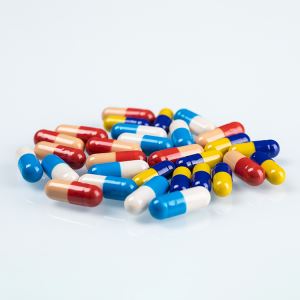

What is the production capacity of small gel capsules in a factory?
As a supplier of small gel capsules, I've been frequently asked about the production capacity of these capsules in a factory. Understanding production capacity is crucial for both manufacturers and customers, as it directly impacts supply, delivery times, and overall business operations. In this blog post, I'll delve into the factors that influence the production capacity of small gel capsules and provide insights into how factories determine and manage this important metric.
Factors Affecting Production Capacity
The production capacity of small gel capsules in a factory is influenced by several key factors. These factors interact with each other and can significantly impact the overall output of the manufacturing process.
Equipment and Technology
The type and quality of equipment used in the production process play a vital role in determining production capacity. Modern, high - speed encapsulation machines are designed to produce a large number of capsules per hour. For example, some advanced encapsulation machines can produce up to 100,000 small gel capsules per hour. On the other hand, older or less efficient equipment may have a much lower output, perhaps only a few thousand capsules per hour.
The technology incorporated into the machines also affects capacity. Automated systems that can perform multiple tasks simultaneously, such as filling, sealing, and quality control, can increase production efficiency. For instance, a machine with advanced vision inspection technology can quickly detect and reject defective capsules, ensuring that only high - quality products are packaged, while minimizing downtime.
Raw Materials
The availability and quality of raw materials are essential for maintaining production capacity. Gelatin, the primary material for small gel capsules, needs to be of consistent quality to ensure smooth production. Any variations in the gelatin's properties, such as viscosity or gel strength, can affect the encapsulation process and potentially reduce output.
Moreover, a steady supply of other materials like fillers, active ingredients, and lubricants is also necessary. If there are shortages of any of these materials, it can lead to production delays and a decrease in capacity. For example, if a factory runs out of a specific filler, it may have to halt production until the material is restocked.
Labor and Workforce
The number and skill level of the workforce are critical factors in determining production capacity. A well - trained and experienced team can operate the equipment more efficiently, troubleshoot problems quickly, and ensure that the production process runs smoothly.
In addition, the number of shifts and working hours can also impact capacity. A factory that operates 24/7 with multiple shifts can produce significantly more capsules than one that only operates during regular business hours. However, managing a large workforce also requires effective leadership and scheduling to ensure that there is no overlap or inefficiency in the production process.
Facility and Space
The size and layout of the factory facility can limit or enhance production capacity. A larger facility with proper ventilation, temperature, and humidity control can accommodate more equipment and provide a better working environment for the workforce.
The layout of the production line is also important. An optimized layout can minimize the movement of materials and products, reducing the time and effort required for transportation within the factory. For example, a well - designed layout can ensure that raw materials are easily accessible to the encapsulation machines, and finished products can be quickly moved to the packaging area.
Calculating Production Capacity
To determine the production capacity of small gel capsules in a factory, several steps are typically involved.
First, the maximum output of the encapsulation machines needs to be determined. This is usually specified by the machine manufacturer and is based on ideal operating conditions. For example, if a machine is rated to produce 80,000 capsules per hour, this is its theoretical maximum capacity.
Next, the actual production time needs to be considered. This takes into account factors such as machine downtime for maintenance, cleaning, and changeovers. For instance, if a machine is scheduled to operate for 20 hours a day, but it requires 2 hours of maintenance and cleaning, the actual production time is 18 hours per day.
The efficiency of the production process also needs to be factored in. Due to various factors such as raw material variations, operator errors, and equipment malfunctions, the actual output may be lower than the theoretical maximum. A typical efficiency rate for a well - run factory may be around 80 - 90%. So, if the theoretical maximum output of a machine is 80,000 capsules per hour and the efficiency rate is 85%, the actual output per hour would be 80,000 x 0.85 = 68,000 capsules per hour.
Finally, to calculate the daily or monthly production capacity, the actual output per hour is multiplied by the number of production hours per day or month. For example, if a machine has an actual output of 68,000 capsules per hour and operates for 18 hours a day, the daily production capacity is 68,000 x 18 = 1,224,000 capsules per day.
Managing and Optimizing Production Capacity
As a small gel capsule supplier, managing and optimizing production capacity is crucial for meeting customer demand and staying competitive in the market.
One way to manage capacity is through demand forecasting. By analyzing historical sales data, market trends, and customer orders, factories can predict future demand and adjust their production schedules accordingly. For example, if a factory anticipates a high demand for a particular type of small gel capsule during a certain season, it can increase production in advance to ensure sufficient supply.
Another strategy is to invest in continuous improvement. This can involve upgrading equipment, training the workforce, and optimizing the production process. For instance, a factory can invest in new encapsulation machines with higher production speeds or implement lean manufacturing principles to reduce waste and improve efficiency.
Maintaining good relationships with raw material suppliers is also essential. By working closely with suppliers, factories can ensure a steady supply of high - quality materials and negotiate favorable terms. This can help to prevent production disruptions and reduce costs.


Product Offerings and Their Impact on Capacity
We offer a wide range of small gel capsules, including 00 Empty Capsule, Empty Gel Capsule, and Clear Gelatin Capsule. Each type of capsule may have different production requirements, which can affect the overall production capacity.
For example, clear gelatin capsules may require a more precise manufacturing process to ensure transparency and clarity. This may involve additional quality control steps and longer production times, potentially reducing the production capacity compared to other types of capsules.
On the other hand, empty capsules, whether they are 00 size or other sizes, may have a higher production capacity as they do not require the filling process. However, the demand for empty capsules also needs to be considered when managing production capacity. If there is a high demand for a specific size or type of empty capsule, the factory may need to allocate more resources to its production.
Conclusion
In conclusion, the production capacity of small gel capsules in a factory is influenced by multiple factors, including equipment and technology, raw materials, labor, and facility. Calculating production capacity involves considering the theoretical maximum output, actual production time, and production efficiency. Managing and optimizing capacity requires demand forecasting, continuous improvement, and good supplier relationships.
As a supplier of small gel capsules, we are committed to providing high - quality products and meeting the diverse needs of our customers. Our production capacity is carefully managed to ensure that we can offer timely delivery and competitive prices.
If you are interested in purchasing small gel capsules for your business, we would be delighted to discuss your requirements. Contact us to start a conversation about your specific needs and explore how we can work together to meet your capsule requirements.
References
- Smith, J. (2020). "Gelatin Capsule Manufacturing: Principles and Practices." Pharmaceutical Press.
- Brown, A. (2019). "Production Capacity Management in the Pharmaceutical Industry." Journal of Manufacturing Science.
- Johnson, R. (2021). "Optimizing Gelatin Capsule Production Processes." Food and Drug Manufacturing Journal.