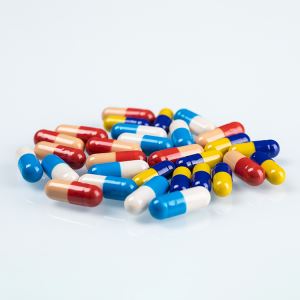

In the dynamic landscape of the pharmaceutical industry, the use of gelatin capsules for combination medications has emerged as a topic of significant interest. As a dedicated gelatin capsule supplier, I have witnessed firsthand the growing demand for these versatile delivery systems and the complexities surrounding their application in combination therapies. In this blog post, I will explore the feasibility and considerations of using gelatin capsules for combination medications, drawing on my industry experience and scientific knowledge.
Understanding Gelatin Capsules
Gelatin capsules are a popular choice for pharmaceutical manufacturers due to their numerous advantages. They are made from gelatin, a protein derived from animal collagen, which provides a flexible and biocompatible shell for encapsulating medications. Gelatin capsules are available in various sizes and types, including hard and soft capsules, each suited to different formulations and delivery requirements.
Hard gelatin capsules, such as the Size 0 Hard Gelatin Capsule, are commonly used for solid dosage forms, including powders, granules, and pellets. They offer excellent protection for the enclosed medication, preventing degradation and ensuring stability during storage and transportation. Soft gelatin capsules, on the other hand, are used for liquid or semi - liquid formulations and provide a hermetic seal that can enhance the bioavailability of certain drugs.
The Concept of Combination Medications
Combination medications, also known as fixed - dose combinations (FDCs), involve the incorporation of two or more active pharmaceutical ingredients (APIs) into a single dosage form. This approach offers several benefits, including improved patient compliance, as patients only need to take one pill instead of multiple, and potential synergistic effects between the APIs, which can enhance therapeutic efficacy.
However, formulating combination medications is not without its challenges. The APIs must be compatible with each other and with the capsule shell material to ensure stability, safety, and efficacy. Any interaction between the APIs or between the APIs and the capsule shell can lead to issues such as degradation, reduced bioavailability, or adverse reactions.
Feasibility of Using Gelatin Capsules for Combination Medications
The use of gelatin capsules for combination medications is indeed feasible in many cases, but it requires careful consideration of several factors.
Compatibility of APIs
One of the primary concerns when formulating combination medications in gelatin capsules is the compatibility of the APIs. Some APIs may react with each other chemically, leading to the formation of new compounds that could be inactive, less effective, or even toxic. For example, certain acidic and basic drugs may react in the presence of moisture, which can be present in the gelatin matrix.
To address this issue, pharmaceutical scientists conduct extensive compatibility studies. These studies involve exposing the APIs to each other under various conditions, such as different temperatures, humidity levels, and storage times. By analyzing the stability of the APIs over time, researchers can determine if they are suitable for combination in a gelatin capsule.
Compatibility with Gelatin
Gelatin is a natural polymer that can interact with some APIs. For instance, APIs with strong reducing or oxidizing properties may react with the gelatin, leading to cross - linking or degradation of the capsule shell. This can result in issues such as capsule brittleness, leaking, or changes in the release profile of the medication.
Manufacturers need to select APIs that are compatible with gelatin. In some cases, the formulation may require the addition of excipients or coatings to prevent interactions between the APIs and the gelatin. For example, a protective coating can be applied to the APIs or the inner surface of the capsule shell to create a barrier between the two.
Release Profile
Another important consideration is the release profile of the combination medication. Different APIs may have different optimal release rates to achieve their therapeutic effects. Gelatin capsules can be designed to provide immediate - release, delayed - release, or extended - release profiles.
For combination medications, it is crucial to ensure that each API is released at the appropriate time and rate. This may involve using different types of gelatin capsules or incorporating additional technologies, such as enteric coatings or modified - release polymers, into the formulation.
Advantages of Using Gelatin Capsules for Combination Medications
Despite the challenges, there are several advantages to using gelatin capsules for combination medications.
Patient Compliance
As mentioned earlier, combination medications in a single capsule can improve patient compliance. This is particularly important for patients who need to take multiple medications for chronic conditions. By reducing the number of pills they need to take, patients are more likely to adhere to their treatment regimen, which can lead to better health outcomes.


Flexibility in Formulation
Gelatin capsules offer a high degree of flexibility in formulation. They can accommodate a wide range of APIs in different physical forms, including powders, granules, and liquids. This allows pharmaceutical manufacturers to develop combination medications that meet the specific needs of patients and the requirements of the therapeutic regimen.
Protection and Stability
Gelatin capsules provide excellent protection for the enclosed combination medication. The capsule shell acts as a barrier against moisture, oxygen, and light, which can degrade the APIs. This helps to maintain the stability of the medication during storage and transportation, ensuring its efficacy and safety.
Case Studies
There are numerous examples of successful combination medications formulated in gelatin capsules. For instance, some anti - hypertensive combination drugs, which contain multiple APIs to control blood pressure, are available in gelatin capsules. These medications have been shown to be effective in clinical trials and are widely used in the treatment of hypertension.
Another example is combination medications for pain management. By combining different analgesics in a single gelatin capsule, pharmaceutical companies can provide more effective pain relief while improving patient compliance.
Conclusion
In conclusion, gelatin capsules can be effectively used for combination medications, but it requires a thorough understanding of the APIs, the gelatin capsule material, and the formulation process. With careful consideration of compatibility, release profile, and other factors, pharmaceutical manufacturers can develop safe and effective combination medications in gelatin capsules.
As a gelatin capsule supplier, I am committed to providing high - quality Empty Medicine Capsule and Size 0 Empty Hard Gelatin Capslue Shells that meet the stringent requirements of the pharmaceutical industry. Our products are manufactured using the latest technologies and quality control measures to ensure the best possible performance for combination medications.
If you are a pharmaceutical manufacturer interested in using gelatin capsules for your combination medications, I invite you to contact us for more information and to discuss your specific needs. We look forward to working with you to develop innovative and effective solutions for your patients.
References
- Pharmaceutical Dosage Forms: Tablets, Volume 1, 3rd Edition, edited by H. A. Lieberman, L. Lachman, and J. B. Schwartz.
- Remington: The Science and Practice of Pharmacy, 22nd Edition, edited by Patrick B. Troy.
- Handbook of Pharmaceutical Excipients, 7th Edition, edited by Raymond C. Rowe, Paul J. Sheskey, and Marian E. Quinn.