

Hey there! If you're a business like ours that deals with empty capsules, you know how important it is to store them properly. I'm a supplier of [link text="Empty Capsules"] and I've seen firsthand the impact that incorrect storage can have on these little wonders. So, let's dive into the ins and outs of how to store filled and empty capsules effectively.
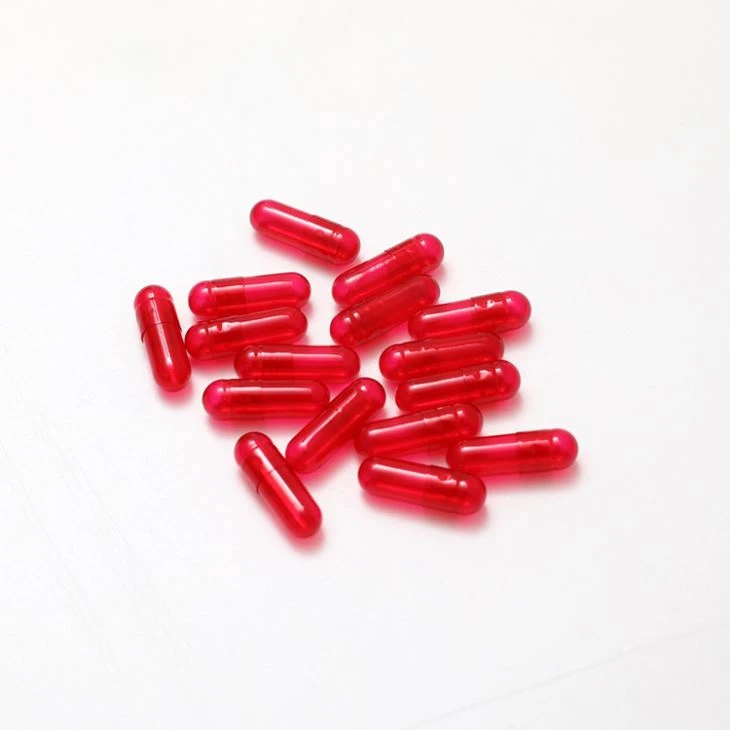

The Basics of Empty Capsule Storage
Before we talk about filled capsules, let's start with the basics of storing empty ones. Empty capsules are delicate and can be affected by various environmental factors. The most important things to consider are temperature, humidity, and light.
Temperature
Empty capsules, especially [link text="Gelatin Pill Capsules"] ["/gelatin-capsule/gelatin-pill-capsules.html"], are sensitive to temperature. They should be stored in a cool environment, ideally between 15°C and 25°C (59°F and 77°F). Extreme temperatures can cause the capsules to become brittle or sticky. If it's too hot, the gelatin can soften and the capsules might stick together. On the other hand, if it's too cold, they can become brittle and crack.
Humidity
Humidity is another crucial factor. Gelatin capsules absorb moisture from the air. High humidity levels can make them swell, deform, or even promote the growth of mold. Aim to keep the relative humidity in the storage area between 30% and 60%. You can use a dehumidifier in a humid climate or a moisture absorber in the storage container to maintain the right humidity level.
Light
Light, especially direct sunlight, can degrade the quality of empty capsules. Ultraviolet rays can break down the gelatin and affect the integrity of the capsules. Store them in a dark place, like a closed cabinet or a storage room with minimal light exposure.
Storing Filled Capsules
Once the capsules are filled, the storage requirements change a bit. Filled capsules contain the active ingredients, so proper storage is even more critical to ensure the stability and efficacy of the product.
Packaging
The first step in storing filled capsules is choosing the right packaging. Blister packs are a popular choice as they provide a good barrier against moisture, light, and oxygen. They also protect the capsules from physical damage. Another option is to use bottles with tight - fitting caps. Make sure the bottles are made of a suitable material, like plastic or glass, that can prevent the entry of air and moisture.
Temperature and Humidity
Just like empty capsules, filled capsules are also affected by temperature and humidity. However, the specific requirements may vary depending on the nature of the active ingredients. Some medications may need to be stored in the refrigerator, while others can be kept at room temperature. Always follow the manufacturer's instructions regarding temperature and humidity for the filled capsules.
For example, [link text="Size 0 Empty Gelatin Capsule"] ["/gelatin-capsule/size-0-empty-gelatin-capsule.html"] when filled, might need different storage conditions based on what's inside. If it contains a heat - sensitive ingredient, it should be stored in a cool place.
Oxygen
Oxygen can cause oxidation of the active ingredients in the capsules, leading to a decrease in their effectiveness. To prevent this, you can use oxygen absorbers in the packaging. These small packets can remove oxygen from the container and extend the shelf life of the filled capsules.
Storage Containers
When it comes to choosing storage containers for both empty and filled capsules, there are a few things to keep in mind.
Material
The material of the container is important. As mentioned earlier, plastic and glass are common choices. Plastic containers are lightweight and less likely to break, but they need to be of good quality to prevent moisture and oxygen from getting in. Glass containers, on the other hand, are more airtight and can provide better protection, but they are heavier and more prone to breakage.
Size
Choose a container that is the right size for the quantity of capsules you need to store. A container that is too large can allow air to circulate inside, which can increase the risk of moisture and oxygen exposure. A container that is too small may cause the capsules to be crushed.
Sealing
Make sure the container has a good sealing mechanism. A tight - fitting lid or a sealable bag can prevent air and moisture from entering. You can also use additional sealing materials, like tape, to ensure a better seal.
Labeling
Proper labeling is essential for both empty and filled capsules. Label the containers with important information such as the type of capsules (e.g., gelatin, vegetarian), the size (like [link text="Size 0 Vacant Capsule"] ["/gelatin-capsule/size-0-vacant-capsule.html"]), the date of manufacture or filling, and any special storage instructions. This will help you keep track of the capsules and ensure that they are used within their shelf life.
Regular Inspections
It's a good idea to conduct regular inspections of your stored capsules. Check for any signs of damage, such as cracks, leaks, or mold growth. If you notice any problems, take the necessary steps to address them, such as removing the damaged capsules or adjusting the storage conditions.
Why Proper Storage Matters
Proper storage of filled and empty capsules is not just about preserving their physical appearance. It's about maintaining the quality and efficacy of the products. If the capsules are not stored correctly, the active ingredients in the filled capsules may degrade, reducing their effectiveness. This can have serious consequences for the end - users, especially in the case of medications.
For empty capsules, improper storage can lead to production issues. Sticky or brittle capsules can be difficult to fill, which can slow down the manufacturing process and increase costs.
Contact for Procurement
If you're in the market for high - quality empty capsules, we're here to help. We offer a wide range of [link text="Empty Capsules"] in different sizes and materials, including gelatin and vegetarian options. Whether you're a small - scale producer or a large pharmaceutical company, we can meet your needs. To discuss your procurement requirements, feel free to reach out to us. We're always happy to have a chat and find the best solution for you.
References
- Pharmaceutical Packaging Handbook, Second Edition, edited by David J. Pitt
- Handbook of Encapsulation and Controlled Release, edited by David J. Burgess