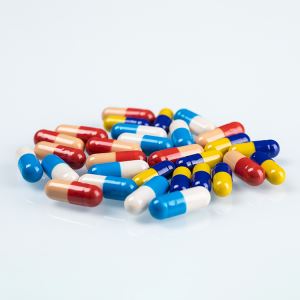

How do I transport blank pill capsules safely?
As a supplier of blank pill capsules, ensuring their safe transportation is not only a matter of maintaining product quality but also a crucial aspect of customer satisfaction and business reputation. In this blog post, I will share some key strategies and considerations for transporting blank pill capsules safely, drawing from my experience in the industry.
Understanding the Nature of Blank Pill Capsules
Before delving into transportation methods, it's essential to understand the characteristics of blank pill capsules. There are different types of capsules available, such as Gelatin Pill Capsules, Fillable Gel Capsule, and Soft Gelatin Capsules. These capsules are typically made from materials like gelatin, vegetarian cellulose, or other polymers. They are fragile, sensitive to environmental conditions, and can be easily damaged or deformed if not handled properly.
Gelatin capsules, for example, are hygroscopic, meaning they absorb moisture from the surrounding environment. Excessive moisture can cause the capsules to become sticky, fuse together, or even degrade their quality. On the other hand, low humidity can make the capsules brittle and prone to cracking. Similarly, temperature fluctuations can also have a significant impact on the integrity of the capsules. High temperatures can soften the capsules, while freezing temperatures can cause them to become hard and brittle.


Pre - transportation Preparations
- Quality Inspection: Before shipping, a thorough quality inspection of the blank pill capsules is necessary. This includes checking for any signs of damage, such as cracks, chips, or deformities. Capsules that do not meet the quality standards should be removed from the batch to prevent any issues during transportation.
- Proper Packaging: Packaging plays a vital role in protecting the capsules during transit. The capsules should be packed in suitable containers that provide adequate protection against physical damage, moisture, and light. For smaller quantities, blister packs or vials can be used. These containers are designed to keep the capsules in place and prevent them from moving around, reducing the risk of breakage.
For larger shipments, bulk containers made of materials like plastic or glass can be used. However, it's important to ensure that these containers are properly sealed to prevent moisture and air from entering. Additionally, the containers should be labeled clearly with information such as the type of capsules, batch number, expiration date, and handling instructions. - Documentation: Accurate documentation is essential for smooth transportation. This includes packing lists, invoices, and shipping labels. The documentation should provide detailed information about the contents of the shipment, including the quantity, type, and value of the blank pill capsules. It should also include any special handling instructions or compliance requirements.
Choosing the Right Transportation Mode
- Air Freight: Air freight is a popular choice for transporting blank pill capsules, especially for international shipments or when speed is of the essence. It offers a relatively short transit time, which helps to minimize the exposure of the capsules to environmental factors. However, it's important to ensure that the capsules are properly packed and labeled to meet the airline's regulations.
- Sea Freight: Sea freight is a more cost - effective option for larger shipments. It allows for the transportation of a significant volume of capsules in a single container. However, sea freight has a longer transit time, which means the capsules are exposed to environmental conditions for a more extended period. To mitigate this risk, it's important to use climate - controlled containers or take other measures to protect the capsules from moisture and temperature fluctuations.
- Road Freight: Road freight is suitable for local or regional shipments. It offers flexibility in terms of pick - up and delivery locations. When using road freight, it's important to ensure that the vehicle is well - maintained and equipped to protect the capsules from vibration, shock, and environmental factors.
Environmental Control During Transportation
- Temperature Control: Maintaining a stable temperature is crucial for transporting blank pill capsules. Many transportation providers offer temperature - controlled options, such as refrigerated trucks or containers. Depending on the type of capsules, the ideal temperature range may vary. For example, gelatin capsules are typically stored and transported at a temperature between 20°C - 25°C (68°F - 77°F) with a relative humidity of 40% - 60%.
- Moisture Control: To prevent moisture absorption, desiccants can be used inside the packaging. Silica gel packets are commonly used desiccants as they are effective in absorbing moisture and are safe to use with pharmaceutical products. Additionally, using moisture - resistant packaging materials can help to keep the capsules dry during transit.
- Vibration and Shock Protection: During transportation, the capsules are exposed to vibrations and shocks. To minimize the risk of damage, it's important to use adequate cushioning materials inside the packaging. Foam inserts, bubble wrap, or other shock - absorbing materials can be used to protect the capsules from impacts.
Monitoring and Tracking During Transit
- Tracking Systems: Most modern transportation providers offer tracking systems that allow you to monitor the location and status of your shipment in real - time. This helps you to stay informed about the progress of the shipment and take appropriate action in case of any delays or issues.
- Environmental Sensors: In addition to tracking the location, environmental sensors can be used to monitor the temperature, humidity, and other environmental conditions inside the shipment. This data can be used to ensure that the capsules are being transported under the optimal conditions. If any deviations from the recommended conditions are detected, corrective actions can be taken immediately.
Post - transportation Checks
Once the shipment arrives at its destination, a final inspection should be conducted. This includes checking the condition of the packaging, the integrity of the capsules, and comparing the actual quantity with the documentation. If any damage or discrepancies are found, the issue should be reported to the transportation provider and appropriate measures should be taken, such as filing a claim.
Conclusion
Transporting blank pill capsules safely requires careful planning, proper packaging, appropriate transportation modes, and continuous monitoring. By understanding the nature of the capsules and taking the necessary precautions, we can ensure that our customers receive high - quality products in perfect condition. If you are interested in purchasing blank pill capsules from us, we would be more than happy to discuss your specific requirements and provide you with a competitive quote. Please feel free to contact us for further information and to start a business negotiation.
References
- "Handbook of Pharmaceutical Manufacturing Formulations: Capsules and Tablets" by Sarfaraz Niazi.
- Guidelines on the Storage and Transport of Pharmaceutical Products provided by relevant pharmaceutical regulatory authorities.