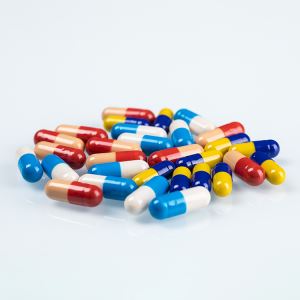

Empty pill capsules are essential components in the pharmaceutical, nutraceutical, and cosmetic industries. As a trusted supplier of empty pill capsules, we often receive inquiries about the shelf life of these products. Understanding how long empty pill capsules last is crucial for both manufacturers and end - users to ensure product quality and safety. In this blog, we will delve into the factors that affect the longevity of empty pill capsules and provide valuable insights for our customers.
Factors Affecting the Shelf Life of Empty Pill Capsules
1. Capsule Material
The material used to make the empty pill capsules is a primary determinant of their shelf life. The two most common types of capsule materials are gelatin and vegetarian alternatives such as hydroxypropyl methylcellulose (HPMC).
-
Gelatin Capsules: Gelatin is a protein derived from animal collagen. Gelatin capsules are known for their excellent solubility and compatibility with a wide range of active ingredients. However, they are sensitive to humidity and temperature. Under normal storage conditions (temperature between 20 - 25°C and relative humidity of 30 - 60%), gelatin capsules typically have a shelf life of 2 - 3 years. Higher humidity can cause the capsules to become sticky and clump together, while extreme temperatures can lead to brittleness or softening. For more information about our Gelatine Capsule, you can visit our dedicated page.
-
HPMC Capsules: HPMC is a plant - based material, making it suitable for vegetarians and vegans. HPMC capsules are more resistant to humidity compared to gelatin capsules. They can generally last 3 - 4 years under proper storage conditions. Their stability makes them a popular choice for products that require a longer shelf life or for those that are sensitive to moisture.
2. Storage Conditions
Proper storage is vital for maximizing the shelf life of empty pill capsules.
- Temperature: Temperature fluctuations can have a significant impact on the integrity of the capsules. High temperatures can accelerate chemical reactions within the capsule material, leading to degradation. It is recommended to store empty pill capsules in a cool, dry place. Avoid storing them in areas prone to heat, such as near heaters or in direct sunlight.
- Humidity: As mentioned earlier, humidity can cause problems for both gelatin and HPMC capsules. Excessive moisture can lead to microbial growth, capsule deformation, and reduced stability of the encapsulated product. A humidity - controlled environment is ideal. Desiccants can be used in storage containers to absorb excess moisture.
- Light: Exposure to light, especially ultraviolet (UV) light, can cause the capsules to discolor and degrade over time. Storing capsules in opaque containers or in a dark room can help protect them from light damage.
3. Packaging
The packaging of empty pill capsules also plays a role in their longevity.
- Sealed Containers: Capsules should be stored in airtight containers to prevent the ingress of moisture, oxygen, and contaminants. Sealed plastic or glass containers are commonly used for this purpose.
- Desiccants: Including desiccants in the packaging can help maintain a low - humidity environment. Silica gel packets are a popular choice as they can absorb moisture effectively.
How to Determine if Empty Pill Capsules are Still Usable
Even within the expected shelf life, it is important to visually inspect the capsules before use.
- Appearance: Check for any signs of discoloration, deformation, or stickiness. For example, if gelatin capsules are sticky or have an unusual odor, they may have been exposed to high humidity and may not be suitable for use.
- Integrity: Ensure that the capsules are intact and have no cracks or holes. Damaged capsules can compromise the quality and stability of the encapsulated product.
- Dissolution Test: If possible, perform a dissolution test to ensure that the capsules dissolve properly in the intended medium. This can help verify their functionality.
The Importance of Using Fresh Empty Pill Capsules
Using fresh empty pill capsules is crucial for several reasons.
- Product Quality: Fresh capsules ensure that the encapsulated product remains stable and effective. Old or degraded capsules may release the active ingredient too slowly or too quickly, affecting the bioavailability of the product.
- Safety: Capsules that have exceeded their shelf life or have been stored improperly may pose a safety risk. Microbial contamination or chemical degradation can lead to adverse effects on the end - user.
Our Product Range and Commitment to Quality
As a leading supplier of empty pill capsules, we offer a wide variety of products to meet the diverse needs of our customers. Our Small Gelatin Capsule is perfect for products that require a smaller dosage form. These capsules are made from high - quality gelatin and are carefully manufactured to ensure consistent quality.
We also provide Clear Gelatin Capsule, which are popular for their transparency, allowing for easy visualization of the encapsulated product. Our manufacturing process adheres to strict quality control standards, ensuring that each capsule meets the highest level of quality and safety.


Contact Us for Your Empty Pill Capsule Needs
If you are in the market for high - quality empty pill capsules, we invite you to contact us. Our team of experts is ready to assist you in choosing the right capsules for your specific requirements. Whether you need a large - scale supply for a pharmaceutical company or a smaller quantity for a nutraceutical startup, we can provide customized solutions.
We understand the importance of product quality and shelf life, and we are committed to providing you with capsules that meet your expectations. Don't hesitate to reach out to us to discuss your procurement needs and start a partnership that will benefit your business.
References
- Pharmaceutical Technology. (2020). Shelf Life and Stability Testing of Pharmaceutical Products.
- Handbook of Encapsulation and Controlled Release. (2013). Edited by David J. Burgess.