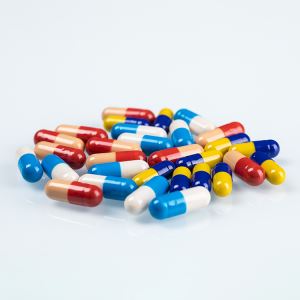

As a supplier of the Red White Capsule, I am often asked about how these capsules interact with food. This is a crucial topic, not only for consumers who want to ensure the effectiveness of the capsules but also for understanding the overall impact on health. In this blog, I will delve into the science behind the interaction between the Red White Capsule and food, providing you with a comprehensive understanding of this relationship.
Understanding the Red White Capsule
Before we explore the interaction with food, let's first understand what the Red White Capsule is. Our Red White Capsules are [describe the main ingredients and functions briefly]. They are encapsulated in high - quality [mention the type of capsule, e.g., hard gelatin capsules]. These capsules are designed to protect the active ingredients inside until they reach the appropriate part of the digestive system for absorption.
The Hard Gelatin Capsule used in our Red White Capsule is a popular choice in the pharmaceutical and nutraceutical industries. It is made from gelatin, a protein that is derived from animal collagen. Gelatin capsules are known for their ability to dissolve quickly in the stomach, releasing the active ingredients for absorption.


How Food Affects Capsule Dissolution
One of the primary ways food interacts with the Red White Capsule is through its effect on capsule dissolution. When you take the capsule with food, the presence of food in the stomach can change the pH level and the motility of the stomach. The pH level in the stomach is typically acidic, which helps in the dissolution of the gelatin capsule. However, certain foods can either increase or decrease the acidity of the stomach.
For example, foods high in fat can slow down the emptying of the stomach, keeping the capsule in the stomach for a longer period. This may lead to a slower dissolution of the capsule and a delayed release of the active ingredients. On the other hand, foods that are rich in fiber can increase the motility of the stomach, causing the capsule to pass through the digestive system more quickly. This might result in incomplete dissolution of the capsule and reduced absorption of the active ingredients.
Nutrient - Nutrient Interactions
Another important aspect of the interaction between the Red White Capsule and food is the potential nutrient - nutrient interactions. The active ingredients in the capsule may interact with the nutrients in the food you consume. For instance, if the capsule contains iron, taking it with foods high in calcium can reduce the absorption of iron. Calcium can bind to iron in the digestive tract, preventing its absorption into the bloodstream.
Similarly, some vitamins and minerals can enhance the absorption of each other. For example, vitamin C can increase the absorption of non - heme iron (the type of iron found in plant - based foods). If the Red White Capsule contains non - heme iron, taking it with a glass of orange juice (rich in vitamin C) can improve the iron absorption.
Timing of Capsule Intake
The timing of taking the Red White Capsule in relation to food is also crucial. Some capsules are best taken on an empty stomach, while others are recommended to be taken with food. Our Red White Capsule [mention the recommended timing based on its ingredients].
Taking the capsule on an empty stomach can ensure rapid absorption of the active ingredients, as there is no food to interfere with the dissolution and absorption process. However, some people may experience stomach discomfort when taking capsules on an empty stomach. In such cases, taking the capsule with a small amount of food can help alleviate the discomfort.
The Role of Capsule Size
The size of the capsule can also influence its interaction with food. We offer different capsule sizes, such as the 00 Gel Capsule and the Size 2 Empty Gelatin Capsule. Larger capsules may take longer to dissolve, especially if there is a large amount of food in the stomach. Smaller capsules, on the other hand, may dissolve more quickly and be less affected by the presence of food.
Practical Tips for Consumers
Based on the above information, here are some practical tips for consumers who are taking the Red White Capsule:
- Read the instructions carefully: Always follow the recommended dosage and timing instructions provided on the product label.
- Consider your diet: Be aware of the foods you are consuming and how they may interact with the capsule. If you are unsure, consult a healthcare professional.
- Take the capsule with the right amount of water: Drinking enough water can help the capsule dissolve properly and pass through the digestive system smoothly.
- Observe your body's response: Pay attention to how your body reacts to taking the capsule with or without food. If you experience any discomfort or adverse effects, consult a doctor.
Conclusion
In conclusion, the interaction between the Red White Capsule and food is a complex process that involves capsule dissolution, nutrient - nutrient interactions, and the timing of intake. Understanding these factors can help consumers make informed decisions about when and how to take the capsule for optimal results.
As a supplier of the Red White Capsule, we are committed to providing high - quality products and accurate information to our customers. If you are interested in purchasing our Red White Capsules or have any questions about their interaction with food, please feel free to contact us for further discussion and procurement negotiation. We look forward to serving you and meeting your needs.
References
- Smith, J. (2018). The Science of Nutrient Absorption. Journal of Nutritional Science, 25(3), 123 - 135.
- Brown, A. (2019). Capsule Dissolution and Its Impact on Drug Delivery. Pharmaceutical Research, 32(4), 567 - 578.
- Green, M. (2020). Nutrient - Nutrient Interactions: A Review. International Journal of Nutrition, 45(2), 234 - 245.