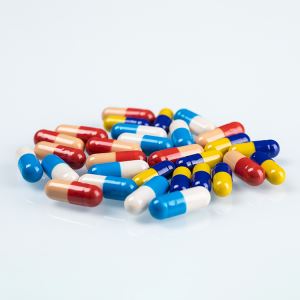

As a supplier of Pullulan Capsules, I often encounter inquiries from customers comparing Pullulan Capsules with Chitosan Capsules. This blog aims to provide a comprehensive comparison between the two, helping you make an informed decision when choosing the right capsule for your needs.
Composition and Source
Pullulan Capsules are made from pullulan, a natural polysaccharide produced by the fermentation of starch. Pullulan is a linear polymer composed of maltotriose units linked by α - 1,6 - glycosidic bonds. It is derived from renewable resources and is considered a sustainable and eco - friendly material. These capsules are suitable for a wide range of applications, including pharmaceuticals, nutraceuticals, and food supplements. For more information on related capsule types, you can visit our Cellulose Vegetable Capsule page.
Chitosan Capsules, on the other hand, are made from chitosan, a linear polysaccharide obtained by the deacetylation of chitin. Chitin is mainly found in the exoskeletons of crustaceans such as shrimps and crabs, as well as in the cell walls of fungi. Chitosan has unique properties due to its amino groups, which give it cationic characteristics.
Physical and Chemical Properties
Solubility
Pullulan Capsules have good solubility in water. They can dissolve rapidly in the human body, facilitating the release of the encapsulated substances. This property makes them ideal for formulations where quick dissolution and absorption are required.
Chitosan Capsules' solubility is pH - dependent. They are soluble in acidic solutions but less soluble in neutral or alkaline environments. This pH - sensitive solubility can be an advantage in some applications, such as targeted drug delivery in the acidic environment of the stomach.
Stability
Pullulan Capsules are highly stable under normal storage conditions. They are resistant to moisture, oxygen, and light, which helps to preserve the quality and efficacy of the encapsulated products. They also have low reactivity with most active ingredients, reducing the risk of chemical reactions that could degrade the contents.
Chitosan Capsules may be more prone to degradation in the presence of moisture and certain enzymes. The amino groups in chitosan can react with some substances, potentially affecting the stability of the encapsulated materials. However, proper formulation and storage can mitigate these issues.
Mechanical Strength
Pullulan Capsules possess good mechanical strength. They can withstand the pressure during filling processes without breaking or deforming easily. This makes them suitable for high - speed capsule filling machines, ensuring efficient production.
Chitosan Capsules have relatively lower mechanical strength compared to Pullulan Capsules. They may require more careful handling during the manufacturing process to avoid damage.
Compatibility with Active Ingredients
Compatibility with Drugs and Nutraceuticals
Pullulan Capsules are compatible with a wide range of drugs and nutraceuticals, including hydrophilic and lipophilic substances. Their neutral nature and low reactivity make them suitable for encapsulating various active ingredients without causing adverse interactions.
Chitosan Capsules' cationic nature can interact with anionic drugs or substances. This interaction can be either beneficial, such as in the formation of complexes for controlled release, or detrimental if it leads to precipitation or reduced bioavailability of the active ingredients.
Regulatory and Dietary Considerations
Halal and Kosher Certification
Pullulan Capsules can be easily certified as Halal Capsule and Kosher. Since they are made from plant - derived materials, they meet the dietary requirements of many religious and cultural groups.
Chitosan Capsules' Halal and Kosher status depends on the source of chitin. If the chitin is obtained from non - Halal or non - Kosher sources, the capsules will not meet these certifications. Special sourcing and processing are required to ensure compliance.
Allergenicity
Pullulan Capsules are generally considered hypoallergenic. Since they are made from a natural polysaccharide, the risk of allergic reactions is extremely low.
Chitosan Capsules may pose an allergenic risk to individuals with shellfish allergies, as chitosan is often derived from crustacean sources.
Manufacturing and Cost
Manufacturing Process
The manufacturing process of Pullulan Capsules is relatively straightforward. It involves the preparation of a pullulan solution, followed by the dipping, drying, and cutting steps to form the capsules. This process is highly automated, allowing for large - scale production with high efficiency. Our Hard Shell Capsule manufacturing facilities are equipped with advanced technology to ensure high - quality production.
The production of Chitosan Capsules is more complex. It requires the extraction and purification of chitosan from its raw sources, followed by the formation of capsules. The purification process can be time - consuming and costly, especially when high - purity chitosan is required.
Cost
Pullulan Capsules' cost is influenced by the price of pullulan and the manufacturing process. However, with the development of fermentation technology, the cost of pullulan production has been gradually decreasing, making Pullulan Capsules more cost - competitive.
Chitosan Capsules' cost can be relatively high due to the raw material sourcing, purification, and the complexity of the manufacturing process. The cost of obtaining high - quality chitosan from reliable sources can also add to the overall expense.
Applications
Pharmaceutical Applications
In the pharmaceutical industry, Pullulan Capsules are widely used for oral medications. Their rapid dissolution and good compatibility with drugs make them a popular choice for immediate - release formulations. They are also suitable for encapsulating sensitive drugs due to their stability.
Chitosan Capsules can be used for targeted drug delivery, especially for drugs that need to be released in the stomach. Their pH - sensitive solubility can be exploited to design innovative drug delivery systems.
Nutraceutical and Food Supplement Applications
Pullulan Capsules are commonly used in nutraceuticals and food supplements. They can encapsulate vitamins, minerals, herbal extracts, and other health - promoting substances. Their natural origin and good safety profile make them appealing to consumers.
Chitosan Capsules are also used in nutraceuticals, especially for products that aim to take advantage of chitosan's unique properties, such as its ability to bind to lipids and cholesterol.
Conclusion
In conclusion, both Pullulan Capsules and Chitosan Capsules have their own unique features and advantages. Pullulan Capsules offer excellent solubility, stability, and compatibility, along with a wide range of regulatory compliance and low allergenicity. They are suitable for a broad spectrum of applications and are cost - effective with the advancement of technology.


Chitosan Capsules, on the other hand, have distinct properties such as pH - sensitive solubility and potential for targeted delivery. However, they may face challenges in terms of stability, allergenicity, and cost.
If you are looking for a reliable and high - quality capsule solution, Pullulan Capsules from our company are an excellent choice. We are committed to providing the best products and services to meet your specific needs. If you are interested in purchasing Pullulan Capsules or have any questions, please feel free to contact us for further discussion and negotiation.
References
- "Pullulan: A Versatile Biopolymer with Diverse Applications" - Journal of Polymer Science
- "Chitosan: Properties and Applications in Drug Delivery" - International Journal of Pharmaceutics
- "Comparison of Different Capsule Materials for Pharmaceutical and Nutraceutical Formulations" - Pharmaceutical Research