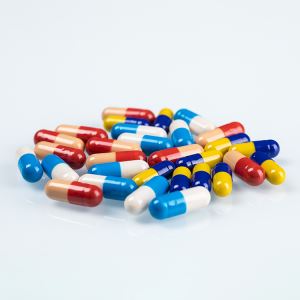

Hey there! As a supplier of Medicine Capsules, I often get asked a bunch of interesting questions about our products. One question that pops up pretty frequently is, “Do medicine capsules have any expiration indicators?” Well, let's dive right into this topic and find out.
First off, what are medicine capsules anyway? Medicine capsules are a super common way to deliver drugs or supplements. They're made to hold the active ingredients and make them easy to swallow. We've got different types, like the Large Gel Capsule, which can hold a relatively large amount of the substance inside, and the eye - catching Blue White Capsule.


Now, back to the expiration indicators. The simple answer is yes and no. Most of the time, medicine capsules don't have built - in expiration indicators like some high - tech products. But that doesn't mean we can't tell when they're going bad.
Let's start with the official expiration date. Every batch of medicine capsules we produce comes with an expiration date clearly labeled on the packaging. This date is determined through a series of stability tests. During these tests, the capsules are stored under different conditions, such as varying temperatures and humidity levels. Scientists then analyze how the active ingredients and the capsule shell change over time. Based on these results, they can figure out how long the capsules will remain effective and safe to use.
For example, if a capsule contains a certain antibiotic, the stability test will show how the antibiotic's potency decreases over time. Once it drops below an acceptable level, the capsule is considered expired. The expiration date on the label gives you a general idea of how long you can keep the capsules before you should toss them.
But the expiration date isn't the only thing to look out for. There are some physical signs that can also tell you if a capsule has gone bad. One of the most obvious signs is a change in appearance. If the capsule shell looks discolored, cracked, or sticky, it's a red flag. Discoloration could mean that the capsule material has started to break down or that the active ingredients are reacting with the shell. A cracked capsule might have allowed air and moisture to get inside, which can degrade the contents. And a sticky capsule could be a result of the shell absorbing moisture, which can also affect the stability of the medicine.
Smell is another important indicator. If a capsule usually has a mild or neutral smell but suddenly develops a strong, unpleasant odor, it's likely expired or spoiled. This could be due to the breakdown of the active ingredients or the growth of microorganisms.
Taste can also give you clues, although it's not recommended that you taste an expired or suspected - bad capsule. If a capsule tastes off, different from how it's supposed to, it might be time to throw it away.
One of the factors that can speed up the expiration process is the storage conditions. Capsules should be stored in a cool, dry place. Heat and humidity can really do a number on them. For instance, if you leave a bottle of capsules in a hot car or in a bathroom cabinet where there's a lot of steam, the capsules might expire much earlier than the labeled date.
Another thing is light. Some active ingredients in capsules are sensitive to light. So, storing them in a dark container or at least keeping them away from direct sunlight can help prolong their shelf - life.
As a Medicine Capsule supplier, we take great care in ensuring the quality and safety of our products. We use high - quality materials for the capsule shells and follow strict manufacturing processes. Our quality control team conducts regular checks to make sure that every batch of capsules meets the highest standards.
When it comes to the expiration of capsules, we also provide clear information to our customers. We work with researchers and regulatory bodies to accurately determine the expiration dates based on the latest scientific knowledge.
Now, you might be wondering why it's so important to pay attention to the expiration of medicine capsules. Using expired capsules can have serious consequences. The active ingredients might not work as effectively, which means you won't get the full benefits of the treatment. In some cases, expired capsules could even be harmful. The breakdown products could cause allergic reactions or other health problems.
So, what should you do if you find some old capsules at home? First, check the expiration date on the label. If it's passed, it's time to get rid of them. You can't just throw them in the trash or flush them down the toilet because that can have an impact on the environment. Instead, look for local pharmacy or hospital take - back programs where you can safely dispose of expired medicines.
As a supplier, we're always here to answer your questions about our medicine capsules. Whether it's about storage, expiration, or any other aspect, feel free to reach out. If you're in the market for high - quality medicine capsules for your business, we'd love to have a chat with you. We offer a wide range of options to meet your specific needs. So, don't hesitate to contact us for a purchase and start a great business partnership!
References
- "Pharmaceutical Dosage Forms: Tablets Volume 1" by H. Lieberman, et al.
- "Remington: The Science and Practice of Pharmacy" by Alfonso R. Gennaro