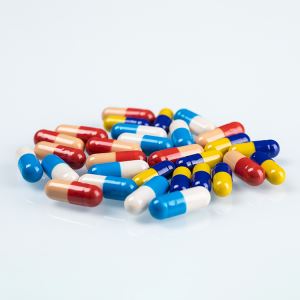

In the pharmaceutical and nutraceutical industries, capsules are a popular choice for delivering various substances. Gelatin capsules have long been the industry standard, but in recent years, hydroxypropyl methylcellulose (HPMC) capsules have emerged as a viable alternative, especially for consumers with specific dietary requirements. One question that often arises is whether HPMC capsules have a different sealing mechanism from gelatin capsules. As a supplier of HPMC capsules, I will delve into this topic to provide a comprehensive understanding.
The Basics of Capsule Sealing
Before we compare the sealing mechanisms of HPMC and gelatin capsules, it's essential to understand the general concept of capsule sealing. The primary purpose of sealing a capsule is to prevent the contents from leaking out and to protect them from external factors such as moisture, oxygen, and light. A proper seal ensures the stability and integrity of the encapsulated product throughout its shelf life.
Sealing Mechanism of Gelatin Capsules
Gelatin capsules are made from collagen, a protein derived from animal sources such as bovine or porcine hides and bones. The sealing of gelatin capsules typically relies on a process called banding. In this process, a thin layer of gelatin solution is applied around the joint between the cap and the body of the capsule. The gelatin solution adheres to the capsule surfaces and forms a seal as it dries.
The banding process for gelatin capsules is relatively straightforward and has been well-established in the industry. The gelatin used for banding has similar properties to the capsule material, which allows for a strong and reliable seal. However, the banding process requires careful control of factors such as the temperature, humidity, and viscosity of the gelatin solution to ensure consistent sealing quality.


Sealing Mechanism of HPMC Capsules
HPMC capsules are made from a plant-based polymer, hydroxypropyl methylcellulose, which is derived from cellulose. Unlike gelatin capsules, HPMC capsules do not require a separate banding process for sealing in most cases. The design of HPMC capsules itself provides a tight fit between the cap and the body, which creates a natural seal.
The tight fit of HPMC capsules is achieved through precision manufacturing techniques. During the production process, the dimensions of the cap and the body are carefully controlled to ensure a snug fit. This mechanical seal is sufficient to prevent the leakage of most powdered or granular contents.
In some applications where a higher level of sealing is required, HPMC capsules can also be banded. However, the banding material for HPMC capsules is typically a solution of HPMC or a similar polymer. This is because using a compatible material ensures that the banding adheres well to the capsule surfaces and forms a strong seal.
Advantages of the HPMC Capsule Sealing Mechanism
The sealing mechanism of HPMC capsules offers several advantages over that of gelatin capsules.
- Simplified Process: As mentioned earlier, HPMC capsules can achieve a seal without the need for a separate banding process in many cases. This simplifies the encapsulation process and reduces production time and costs. Manufacturers can save on equipment, labor, and materials associated with the banding process.
- Better Compatibility with Contents: HPMC is a chemically inert material, which means it has minimal interaction with the encapsulated contents. This is particularly important for sensitive substances such as vitamins, probiotics, and herbal extracts. In contrast, gelatin may interact with certain substances, potentially affecting their stability or efficacy.
- Suitability for Special Applications: HPMC capsules are more suitable for applications where moisture or heat sensitivity is a concern. The banding process for gelatin capsules involves the use of a gelatin solution, which contains water. This can introduce moisture into the capsule, which may be detrimental to moisture-sensitive contents. HPMC capsules, on the other hand, can be sealed without the addition of moisture, making them a better choice for such applications.
Considerations for Sealing Quality
While the sealing mechanism of HPMC capsules offers many advantages, ensuring consistent sealing quality is still crucial. Here are some considerations for maintaining high sealing quality in HPMC capsules:
- Manufacturing Precision: As the sealing of HPMC capsules relies on the mechanical fit between the cap and the body, precise manufacturing is essential. Manufacturers need to use advanced equipment and quality control measures to ensure that the dimensions of the capsules are within the specified tolerances.
- Environmental Conditions: The storage and handling of HPMC capsules can also affect the sealing quality. Extreme temperatures and humidity can cause the HPMC material to expand or contract, which may compromise the seal. It's important to store HPMC capsules in a controlled environment to maintain their integrity.
- Compatibility with Filling Materials: Although HPMC is generally compatible with a wide range of filling materials, some substances may have unique properties that could affect the sealing. For example, certain oily or sticky substances may interfere with the mechanical seal of HPMC capsules. In such cases, additional sealing measures may be required.
Conclusion
In conclusion, HPMC capsules do have a different sealing mechanism from gelatin capsules. While gelatin capsules typically rely on a banding process using gelatin solution, HPMC capsules often achieve a seal through a tight mechanical fit between the cap and the body. The sealing mechanism of HPMC capsules offers several advantages, including a simplified process, better compatibility with contents, and suitability for special applications.
As a supplier of HPMC capsules, we are committed to providing high-quality products with excellent sealing performance. Our HPMC capsules are manufactured using state-of-the-art technology and strict quality control measures to ensure consistent sealing quality. If you are looking for Empty Vegetable Capsule, Vacant Hard Capsule, or Vegetarian Collagen Capsule, we invite you to contact us for more information and to discuss your specific requirements. We look forward to the opportunity to work with you and provide you with the best capsule solutions for your products.
References
- "Pharmaceutical Capsules: Technology and Characterization" by Ram B. Gupta
- "Handbook of Pharmaceutical Excipients" by Raymond C. Rowe, Paul J. Sheskey, and Marian E. Quinn