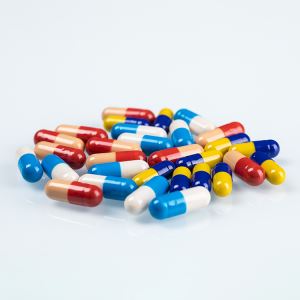

Do blank pill capsules have an expiration date? This is a question that often comes up among those in the pharmaceutical, nutraceutical, and herbal supplement industries. As a supplier of blank pill capsules, I've encountered this query numerous times, and today, I'd like to delve into this topic in detail.
Understanding Blank Pill Capsules
Before we discuss the expiration date, let's first understand what blank pill capsules are. Blank pill capsules, also known as Empty Capsule, are essentially shells used to encapsulate various substances such as powders, granules, or liquids. They come in different sizes, materials, and colors. The most common type of blank pill capsules is the Natural Gelatin Capsule, which is made from gelatin derived from animal sources. Another popular option is vegetarian capsules, which are typically made from plant-based materials like cellulose.
Factors Affecting the Shelf Life of Blank Pill Capsules
Several factors can influence the shelf life of blank pill capsules. The primary factors include the material of the capsule, storage conditions, and the presence of any contaminants.
Material of the Capsule
As mentioned earlier, the most common material for blank pill capsules is gelatin. Gelatin capsules are generally stable but can be affected by moisture, heat, and light. Over time, gelatin can absorb moisture from the environment, which can cause the capsules to become soft, sticky, or even moldy. On the other hand, vegetarian capsules, such as those made from cellulose, are more resistant to moisture but can be affected by high temperatures.
Storage Conditions
Proper storage is crucial for maintaining the quality and shelf life of blank pill capsules. Capsules should be stored in a cool, dry place away from direct sunlight and heat sources. Ideal storage temperatures range from 20°C to 25°C (68°F to 77°F) with a relative humidity of 35% to 65%. Storing capsules in a humid environment can accelerate the degradation process, while exposure to high temperatures can cause the capsules to melt or deform.
Presence of Contaminants
Contaminants such as bacteria, fungi, or other microorganisms can also affect the shelf life of blank pill capsules. Capsules that are contaminated during the manufacturing process or during storage can spoil more quickly. To prevent contamination, it's essential to ensure that the manufacturing facility follows strict quality control measures and that the capsules are stored in clean, sealed containers.
Do Blank Pill Capsules Have an Expiration Date?
The short answer is yes, blank pill capsules do have an expiration date. Most manufacturers label their capsules with an expiration date, which indicates the date until which the capsules are guaranteed to be of acceptable quality. The expiration date is typically determined through stability testing, which involves storing the capsules under various conditions and monitoring their quality over time.
The expiration date of blank pill capsules can vary depending on the material and storage conditions. Gelatin capsules generally have a shelf life of 12 to 24 months when stored properly, while vegetarian capsules can have a shelf life of up to 36 months. However, it's important to note that these are just general guidelines, and the actual shelf life of the capsules may vary.
Signs of Expired Blank Pill Capsules
It's crucial to be able to recognize the signs of expired blank pill capsules to ensure the safety and efficacy of the products they are used in. Some common signs of expired capsules include:


- Physical Changes: Expired capsules may appear discolored, cracked, or brittle. They may also feel sticky or soft to the touch.
- Odor: If the capsules have a strange or unpleasant odor, it could be a sign that they have expired.
- Mold or Mildew: The presence of mold or mildew on the capsules is a clear indication that they have spoiled and should not be used.
- Poor Performance: Expired capsules may not seal properly or may break easily, which can affect the quality of the final product.
Using Expired Blank Pill Capsules
Using expired blank pill capsules is not recommended. Expired capsules may not provide the same level of protection or performance as fresh capsules. They may also pose a risk to the health of the end-users, as they could contain harmful contaminants or have degraded to the point where they are no longer safe to use.
If you come across expired blank pill capsules, it's best to dispose of them properly. Do not attempt to use them in any products, as this could compromise the quality and safety of the final product.
Importance of Quality Control in Blank Pill Capsule Manufacturing
As a supplier of blank pill capsules, I understand the importance of quality control in ensuring the safety and efficacy of our products. At our manufacturing facility, we follow strict quality control measures at every stage of the production process, from raw material sourcing to final packaging.
We use only high-quality raw materials that meet the strictest industry standards. Our manufacturing process is carefully monitored to ensure that the capsules are produced under clean, controlled conditions. We also conduct regular stability testing to determine the expiration date of our capsules and to ensure that they maintain their quality over time.
Choosing the Right Blank Pill Capsules for Your Needs
When choosing blank pill capsules for your products, it's important to consider several factors, including the type of product you are encapsulating, the desired shelf life, and the storage conditions.
If you are encapsulating a moisture-sensitive product, such as a powder or a liquid, you may want to consider using vegetarian capsules, which are more resistant to moisture. On the other hand, if you are encapsulating a dry product, such as a herbal supplement, gelatin capsules may be a suitable option.
It's also important to choose capsules from a reputable supplier who follows strict quality control measures and provides clear information about the expiration date and storage requirements of their products.
Conclusion
In conclusion, blank pill capsules do have an expiration date, and it's important to pay attention to this date to ensure the safety and efficacy of the products they are used in. By understanding the factors that affect the shelf life of the capsules and following proper storage and handling procedures, you can extend the life of your capsules and ensure that they perform as expected.
If you are in the market for high-quality blank pill capsules, we invite you to contact us to discuss your specific needs. Our team of experts is dedicated to providing you with the best possible products and services, and we look forward to working with you to meet your encapsulation needs.
References
- European Pharmacopoeia. (2023). General chapter 5.19. Stability testing of active substances and pharmaceutical products.
- United States Pharmacopeia. (2023). General chapter <1150> Stability Testing of Drug Substances and Products.
- International Council for Harmonisation of Technical Requirements for Pharmaceuticals for Human Use. (2017). Q1A(R2) Stability testing of new drug substances and products.