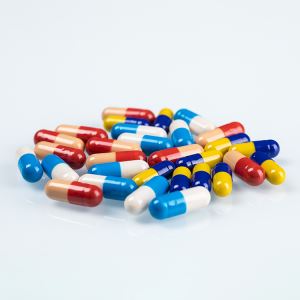

Can hard gelatin capsules be used for liquid medications? This is a question that often arises in the pharmaceutical and nutraceutical industries. As a long - standing hard gelatin capsule supplier, I've had numerous discussions with clients about this very topic. In this blog, I'll explore the viability of using hard gelatin capsules for liquid medications, delving into the science, benefits, challenges, and best practices.
The Science Behind Hard Gelatin Capsules
Hard gelatin capsules are a popular dosage form made from gelatin, a protein derived from animal collagen. They consist of two parts: a body and a cap, which fit together to enclose the medication. Gelatin is known for its excellent film - forming properties, biocompatibility, and wide acceptance in the pharmaceutical market.
When it comes to liquid medications, the key consideration is the interaction between the liquid and the gelatin capsule. Gelatin is a hydrophilic polymer, meaning it has an affinity for water. Most liquid medications can be classified into aqueous (water - based) and non - aqueous (oil - based) solutions.
Aqueous liquids can pose a challenge for hard gelatin capsules. The water in the liquid can be absorbed by the gelatin, causing the capsule to soften, deform, or even dissolve prematurely. This can lead to issues such as leakage of the medication and instability of the dosage form. On the other hand, non - aqueous liquids, especially those based on oils, are generally more compatible with hard gelatin capsules. Oils do not interact with gelatin in the same way as water, and they can provide a stable environment for the active ingredients.
Benefits of Using Hard Gelatin Capsules for Liquid Medications
- Masking of Taste and Odor: Liquid medications can sometimes have an unpleasant taste or odor. Hard gelatin capsules can effectively mask these sensory attributes, making the medication more palatable for patients. This is particularly important for pediatric and geriatric patients who may be more sensitive to taste and smell.
- Accurate Dosage: Capsules offer a precise and consistent dosage of the liquid medication. Each capsule can be filled with a specific volume of the liquid, ensuring that patients receive the correct amount of the active ingredient every time.
- Ease of Administration: Hard gelatin capsules are easy to swallow compared to some liquid medications, especially those with a thick or viscous consistency. This can improve patient compliance, which is crucial for the effectiveness of the treatment.
- Protection of Active Ingredients: The gelatin shell of the capsule can protect the liquid medication from environmental factors such as light, air, and moisture. This can enhance the stability of the active ingredients and extend the shelf - life of the product.
Challenges and Limitations
- Compatibility Issues: As mentioned earlier, aqueous liquids can cause problems with hard gelatin capsules. In addition, some liquid medications may contain ingredients that can react with the gelatin, leading to chemical degradation or physical changes in the capsule. For example, strong acids or bases in the liquid can break down the gelatin structure.
- Filling Process Complexity: Filling hard gelatin capsules with liquids requires specialized equipment and techniques. The viscosity of the liquid, the presence of suspended particles, and the need for precise dosing all add to the complexity of the filling process. Ensuring that the capsules are filled accurately and without leakage is a critical challenge.
- Storage Conditions: Liquid - filled hard gelatin capsules may require specific storage conditions to maintain their integrity. For example, they may need to be stored at a controlled temperature and humidity to prevent the capsule from drying out or becoming too soft.
Best Practices for Using Hard Gelatin Capsules with Liquid Medications
- Select the Right Liquid Formulation: Choose non - aqueous liquids or formulations with low water activity to minimize the interaction with the gelatin. For example, oils, glycerides, and some alcohol - based solutions are often good choices.
- Conduct Compatibility Testing: Before large - scale production, it's essential to conduct compatibility testing between the liquid medication and the hard gelatin capsule. This can help identify any potential issues such as chemical reactions, physical changes, or degradation of the active ingredients.
- Use Appropriate Filling Equipment: Invest in high - quality filling equipment that is designed for liquid - filled capsules. The equipment should be able to handle the viscosity of the liquid and ensure accurate dosing. Some modern filling machines use advanced technologies such as piston - filling or peristaltic pumps to achieve precise filling.
- Control Storage Conditions: Provide clear instructions on the storage conditions for the liquid - filled hard gelatin capsules. This may include storing them at a specific temperature range and protecting them from excessive moisture and light.
Examples of Liquid Medications in Hard Gelatin Capsules
There are many examples of liquid medications that are successfully formulated in hard gelatin capsules. For instance, some dietary supplements containing fish oil, which is a non - aqueous liquid rich in omega - 3 fatty acids, are commonly available in hard gelatin capsules. These capsules protect the fish oil from oxidation and provide a convenient way for consumers to take their daily dose of omega - 3s. Another example is some pharmaceutical products containing oily solutions of vitamins or herbal extracts.


Our Offerings as a Hard Gelatin Capsule Supplier
As a reliable hard gelatin capsule supplier, we offer a wide range of products to meet the needs of the pharmaceutical and nutraceutical industries. Our 00 Gel Capsule is a popular choice for liquid - filled applications. It has a large capacity and is suitable for encapsulating a variety of liquid medications. We also provide Pill Capsules in different sizes and specifications, ensuring that you can find the right capsule for your specific product. And our Empty Hard Capsule options are of the highest quality, made from pure gelatin and meeting strict quality standards.
If you're considering using hard gelatin capsules for your liquid medications, we'd be more than happy to assist you. Our team of experts can provide technical support, conduct compatibility testing, and offer guidance on the filling process. We understand the challenges and opportunities in this area, and we're committed to helping you develop a successful product.
Conclusion
In conclusion, hard gelatin capsules can be used for liquid medications, but it requires careful consideration of the formulation, compatibility, and filling process. By following the best practices and using high - quality capsules, it is possible to overcome the challenges and reap the benefits of this dosage form. As a hard gelatin capsule supplier, we are dedicated to providing our customers with the best solutions for their liquid - filled capsule needs. If you have any questions or are interested in discussing a potential project, please feel free to reach out to us for further information and to start a procurement negotiation.
References
- Pharmaceutical Dosage Forms: Tablets, Volume 1, Third Edition, Edited by Herbert A. Lieberman, Leonard Lachman, and Joseph B. Schwartz.
- Remington: The Science and Practice of Pharmacy, 22nd Edition, Edited by Philip B. Troy.
- Handbook of Pharmaceutical Excipients, 7th Edition, Edited by Raymond C. Rowe, Paul J. Sheskey, and Marian E. Quinn.