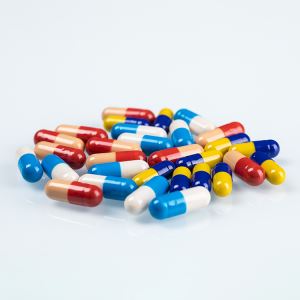

Are empty capsules recyclable? This is a question that has piqued the interest of many in the pharmaceutical and nutraceutical industries, as well as among environmentally - conscious consumers. As a supplier of empty capsules, I've delved deep into this topic to understand the implications of recycling these small yet essential components.
The Composition of Empty Capsules
First, let's take a look at what empty capsules are made of. The most common types are hard gelatin capsules and vegetarian capsules. Hard gelatin capsules are typically derived from animal by - products, mainly collagen from bovine or porcine sources. On the other hand, vegetarian capsules are often made from materials like hydroxypropyl methylcellulose (HPMC) or pullulan.
The composition of these capsules plays a crucial role in determining their recyclability. Gelatin capsules, for example, are biodegradable to an extent. Gelatin is a natural protein, and under the right conditions, it can break down over time. However, the process is not as straightforward as one might think. In a landfill, the lack of oxygen and appropriate microbial activity can slow down the biodegradation process significantly.
Vegetarian capsules made from HPMC or pullulan also have their own characteristics. HPMC is a semi - synthetic polymer, and while it is generally considered more environmentally friendly than some other synthetic materials, its recyclability is still a subject of research. Pullulan, a natural polysaccharide, is biodegradable, but again, the practicality of recycling these capsules on a large scale is a challenge.
Current Recycling Practices
Currently, the recycling of empty capsules is not a widespread practice. There are several reasons for this. One of the main issues is the presence of contaminants. Empty capsules that have been used in pharmaceutical or nutraceutical applications may have residues of the drugs or supplements they once contained. These residues can make the recycling process complicated, as they need to be removed to ensure the quality of the recycled material.
Another challenge is the lack of infrastructure. Recycling facilities are not specifically designed to handle empty capsules. The sorting and processing equipment in existing recycling plants are mainly geared towards more common materials like plastics, paper, and metals. Adapting these facilities to recycle empty capsules would require significant investment in new technology and equipment.
Despite these challenges, some small - scale initiatives have been attempted. For example, in some research laboratories, efforts have been made to break down gelatin capsules into their basic components and reuse them in other applications. However, these are still in the experimental stage and have not been translated into large - scale commercial recycling operations.
Environmental Impact of Non - Recycling
The non - recycling of empty capsules has a certain environmental impact. When empty capsules end up in landfills, they take up space and contribute to the overall waste volume. As mentioned earlier, although some types of capsules are biodegradable, the landfill environment may not be conducive to efficient biodegradation.
In addition, the production of new capsules requires the use of raw materials and energy. For gelatin capsules, the production involves the processing of animal by - products, which has its own environmental footprint in terms of animal farming and processing. For vegetarian capsules, the extraction and synthesis of materials like HPMC and pullulan also consume resources. Recycling empty capsules could potentially reduce the demand for new raw materials and energy, thus having a positive impact on the environment.

Future Possibilities
Looking ahead, there is potential for the recycling of empty capsules to become more common. With the growing emphasis on sustainability in the pharmaceutical and nutraceutical industries, companies may be more motivated to invest in research and development of recycling technologies.
One possible solution is to develop a closed - loop system. In this system, empty capsules could be collected directly from manufacturers, pharmacies, or consumers, and then processed back into new capsules. This would require cooperation between different stakeholders in the supply chain, including capsule suppliers, pharmaceutical companies, and recycling facilities.
Another approach could be to modify the design of empty capsules to make them more recyclable. For example, developing capsules with fewer contaminants or using materials that are easier to break down and recycle.
Our Role as an Empty Capsule Supplier
As an empty capsule supplier, we are aware of the importance of this issue. We are committed to exploring ways to make our products more sustainable. We offer a variety of high - quality empty capsules, such as Size 0 Hard Gelatin Capsule, Empty Hard Gelatin Capsule, and Size 0 Vacant Capsule.
We are also in the process of researching new materials and manufacturing processes that could potentially improve the recyclability of our capsules. We believe that by working closely with our customers and partners, we can contribute to the development of a more sustainable future for the empty capsule industry.
Contact Us for Procurement
If you are interested in purchasing our empty capsules, we invite you to contact us for procurement discussions. We can provide you with detailed information about our products, pricing, and delivery options. Whether you are a pharmaceutical company, a nutraceutical manufacturer, or a distributor, we are ready to meet your needs.
References
- "Biodegradation of Gelatin - Based Materials" by Journal of Biomaterials Science.
- "Environmental Impact of Pharmaceutical Packaging" by Environmental Science and Technology.
- "Sustainable Practices in the Nutraceutical Industry" by Nutraceuticals Today.