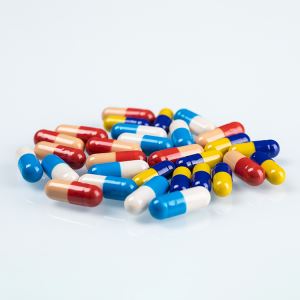

As a trusted supplier of empty hard capsules, I often receive inquiries from clients about what types of substances can be filled into these capsules. In this blog post, I'll explore the diverse range of substances that are suitable for filling empty hard capsules, along with some important considerations.
Pharmaceuticals
One of the most common applications of empty hard capsules is in the pharmaceutical industry. They are widely used to encapsulate various medications, including tablets, powders, and granules.
Powders
Powders are perhaps the most straightforward substance to fill into empty hard capsules. Many pharmaceutical drugs are available in powder form, which can be easily measured and filled into capsules. For example, antibiotics, vitamins, and dietary supplements are often formulated as powders and then encapsulated for easy ingestion. The capsules provide a convenient and accurate way to deliver the correct dosage of the medication. When using powders, it's important to ensure that the particle size is appropriate to prevent clogging during the filling process.
Granules
Granules are another popular choice for encapsulation. They are formed by agglomerating fine powder particles into larger, more free - flowing units. Granules offer several advantages over powders, such as better flowability and reduced dust generation. This makes them easier to handle during the filling process. In the pharmaceutical field, granules can contain controlled - release formulations, where the active ingredient is released slowly over time. This allows for a more sustained therapeutic effect. For instance, some long - acting painkillers are formulated as granules and filled into Size 0 Empty Hard Gelatin Capslue Shells to provide extended pain relief.


Liquids
Although less common than powders and granules, liquids can also be filled into special types of hard capsules. Soft gelatin capsules are typically used for liquid fillings, but there are also hard capsules designed to hold liquids. These capsules are often made from materials that are resistant to the liquid's properties. For example, some oils and suspensions can be encapsulated. Liquid - filled capsules can provide faster absorption of the active ingredient in some cases, as they don't require dissolution of a solid form. However, filling liquids into hard capsules requires specialized equipment and careful consideration of the compatibility between the liquid and the capsule material.
Nutraceuticals
The nutraceutical industry also makes extensive use of empty hard capsules. Nutraceuticals are products that combine the benefits of nutrition and pharmaceuticals, such as dietary supplements, herbal extracts, and functional foods.
Dietary Supplements
Empty hard capsules are an ideal choice for encapsulating dietary supplements. Vitamins, minerals, and amino acids are commonly filled into capsules. For example, a multivitamin supplement can be formulated as a powder blend of various vitamins and minerals and then filled into Size 0 Hard Gelatin Capsule. These capsules provide a convenient way for consumers to meet their daily nutritional requirements. Additionally, some supplements, like fish oil capsules, are filled with liquid omega - 3 fatty acids. The capsule protects the oil from oxidation and makes it easier to swallow.
Herbal Extracts
Herbal extracts are another popular nutraceutical product filled into empty hard capsules. Many herbs have medicinal properties, and their extracts can be concentrated and encapsulated for easy consumption. For example, ginseng extract, which is believed to have adaptogenic properties, can be dried into a powder and filled into capsules. Encapsulating herbal extracts helps to preserve their potency and makes them more palatable, as some herbal extracts may have a strong taste or odor.
Cosmetics and Personal Care Products
In recent years, empty hard capsules have also found applications in the cosmetics and personal care industry.
Topical Treatments
Some topical treatments can be filled into capsules for controlled delivery. For example, serums containing antioxidants or anti - aging ingredients can be encapsulated. When the capsule is broken, the serum can be applied directly to the skin. This provides a fresh and concentrated dose of the active ingredients. Capsules can also be used to protect the ingredients from degradation due to exposure to air, light, and moisture.
Oral Cosmetics
There is a growing trend in oral cosmetics, where substances that are beneficial for skin, hair, and nails are taken orally. These can include collagen peptides, biotin, and hyaluronic acid. Empty hard capsules are an excellent way to deliver these substances in a convenient and accurate dosage. For example, 00 Pill Capsule can be filled with a blend of collagen and other beauty - enhancing ingredients, providing a simple way for consumers to support their beauty from within.
Food and Beverage
Empty hard capsules can also be used in the food and beverage industry, although this application is less widespread compared to the pharmaceutical and nutraceutical sectors.
Flavorings and Spices
Some flavorings and spices can be encapsulated for use in cooking or food manufacturing. For example, a concentrated spice blend can be filled into capsules. These capsules can be used to add a precise amount of flavor to a dish. This is especially useful in commercial food production, where consistency in flavor is crucial.
Functional Food Ingredients
Certain functional food ingredients, such as probiotics, can be filled into capsules. Probiotics are live microorganisms that provide health benefits when consumed. Encapsulating probiotics helps to protect them from the harsh environment of the stomach and ensures their survival until they reach the intestines, where they can exert their beneficial effects.
Considerations for Filling Substances into Empty Hard Capsules
When filling substances into empty hard capsules, several factors need to be considered:
Compatibility
The substance being filled must be compatible with the capsule material. For example, gelatin capsules may not be suitable for acidic substances, as the acid can break down the gelatin over time. In such cases, vegetarian capsules made from materials like hydroxypropyl methylcellulose (HPMC) may be a better choice.
Hygiene and Sterility
Especially in the pharmaceutical and nutraceutical industries, maintaining hygiene and sterility is of utmost importance. The filling process should be carried out in a clean environment, and the substances and capsules should be properly sterilized to prevent contamination.
Filling Equipment
The type of substance being filled will determine the appropriate filling equipment. Powders, granules, and liquids each require different types of filling machines. For example, powder filling machines are designed to handle the flow of fine particles, while liquid filling machines need to be able to accurately dispense liquids.
In conclusion, empty hard capsules are a versatile packaging solution that can accommodate a wide range of substances across various industries. Whether you are in the pharmaceutical, nutraceutical, cosmetics, or food and beverage business, there are many opportunities to use empty hard capsules to deliver your products effectively. If you are interested in sourcing high - quality empty hard capsules for your specific filling needs, I encourage you to reach out to discuss your requirements and explore the best solutions for your business.
References
- Pharmaceutical Dosage Forms: Tablets, Volume 1, Third Edition, Edited by H. A. Lieberman, L. Lachman, and J. B. Schwartz
- Nutraceuticals: Efficacy, Safety and Toxicity, Second Edition, Edited by Shivendra V. Singh and Rajesh Agarwal
- Cosmetic Science and Technology, Third Edition, Edited by P. M. Barel, H. I. Maibach, and A. H. Rougier
- Food Chemistry, Fourth Edition, By Owen R. Fennema