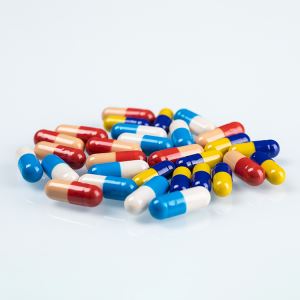

Hey there! As a supplier of the Blue White Capsule, I often get asked about the storage conditions for these little guys. So, I thought I'd write a blog post to share all the essential info.


First off, let's talk about why proper storage is so important. The Blue White Capsule, like any other pharmaceutical or health - related product, can be affected by its environment. If it's not stored correctly, its quality, efficacy, and even safety can be compromised.
Temperature
One of the most crucial factors in storing the Blue White Capsule is temperature. These capsules are typically sensitive to extreme heat and cold. Generally, the ideal temperature range for storing them is between 20°C and 25°C (68°F - 77°F). This is what we call "room temperature."
If the temperature gets too high, say above 30°C (86°F), the gelatin shell of the capsule can start to soften. This can cause the capsules to stick together, making them difficult to separate and use. In some cases, high temperatures can also affect the active ingredients inside the capsule. The chemical reactions that occur at elevated temperatures might break down the components, reducing the effectiveness of the product.
On the other hand, extremely cold temperatures, below 10°C (50°F), can make the gelatin shell brittle. Brittle capsules are more likely to crack or break, which exposes the contents to the air. Once the contents are exposed, they can oxidize or get contaminated, leading to a loss of quality.
Humidity
Humidity is another big deal when it comes to storing the Blue White Capsule. The recommended relative humidity level for storage is between 35% and 60%. High humidity can be a real problem. When the air is too moist, the gelatin in the capsule can absorb water. This causes the capsules to swell and become sticky. They might even start to mold if the humidity is consistently high. Mold growth is not only unappealing but can also pose a health risk.
Low humidity, on the other hand, can cause the gelatin to dry out. As the gelatin loses moisture, the capsules can become brittle and prone to cracking. So, it's essential to keep the humidity in check. You can use a dehumidifier in a high - humidity environment or a humidifier in a very dry one to maintain the right conditions.
Light
Light can also have an impact on the Blue White Capsule. Exposure to direct sunlight or strong artificial light for extended periods can cause the capsule and its contents to degrade. Ultraviolet (UV) light, in particular, can break down the chemical bonds in the active ingredients. This can change the composition of the product and reduce its effectiveness.
To protect the capsules from light, they should be stored in opaque containers. If the capsules are in a clear bottle, it's a good idea to keep them in a dark place, like a cupboard or a drawer.
Air and Contamination
Air can introduce oxygen and other contaminants to the capsules. Oxygen can cause oxidation of the active ingredients, which can alter their chemical properties. To minimize the exposure to air, the capsules should be stored in air - tight containers. When you open the container, try to use the capsules quickly and then seal it tightly again.
It's also important to keep the storage area clean. Avoid storing the capsules near chemicals, cleaning agents, or other substances that could contaminate them. Dust and dirt can also settle on the capsules, so make sure the storage area is regularly cleaned.
Specific Storage for Different Sizes
We offer different sizes of capsules, like the 00 Empty Capsule, Size 1 Pill Capsule, and Size 0 Empty Gelatin Capsule. While the general storage conditions apply to all of them, there are a few minor differences.
Smaller - sized capsules might be more prone to drying out because they have a larger surface - area - to - volume ratio. So, for smaller capsules like the Size 1 Pill Capsule, it's even more important to maintain the right humidity levels. Larger capsules, such as the 00 Empty Capsule, might be more noticeable if they stick together due to high humidity or temperature.
Packaging and Labeling
The packaging of the Blue White Capsule plays a significant role in its storage. Our capsules come in high - quality packaging that is designed to protect them from light, air, and moisture. The labels on the packaging provide important information about the storage conditions. It's crucial to follow the instructions on the label.
If you're buying in bulk, make sure to transfer the capsules to suitable storage containers if the original packaging is not suitable for long - term storage. And always keep the label with the container so you have the storage instructions handy.
Long - Term Storage
If you need to store the Blue White Capsule for an extended period, it's a good idea to check on them regularly. Inspect the capsules for any signs of damage, such as cracking, swelling, or discoloration. If you notice any issues, it's best to discard the affected capsules.
For long - term storage, you might want to consider using a climate - controlled storage facility. These facilities can maintain the ideal temperature and humidity levels, ensuring the quality of the capsules over time.
Conclusion
In conclusion, proper storage of the Blue White Capsule is essential to maintain its quality, efficacy, and safety. By controlling the temperature, humidity, light, air, and preventing contamination, you can ensure that the capsules remain in good condition. Whether you're a consumer or a business buying in bulk, following these storage guidelines will help you get the most out of the product.
If you're interested in purchasing the Blue White Capsule or have any questions about storage or our other products, feel free to reach out. We're here to help you with all your capsule needs. Let's start a conversation about your requirements and see how we can work together.
References
- Pharmaceutical Packaging Handbook. 2nd Edition. Edited by Thomas J. Ahern.
- Handbook of Encapsulation and Controlled Release. Edited by Benoit G. DeLuca and Karim Hamdy.