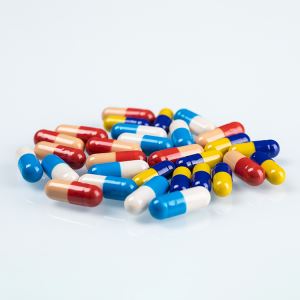

As a supplier of small gel capsules, I've witnessed firsthand the growing demand for high - quality capsules in various industries, including pharmaceuticals, nutraceuticals, and cosmetics. The quality of small gel capsules is paramount, as it directly impacts the efficacy, safety, and stability of the products they contain. In this blog post, I'll delve into the quality standards that small gel capsules must meet to ensure optimal performance and customer satisfaction.
1. Raw Material Selection


The foundation of high - quality small gel capsules lies in the careful selection of raw materials. Gelatin, the most common material for gel capsules, can be derived from different sources such as bovine, porcine, or fish. Each source has its own unique characteristics, and the choice depends on the specific requirements of the end - product and the target market.
For instance, bovine gelatin is known for its strength and elasticity, making it suitable for a wide range of applications. However, concerns about mad cow disease (BSE) have led to increased regulatory scrutiny in some regions. Porcine gelatin is also widely used and offers good dissolve properties. But for kosher and halal markets, porcine gelatin is not an option, so fish gelatin becomes a popular alternative.
The raw materials must meet strict purity and quality criteria. They should be free from contaminants such as heavy metals (e.g., lead, mercury), pathogens (e.g., bacteria, fungi), and chemical residues. Suppliers should source their raw materials from reliable and certified suppliers and conduct regular quality control tests to ensure compliance with these standards.
2. Physical Properties
- Size and Dimensions: Small gel capsules come in various sizes, each with its own precise specifications. The size of the capsule determines the amount of fill material it can hold. For example, Size 0 Empty Hard Gelatin Capslue Shells are a common choice for medium - dosage products. The length, diameter, and wall thickness of the capsule must be consistent within a narrow tolerance range. Any deviation can affect the filling process, the appearance of the final product, and the accuracy of the dosage.
- Appearance: High - quality small gel capsules should have a smooth, uniform surface without cracks, bubbles, or discoloration. The capsules should be clear and transparent if required, and the color should be consistent if they are dyed. A good appearance not only enhances the aesthetic appeal of the product but also indicates proper manufacturing processes and material quality.
- Hardness and Friability: The hardness of the capsule is an important parameter. It should be hard enough to withstand handling during filling, packaging, and transportation but soft enough to ensure easy dissolution in the body. Friability, which refers to the tendency of the capsule to break or crumble, should be minimized. Capsules with high friability can lead to leakage of the fill material and affect the product's integrity.
3. Chemical and Biological Properties
- Dissolution Rate: The dissolution rate of small gel capsules is a critical quality indicator. It determines how quickly the active ingredients are released from the capsule in the body. The dissolution rate should be consistent and within the specified limits for the particular application. Factors such as the type of gelatin, the presence of plasticizers, and the manufacturing process can all influence the dissolution rate.
- Moisture Content: The moisture content of the capsule affects its physical properties and stability. Too much moisture can cause the capsules to stick together, become soft, or promote the growth of microorganisms. On the other hand, insufficient moisture can make the capsules brittle and more prone to breakage. The moisture content should be carefully controlled during manufacturing and storage to maintain the optimal quality of the capsules.
- Microbial Limit: Small gel capsules must meet strict microbial limits to ensure the safety of the end - product. They should be free from harmful bacteria, yeasts, and molds. Manufacturers should implement good manufacturing practices (GMP) and conduct regular microbial testing to prevent microbial contamination.
4. Manufacturing Process
The manufacturing process of small gel capsules is a complex and highly regulated operation. It involves several steps, including gelatin preparation, capsule molding, drying, and inspection.
- Gelatin Preparation: The gelatin solution must be properly formulated and prepared under controlled conditions. The concentration of gelatin, the type and amount of additives (such as plasticizers and dyes), and the temperature and pH of the solution can all affect the quality of the final capsules.
- Capsule Molding: The molding process requires precise control of parameters such as the mold temperature, the dipping speed, and the gelation time. Any fluctuations in these parameters can lead to variations in the capsule's size, shape, and wall thickness.
- Drying: After molding, the capsules need to be dried to the appropriate moisture content. The drying process should be carefully monitored to ensure uniform drying and prevent the formation of defects such as cracks or uneven surfaces.
- Inspection: Every batch of small gel capsules should undergo rigorous inspection to detect any defects or non - conformities. This includes visual inspection, physical testing, and chemical and biological analysis. Only capsules that meet the specified quality standards should be released for sale.
5. Packaging and Storage
Proper packaging and storage are essential to maintain the quality of small gel capsules. The capsules should be packaged in a hermetic container that protects them from moisture, oxygen, light, and physical damage. The packaging materials should be non - reactive and compatible with the capsules.
During storage, the capsules should be kept in a cool, dry, and well - ventilated environment. The temperature and humidity should be controlled within the recommended range to prevent degradation and maintain the stability of the capsules.
As a supplier of Small Gel Capsule, we are committed to meeting and exceeding these quality standards. We have a state - of - the - art manufacturing facility and a team of experienced quality control professionals who ensure that every batch of capsules meets the highest quality requirements.
If you are in the market for high - quality small gel capsules, whether for pharmaceuticals, nutraceuticals, or cosmetics, we would love to hear from you. Our team of experts can provide you with detailed information about our products and help you choose the right capsules for your specific needs. We also offer customized solutions to meet your unique requirements. Don't hesitate to reach out to us to discuss your procurement needs and start a fruitful business partnership.
If you are interested in exploring other capsule options, you can also check out our Vacant Capsule offerings.
References
- Pharmaceutical Capsules: Technology and Performance, edited by Ian G. Tucker
- Handbook of Encapsulation and Controlled Release, edited by Ajay K. Banga
- Good Manufacturing Practice (GMP) Guidelines for the Pharmaceutical Industry