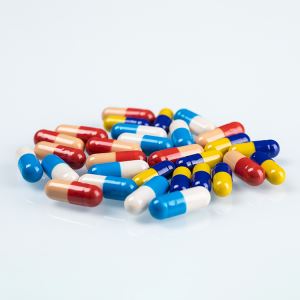

Hey there! I'm a supplier of gelatin capsules, and I've been getting a lot of questions lately about the environmental impact of these little guys. So, I thought I'd take a deep dive into the topic and share what I've learned.
First off, let's talk about what gelatin capsules are. Gelatin is a protein obtained by boiling skin, tendons, ligaments, and/or bones with water. It's commonly used in the pharmaceutical and food industries to make capsules that can hold medications, supplements, or other substances. Gelatin capsules are popular because they're easy to swallow, can be customized in terms of size and color, and are generally considered safe for consumption.
Now, let's get into the environmental impact. One of the main concerns people have is the source of the gelatin. Most gelatin is derived from animal by - products, usually from cows or pigs. The livestock industry is known to have a significant environmental footprint. It requires large amounts of land for grazing and growing feed crops, which can lead to deforestation and habitat loss. Additionally, livestock produce a substantial amount of greenhouse gases, mainly methane, which is a potent contributor to climate change.
However, it's important to note that the gelatin used in capsule production is often a by - product of the meat industry. In other words, the animals are raised primarily for meat, and the gelatin is made from parts that would otherwise be discarded. By using these by - products, the gelatin industry is actually making use of materials that would otherwise go to waste. This can be seen as a form of recycling within the food chain, which has some positive environmental implications.
Another aspect to consider is the manufacturing process of gelatin capsules. The production involves several steps, including the extraction of gelatin from animal parts, purification, and then the actual formation of the capsules. Energy is required at each stage of this process. For example, boiling the animal parts to extract gelatin uses a significant amount of heat energy, and the machinery used in purification and capsule formation also consumes electricity.
But, many gelatin capsule manufacturers are taking steps to reduce their energy consumption. Some are investing in more energy - efficient equipment, while others are looking into alternative energy sources such as solar or wind power. These efforts can help to mitigate the environmental impact associated with the manufacturing process.
When it comes to the disposal of gelatin capsules, they are generally biodegradable. Unlike some plastic capsules, which can take hundreds of years to break down in the environment, gelatin capsules will decompose over time. This means that if they end up in landfills or the natural environment, they won't contribute to long - term pollution. However, the rate of decomposition can be affected by various factors such as temperature, moisture, and the presence of microorganisms.
Now, let's talk about some of the options we offer as a gelatin capsule supplier. We have a wide range of Colored Pill Capsule that can be customized according to your needs. Whether you want a bright, eye - catching color for your product or a more subtle shade, we've got you covered. These colored capsules can help your product stand out on the shelves and make it more appealing to consumers.
We also offer Size 0 Empty Gelatin Capsule. Size 0 is one of the most commonly used sizes in the industry, and it's suitable for a variety of medications and supplements. These empty capsules are easy to fill, and they provide a convenient way to deliver your product to consumers.
If you're looking for high - quality Gelatine Capsule, we've got a great selection. Our gelatin capsules are made from premium - grade gelatin, which ensures their safety and effectiveness. We adhere to strict quality control standards throughout the manufacturing process to make sure that you get the best product possible.
In conclusion, while there are some environmental concerns associated with gelatin capsules, such as the source of gelatin and the energy used in manufacturing, there are also positive aspects. The use of meat industry by - products and the biodegradability of the capsules are significant environmental benefits. And as a supplier, we're committed to reducing our environmental impact through various initiatives.
If you're in the market for gelatin capsules, whether for a pharmaceutical product or a dietary supplement, I'd love to talk to you. We can discuss your specific requirements, such as size, color, and quantity, and find the best solution for your business. Don't hesitate to reach out if you have any questions or if you're ready to start a procurement discussion.


References
- "Environmental Impact of the Livestock Sector." Food and Agriculture Organization of the United Nations.
- "Gelatin Production and Its Environmental Considerations." Journal of Food Science and Technology.