
Hey there! I'm a supplier of empty gel capsules, and I often get asked about the difference between hard and soft empty gel capsules. In this blog, I'll break down these differences to help you understand which type might be the best fit for your needs.
What Are They Made Of?
Let's start with the basics. Hard empty gel capsules are typically made from gelatin, which is derived from animal collagen, usually from cows or pigs. There are also vegetarian options made from materials like hydroxypropyl methylcellulose (HPMC). These capsules come in two parts: a cap and a body. You can easily fill them with powders, granules, or even small pellets. For example, if you're into making your own supplements at home, Size 1 Pill Capsule is a popular choice as it's a standard size that can hold a decent amount of your chosen ingredient.
On the other hand, soft empty gel capsules are made from a similar gelatin base but with a higher proportion of plasticizers like glycerin. This gives them a more flexible and elastic texture. The manufacturing process involves sealing the capsule in one piece, enclosing a liquid or semi - liquid filling. So, if you have an oil - based supplement or a liquid herbal extract, soft capsules are the way to go.
Appearance and Structure
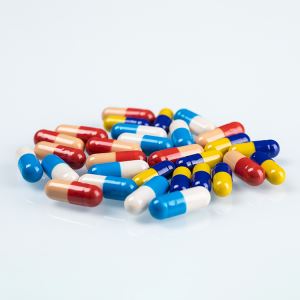
When you look at hard and soft empty gel capsules side by side, the difference in appearance is quite obvious. Hard capsules are rigid and have a distinct cap - and - body design. They're available in a variety of sizes and colors. For instance, the Green White Capsule is not only eye - catching but also can be used to differentiate different products in your line. You can easily separate the cap from the body for filling purposes.
Soft capsules, as the name suggests, are soft and pliable. They have a smooth, seamless exterior. Their shape can vary from oval to round, depending on the manufacturing process and the intended use. This seamless design makes them less likely to leak, which is a big plus when dealing with liquid fillings.
Filling and Manufacturing Process
The filling process for hard and soft empty gel capsules is also quite different. Filling hard capsules is relatively straightforward. You can use manual or automated filling machines. Manual filling is great for small - scale production, like for home - made supplements or small - batch formulations. Automated machines, on the other hand, are used for large - scale commercial production. They can fill thousands of capsules per hour with high precision.
Soft capsule filling is a more complex process. It requires specialized equipment that can inject the liquid or semi - liquid filling into the capsule while simultaneously sealing it. The gelatin is heated to a specific temperature to make it malleable, and then the filling is introduced. This process needs to be carefully controlled to ensure the quality and integrity of the capsules.
Shelf Life and Stability
In terms of shelf life, hard empty gel capsules generally have a longer shelf life. They're more resistant to environmental factors like humidity and temperature changes. As long as they're stored in a cool, dry place, they can last for several years. However, if they're exposed to high humidity, they might become sticky or even start to deform.
Soft capsules are a bit more sensitive. The liquid filling inside can be prone to oxidation, especially if it contains oils or other oxidizable substances. They also need to be stored in a controlled environment to prevent the gelatin from drying out or the filling from leaking. But when stored properly, they can still have a reasonable shelf life.
Applications
Hard empty gel capsules are widely used in the pharmaceutical and nutraceutical industries. They're perfect for encapsulating powders, such as vitamins, minerals, and herbal extracts. They're also commonly used in the compounding pharmacy, where pharmacists create customized medications for individual patients.
Soft capsules are mainly used for products that require a liquid or semi - liquid filling medium. This includes fish oil supplements, CBD oil capsules, and some liquid - based medications. The soft gelatin shell can help with the absorption of the active ingredients in the body, especially for lipophilic (fat - soluble) substances.
Regulatory and Dietary Considerations
From a regulatory perspective, both hard and soft empty gel capsules need to meet certain quality and safety standards. In terms of dietary preferences, if you're catering to a vegetarian or vegan market, hard capsules made from HPMC are a great option. There are also Halal Empty Hard Gelatin Capsule available for those who follow Islamic dietary laws. These capsules are made from materials that comply with Halal requirements.
Cost
Cost is always an important factor. Generally, hard empty gel capsules are more cost - effective, especially for large - scale production. The manufacturing process is simpler, and the materials are more readily available. Soft capsules, due to their more complex manufacturing process and the need for specialized equipment, are usually more expensive. However, the cost can vary depending on factors like size, quantity, and the type of filling.
Conclusion
So, there you have it! The main differences between hard and soft empty gel capsules come down to their composition, appearance, filling process, shelf life, applications, regulatory considerations, and cost. Whether you choose hard or soft capsules depends on your specific product requirements, target market, and budget.


If you're in the market for high - quality empty gel capsules, I'm here to help. Whether you need hard capsules for your powder - based supplements or soft capsules for your liquid formulations, I can offer you a wide range of options. Don't hesitate to reach out if you have any questions or if you're ready to start a procurement discussion. Let's work together to find the perfect empty gel capsules for your business!
References
- "Handbook of Pharmaceutical Excipients"
- "Encyclopedia of Pharmaceutical Technology"