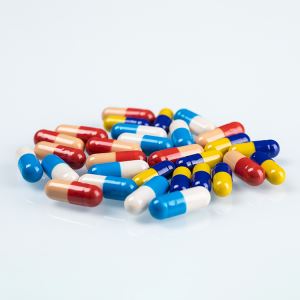

Hard gelatin capsules are a widely used form of dosage in the pharmaceutical, nutraceutical, and food industries. As a leading supplier of hard gelatin capsules, I am often asked about the composition of these capsules. In this blog post, I will delve into the various components that make up hard gelatin capsules, their functions, and the significance of these ingredients in the manufacturing process.


Gelatin: The Core Component
The primary ingredient in hard gelatin capsules is, as the name suggests, gelatin. Gelatin is a protein obtained by partial hydrolysis of collagen, which is found in the skin, bones, and connective tissues of animals. It is a natural polymer that has been used for centuries in various applications, including food, photography, and pharmaceuticals.
There are two main types of gelatin used in the production of hard gelatin capsules: Type A and Type B. Type A gelatin is derived from acid-treated collagen, typically from porcine (pig) skin. It has an isoelectric point between 7 and 9, which means it has a positive charge at a low pH. Type B gelatin, on the other hand, is obtained from alkaline-treated collagen, usually from bovine (cow) hides. It has an isoelectric point between 4.7 and 5.2, giving it a negative charge at a neutral pH.
The choice of gelatin type depends on several factors, including the intended use of the capsule, the compatibility with the fill material, and regulatory requirements. For example, in some religious and cultural traditions, the use of porcine-derived gelatin is prohibited. In such cases, bovine gelatin or other alternatives, such as Halal Certificated Empty Gelatin Capsule Shell, may be used.
Plasticizers
To make hard gelatin capsules flexible and prevent them from becoming brittle, plasticizers are added to the gelatin solution during the manufacturing process. Plasticizers are substances that reduce the intermolecular forces between polymer chains, allowing them to slide past each other more easily. This results in a more pliable and elastic material.
The most commonly used plasticizer in hard gelatin capsules is glycerin. Glycerin is a clear, odorless, and sweet-tasting liquid that is soluble in water. It has a high boiling point and low volatility, making it suitable for use in the capsule manufacturing process. Other plasticizers that may be used include sorbitol, propylene glycol, and polyethylene glycol.
The amount of plasticizer added to the gelatin solution depends on the desired properties of the capsules, such as flexibility, hardness, and moisture resistance. Generally, the plasticizer content ranges from 15% to 30% of the total gelatin weight.
Water
Water is an essential component in the production of hard gelatin capsules. It is used to dissolve the gelatin and plasticizer, forming a homogeneous solution that can be used to coat the capsule molds. During the manufacturing process, the water content in the gelatin solution is carefully controlled to ensure the proper formation and drying of the capsules.
After the capsules are formed, they are dried to reduce the water content to a level that is suitable for storage and use. The final water content of hard gelatin capsules typically ranges from 12% to 16%. If the water content is too high, the capsules may become sticky and prone to microbial growth. On the other hand, if the water content is too low, the capsules may become brittle and difficult to handle.
Opacifiers
Opacifiers are substances that are added to hard gelatin capsules to make them opaque or translucent. They are used to protect light-sensitive fill materials from degradation and to improve the appearance of the capsules.
The most commonly used opacifier in hard gelatin capsules is titanium dioxide. Titanium dioxide is a white, odorless powder that is insoluble in water. It has a high refractive index, which means it can scatter light effectively, making the capsules appear opaque. Other opacifiers that may be used include calcium carbonate, talc, and kaolin.
The amount of opacifier added to the gelatin solution depends on the desired level of opacity and the type of fill material. Generally, the opacifier content ranges from 0.1% to 2% of the total gelatin weight.
Colorants
Colorants are used to give hard gelatin capsules a specific color or appearance. They are added to the gelatin solution during the manufacturing process to enhance the visual appeal of the capsules and to make them easily distinguishable from each other.
There are two main types of colorants used in hard gelatin capsules: natural and synthetic. Natural colorants are derived from plants, animals, or minerals and are generally considered to be safe and non-toxic. Examples of natural colorants include caramel, beetroot extract, and chlorophyll. Synthetic colorants, on the other hand, are chemically synthesized and are often more stable and consistent in color than natural colorants. Examples of synthetic colorants include FD&C dyes and D&C lakes.
The choice of colorant depends on several factors, including the intended use of the capsule, the compatibility with the fill material, and regulatory requirements. For example, in some countries, the use of certain synthetic colorants may be restricted or prohibited.
Other Additives
In addition to the above components, other additives may be added to hard gelatin capsules to improve their performance or functionality. These additives include:
- Preservatives: Preservatives are used to prevent the growth of microorganisms in the capsules and to extend their shelf life. Common preservatives used in hard gelatin capsules include parabens, sorbic acid, and benzoic acid.
- Lubricants: Lubricants are added to the capsule molds to prevent the capsules from sticking during the manufacturing process. They also help to improve the release of the capsules from the molds and to reduce the friction between the capsules and the filling equipment. Common lubricants used in hard gelatin capsules include magnesium stearate, calcium stearate, and talc.
- Anti-tacking agents: Anti-tacking agents are used to prevent the capsules from sticking together during storage and handling. They are added to the surface of the capsules to reduce the surface friction and to create a barrier between the capsules. Common anti-tacking agents used in hard gelatin capsules include silicon dioxide and magnesium carbonate.
Manufacturing Process
The manufacturing process of hard gelatin capsules involves several steps, including gelatin preparation, capsule molding, drying, trimming, and inspection. Here is a brief overview of the process:
- Gelatin Preparation: The gelatin is first dissolved in water at a specific temperature and pH. Plasticizers, opacifiers, colorants, and other additives are then added to the gelatin solution and mixed thoroughly.
- Capsule Molding: The gelatin solution is then poured into a series of rotating molds that are shaped like the capsules. The molds are dipped into the gelatin solution, and the excess solution is drained off. The capsules are then formed by allowing the gelatin to cool and solidify on the molds.
- Drying: The capsules are removed from the molds and placed in a drying chamber to reduce the water content to the desired level. The drying process may take several hours or days, depending on the size and thickness of the capsules.
- Trimming: After drying, the capsules are trimmed to remove any excess gelatin and to ensure a uniform length and diameter.
- Inspection: The capsules are then inspected for defects, such as cracks, holes, or incomplete filling. Any defective capsules are removed from the production line.
Conclusion
Hard gelatin capsules are a versatile and widely used form of dosage that offer several advantages, including ease of administration, accurate dosing, and protection of the fill material. The composition of hard gelatin capsules is carefully formulated to ensure their quality, performance, and safety. By understanding the various components and their functions, manufacturers can produce high-quality capsules that meet the needs of their customers.
If you are interested in purchasing high-quality hard gelatin capsules for your pharmaceutical, nutraceutical, or food products, please feel free to contact us for more information and to discuss your specific requirements. We are committed to providing our customers with the best products and services at competitive prices.
References
- Banker, G. S., & Anderson, N. G. (Eds.). (2012). Pharmaceutical dosage forms: Tablets. Informa Healthcare.
- Rowe, R. C., Sheskey, P. J., & Quinn, M. E. (Eds.). (2018). Handbook of pharmaceutical excipients. Pharmaceutical Press.
- Shah, N. H., & Amidon, G. L. (Eds.). (2017). Oral drug absorption: Prediction and assessment. Springer.