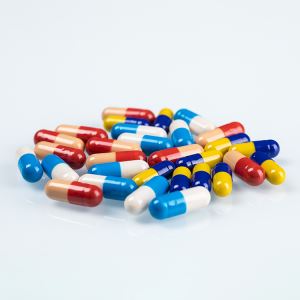

As a seasoned supplier of HPMC capsules, I understand the critical importance of proper storage in maintaining the quality and integrity of these versatile products. HPMC, or Hydroxypropyl Methylcellulose, capsules are widely used in the pharmaceutical, nutraceutical, and food industries due to their natural origin, excellent compatibility with various fill materials, and suitability for a diverse range of consumers, including vegetarians and vegans. In this blog post, I will share some valuable insights and best practices on how to store HPMC capsules properly to ensure their optimal performance and shelf life.
Understanding the Characteristics of HPMC Capsules
Before delving into the storage guidelines, it is essential to have a basic understanding of the characteristics of HPMC capsules. HPMC is a semi-synthetic polymer derived from cellulose, a natural polymer found in plants. HPMC capsules are known for their high purity, low moisture content, and good mechanical strength. However, they are also sensitive to environmental factors such as temperature, humidity, light, and oxygen, which can affect their physical and chemical properties over time.
One of the key characteristics of HPMC capsules is their hygroscopic nature, which means they have a tendency to absorb moisture from the surrounding environment. Excessive moisture absorption can lead to capsule softening, sticking, and even microbial growth, which can compromise the quality and safety of the encapsulated product. On the other hand, low humidity levels can cause the capsules to become brittle and prone to cracking, which can also affect their performance.
Another important characteristic of HPMC capsules is their sensitivity to light and oxygen. Exposure to light, especially ultraviolet (UV) light, can cause the capsules to discolor and degrade, while exposure to oxygen can lead to oxidation of the capsule material and the encapsulated product. Therefore, it is crucial to store HPMC capsules in a cool, dry, and dark place to minimize the effects of these environmental factors.
Storage Conditions for HPMC Capsules
Based on the characteristics of HPMC capsules, the following storage conditions are recommended to ensure their optimal quality and shelf life:
Temperature
The ideal storage temperature for HPMC capsules is between 15°C and 25°C (59°F and 77°F). Temperatures above this range can accelerate the degradation of the capsule material and the encapsulated product, while temperatures below this range can cause the capsules to become brittle and prone to cracking. Therefore, it is important to store HPMC capsules in a temperature-controlled environment, such as a warehouse or a storage room with air conditioning or heating.
Humidity
The relative humidity (RH) in the storage environment should be maintained between 35% and 60%. Excessive humidity can cause the capsules to absorb moisture and become soft and sticky, while low humidity levels can cause the capsules to become brittle and prone to cracking. To control the humidity levels, it is recommended to use a dehumidifier or a humidifier, depending on the ambient conditions.
Light
HPMC capsules should be stored in a dark place to minimize the effects of light exposure. Exposure to light, especially UV light, can cause the capsules to discolor and degrade, which can affect their appearance and performance. Therefore, it is recommended to store HPMC capsules in opaque containers or in a storage area that is protected from direct sunlight.
Oxygen
Oxygen can cause oxidation of the capsule material and the encapsulated product, which can lead to degradation and loss of efficacy. Therefore, it is important to store HPMC capsules in a sealed container or in a storage area with low oxygen levels. To reduce the oxygen levels, it is recommended to use nitrogen gas flushing or vacuum packaging.
Storage Containers for HPMC Capsules
In addition to the storage conditions, the choice of storage containers is also important for maintaining the quality and integrity of HPMC capsules. The following types of storage containers are recommended for HPMC capsules:


Glass Containers
Glass containers are a popular choice for storing HPMC capsules due to their inertness, transparency, and ability to provide a good barrier against moisture, light, and oxygen. Glass containers can be easily cleaned and sterilized, and they are available in a variety of sizes and shapes to suit different storage needs. However, glass containers are also fragile and can break easily, which can pose a safety hazard.
Plastic Containers
Plastic containers are another popular choice for storing HPMC capsules due to their lightweight, durability, and low cost. Plastic containers are available in a variety of materials, such as polyethylene (PE), polypropylene (PP), and polyvinyl chloride (PVC), each with its own unique properties and advantages. However, plastic containers can also be permeable to moisture, light, and oxygen, which can affect the quality and integrity of the capsules over time. Therefore, it is important to choose plastic containers that are specifically designed for pharmaceutical or nutraceutical applications and that provide a good barrier against these environmental factors.
Aluminum Foil Pouches
Aluminum foil pouches are a popular choice for storing HPMC capsules due to their excellent barrier properties against moisture, light, and oxygen. Aluminum foil pouches are available in a variety of sizes and shapes, and they can be easily sealed to provide a hermetic seal. However, aluminum foil pouches are also relatively expensive and can be difficult to recycle.
Handling and Transporting HPMC Capsules
In addition to proper storage, it is also important to handle and transport HPMC capsules carefully to avoid damage and contamination. The following guidelines are recommended for handling and transporting HPMC capsules:
Handling
- Wear clean gloves and a lab coat when handling HPMC capsules to avoid contamination.
- Avoid touching the capsules with bare hands, as this can transfer moisture and oils from the skin to the capsules.
- Use clean and dry utensils, such as scoops or tongs, to handle the capsules.
- Do not drop or shake the capsules, as this can cause them to break or become damaged.
Transporting
- Use a suitable transport container that provides a good barrier against moisture, light, and oxygen.
- Avoid exposing the capsules to extreme temperatures, humidity, or vibrations during transport.
- Ensure that the transport container is properly sealed and labeled to prevent damage and contamination.
- Follow all applicable regulations and guidelines for transporting pharmaceutical or nutraceutical products.
Conclusion
Proper storage of HPMC capsules is essential for maintaining their quality and integrity, and ensuring their optimal performance and shelf life. By following the storage conditions, using the appropriate storage containers, and handling and transporting the capsules carefully, you can minimize the effects of environmental factors and ensure that your HPMC capsules remain in good condition until they are ready to be used.
As a [Company Name] supplier of Vegetable Capsule Shell, Empty HPMC Capsule, and Cellulose Capsule, we are committed to providing our customers with high-quality products and excellent customer service. If you have any questions or concerns about storing HPMC capsules, or if you are interested in purchasing our products, please do not hesitate to contact us. We look forward to hearing from you and working with you to meet your capsule needs.
References
- [1] European Pharmacopoeia, 10th Edition, Monograph 0470 - Hard Capsules.
- [2] United States Pharmacopeia (USP) 43 - National Formulary (NF) 38, General Chapter <1163> - Packaging and Storage Requirements.
- [3] International Council for Harmonisation of Technical Requirements for Pharmaceuticals for Human Use (ICH) Q1A(R2) - Stability Testing of New Drug Substances and Products.