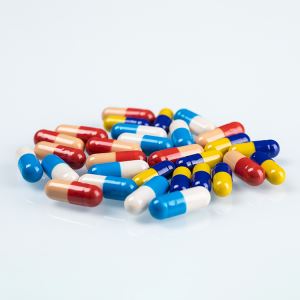

Large gel capsules are a common form of medication and supplement delivery, known for their ability to encapsulate various substances and facilitate their safe and effective entry into the body. As a supplier of large gel capsules, I am often asked about how these capsules work in the body. In this blog post, I will delve into the science behind large gel capsules, exploring their composition, dissolution process, and the factors that influence their effectiveness.
Composition of Large Gel Capsules
Large gel capsules are typically made from gelatin, a protein derived from collagen. Gelatin is a natural polymer that forms a flexible and transparent shell when mixed with water and other additives. The gelatin shell is designed to protect the contents of the capsule from moisture, oxygen, and light, ensuring the stability and integrity of the encapsulated substances.

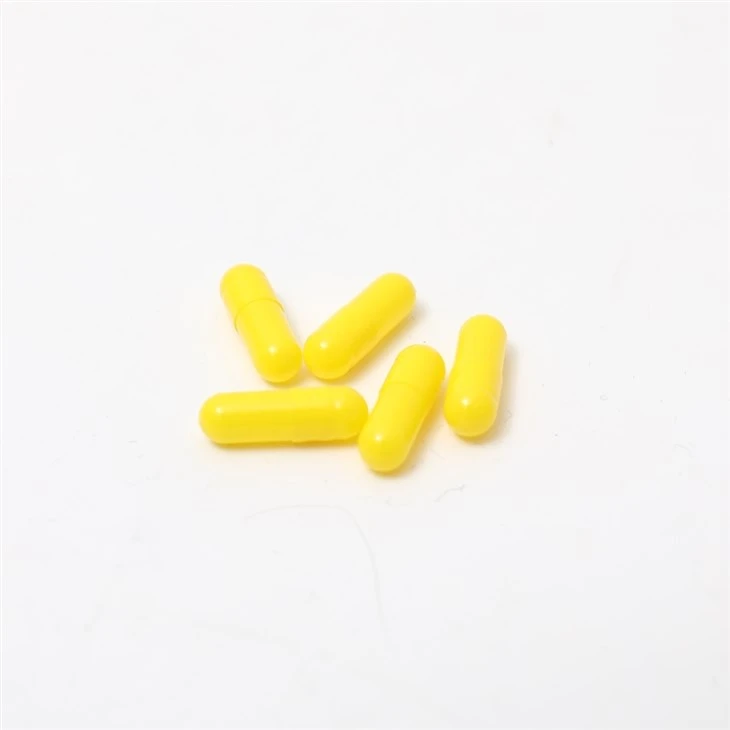
In addition to gelatin, large gel capsules may also contain other ingredients such as plasticizers, colorants, and preservatives. Plasticizers are added to the gelatin shell to improve its flexibility and prevent cracking. Colorants are used to enhance the appearance of the capsules and make them more visually appealing. Preservatives are added to prevent the growth of microorganisms and extend the shelf life of the capsules.
Dissolution Process of Large Gel Capsules
Once a large gel capsule is swallowed, it enters the stomach, where it is exposed to the acidic environment and digestive enzymes. The gelatin shell of the capsule begins to dissolve in the stomach acid, releasing the contents of the capsule into the digestive tract. The rate of dissolution depends on several factors, including the pH of the stomach, the temperature, and the presence of food.
In general, large gel capsules dissolve more slowly than smaller capsules because they have a larger surface area and a thicker shell. However, the exact dissolution rate can vary depending on the specific formulation of the capsule. Some capsules are designed to dissolve quickly in the stomach, while others are formulated to dissolve more slowly in the small intestine.
Absorption of Encapsulated Substances
After the gelatin shell of the large gel capsule has dissolved, the encapsulated substances are released into the digestive tract. The substances then undergo a process of absorption, where they are taken up by the cells of the digestive system and transported into the bloodstream. The absorption process depends on several factors, including the chemical properties of the substances, the surface area of the digestive tract, and the presence of transport proteins.
In general, substances that are highly soluble in water or lipids are more easily absorbed than substances that are insoluble or poorly soluble. For example, vitamins and minerals are typically absorbed in the small intestine, where they are transported across the intestinal wall by specialized transport proteins. On the other hand, some drugs and supplements may require a coating or other formulation to enhance their absorption in the digestive tract.
Factors Affecting the Effectiveness of Large Gel Capsules
Several factors can affect the effectiveness of large gel capsules in the body. These factors include the formulation of the capsule, the dose of the encapsulated substances, the route of administration, and the individual's physiological state.
- Formulation of the Capsule: The formulation of the large gel capsule can have a significant impact on its effectiveness. For example, the type and amount of gelatin used in the shell can affect the dissolution rate of the capsule. Additionally, the presence of other ingredients such as plasticizers, colorants, and preservatives can also influence the properties of the capsule and its performance in the body.
- Dose of the Encapsulated Substances: The dose of the encapsulated substances is another important factor that can affect the effectiveness of the large gel capsule. In general, a higher dose of the active ingredient is more likely to produce a therapeutic effect. However, the dose must also be carefully balanced to avoid potential side effects and toxicity.
- Route of Administration: The route of administration of the large gel capsule can also affect its effectiveness. Oral administration is the most common route of administration for large gel capsules, but other routes such as topical, rectal, and parenteral administration may also be used depending on the specific application.
- Individual's Physiological State: The individual's physiological state can also influence the effectiveness of the large gel capsule. Factors such as age, gender, weight, diet, and health status can all affect the absorption, distribution, metabolism, and excretion of the encapsulated substances. For example, individuals with certain medical conditions or taking certain medications may have altered absorption or metabolism of the substances in the capsule.
Advantages of Large Gel Capsules
Large gel capsules offer several advantages over other forms of medication and supplement delivery. These advantages include:
- Easy to Swallow: Large gel capsules are typically easier to swallow than tablets or pills, especially for individuals who have difficulty swallowing. The smooth surface of the capsule and its flexible shell make it easier to pass through the throat and into the stomach.
- Accurate Dosage: Large gel capsules can be filled with a precise amount of the active ingredient, ensuring accurate dosing. This is particularly important for medications and supplements that require a specific dose to be effective.
- Masking of Taste and Odor: Many medications and supplements have an unpleasant taste or odor that can make them difficult to take. Large gel capsules can be used to mask the taste and odor of the encapsulated substances, making them more palatable.
- Protection of the Active Ingredient: The gelatin shell of the large gel capsule provides a protective barrier that helps to prevent the degradation of the active ingredient. This is particularly important for substances that are sensitive to moisture, oxygen, or light.
Applications of Large Gel Capsules
Large gel capsules are used in a wide range of applications, including:
- Pharmaceuticals: Large gel capsules are commonly used in the pharmaceutical industry to deliver medications such as antibiotics, painkillers, and vitamins. The capsules can be filled with a variety of substances, including powders, liquids, and semi-solids.
- Nutraceuticals: Large gel capsules are also used in the nutraceutical industry to deliver dietary supplements such as fish oil, probiotics, and herbal extracts. The capsules can be formulated to provide a convenient and effective way to take these supplements.
- Cosmetics: Large gel capsules are sometimes used in the cosmetics industry to deliver active ingredients such as vitamins, antioxidants, and moisturizers. The capsules can be formulated to provide a slow-release of the active ingredient, ensuring long-lasting effects.
Conclusion
Large gel capsules are a popular and effective form of medication and supplement delivery. They offer several advantages over other forms of delivery, including easy swallowing, accurate dosage, masking of taste and odor, and protection of the active ingredient. The dissolution process of large gel capsules in the body is complex and depends on several factors, including the formulation of the capsule, the dose of the encapsulated substances, the route of administration, and the individual's physiological state. As a supplier of large gel capsules, I am committed to providing high-quality products that meet the needs of our customers. If you are interested in learning more about our Colored Empty Pill Capsule, Yellow Bovine Gelatin Capsules, or Gelatin Shell, please contact us to discuss your specific requirements.
References
- Bauer, K. H., & Frömming, K. H. (2005). Pharmaceutical Technology: An Introduction. Stuttgart: Medpharm Scientific Publishers.
- Rowe, R. C., Sheskey, P. J., & Quinn, M. E. (2009). Handbook of Pharmaceutical Excipients. London: Pharmaceutical Press.
- Shah, V. P., Maa, Y.-F., Schwartz, J. B., & Lechuga-Ballesteros, D. (2004). Oral Drug Delivery. New York: Marcel Dekker.