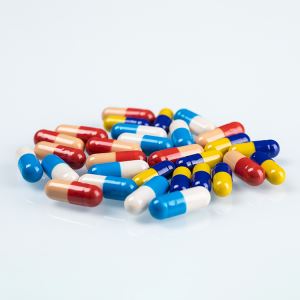

Labeling a filled vacant capsule is a crucial step in the pharmaceutical and nutraceutical industries. As a supplier of vacant capsules, I understand the significance of accurate and compliant labeling. In this blog post, I will share my insights on how to label a filled vacant capsule effectively.
Understanding the Purpose of Labeling
The primary purpose of labeling a filled vacant capsule is to provide essential information to consumers, healthcare professionals, and regulatory authorities. A well - labeled capsule helps users understand what they are taking, including the active ingredients, dosage, usage instructions, potential side effects, and storage conditions. Moreover, proper labeling ensures compliance with local and international regulations, which is vital for market access and consumer safety.


Regulatory Requirements
Before starting the labeling process, it is essential to be aware of the regulatory requirements in the target markets. Different countries and regions have specific rules regarding capsule labeling. For example, in the United States, the Food and Drug Administration (FDA) has strict guidelines on the content and format of labels for pharmaceutical and dietary supplement products. The label must include the product name, net quantity, ingredients list, directions for use, warnings, and the name and address of the manufacturer or distributor.
In the European Union, the European Medicines Agency (EMA) and national health authorities enforce regulations on labeling to ensure the safety and efficacy of medicinal products. Labels must be in the official language(s) of the member state where the product is sold and include detailed information about the active substances, pharmaceutical form, route of administration, and contraindications.
Key Information to Include on the Label
- Product Name and Brand: The product name should be clear, easy to read, and unique. It should also be consistent with the brand identity of the company. For example, if your company is known for high - quality supplements, the product name should reflect that quality.
- Active Ingredients: List all the active ingredients in the capsule, including their scientific names and the amount per serving. This information helps consumers make informed decisions about the product's efficacy and potential interactions with other medications.
- Dosage and Usage Instructions: Clearly state the recommended dosage, frequency of use, and any special instructions for taking the capsule. For example, some capsules may need to be taken with food, while others should be taken on an empty stomach.
- Warnings and Precautions: Include any warnings or precautions related to the use of the capsule, such as potential side effects, contraindications, and interactions with other substances. This information is crucial for consumer safety.
- Storage Conditions: Provide instructions on how to store the capsule properly, such as the temperature range, humidity level, and whether it should be kept in a dark place. Proper storage helps maintain the quality and stability of the product.
- Batch Number and Expiry Date: The batch number allows for traceability in case of quality issues or recalls. The expiry date indicates the period during which the product is expected to remain stable and effective.
Labeling Materials and Printing
The choice of labeling materials and printing methods is also important. The label should be made of a durable material that can withstand handling, storage, and environmental conditions. Common materials include paper, plastic, and foil.
Printing methods vary depending on the volume of production and the quality requirements. For small - scale production, digital printing may be a cost - effective option. It allows for quick turnaround and customization. For large - scale production, offset printing is often preferred due to its high - quality and efficiency.
Design and Readability
The design of the label should be visually appealing and easy to read. Use clear fonts, appropriate colors, and sufficient contrast between the text and the background. Avoid using too much text or small fonts that may be difficult to read, especially for elderly or visually impaired consumers.
Incorporating Hyperlinks
As a vacant capsule supplier, I offer a variety of products, including Large Gelatin Capsule, Empty Hard Capsule, and Halal Empty Capsule. These links provide more information about our products, which can be useful for customers who are interested in learning more about the capsules they are filling.
Quality Control
Once the labels are printed and applied to the filled capsules, it is important to conduct quality control checks. Inspect the labels for accuracy, legibility, and proper adhesion. Check that all the required information is present and correctly formatted. Any defective labels should be removed and replaced immediately.
Contact for Purchase and Negotiation
If you are interested in purchasing our vacant capsules or have any questions about labeling, please feel free to contact us. We are always ready to discuss your specific needs and provide customized solutions. Our team of experts can help you ensure that your capsules are labeled correctly and comply with all relevant regulations.
References
- Food and Drug Administration (FDA). (Year). Guidelines for Labeling of Pharmaceutical and Dietary Supplement Products.
- European Medicines Agency (EMA). (Year). Regulations on Medicinal Product Labeling in the European Union.
- Pharmaceutical Press. (Year). Handbook of Pharmaceutical Excipients.