

Cleaning empty gel capsules is a critical process for ensuring their quality and safety, especially for a supplier like me. In this blog, I'll share some effective methods and best practices for cleaning empty gel capsules, which are essential for maintaining the integrity of these products.
Understanding Empty Gel Capsules
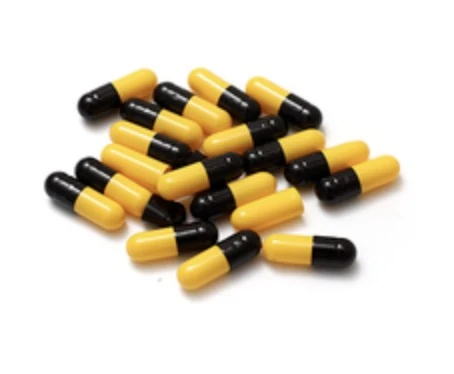
Before diving into the cleaning process, it's important to understand what empty gel capsules are. Empty gel capsules are widely used in the pharmaceutical, nutraceutical, and cosmetic industries. They come in various sizes and types, such as Large Empty Pill Capsule and Halal Empty Hard Gelatin Capsule. These capsules are typically made from gelatin, a protein derived from animal collagen, or from vegetable-based materials like hypromellose.
Gel capsules are designed to encapsulate powders, liquids, or semisolids. However, during the manufacturing process, they can accumulate dust, debris, and other contaminants. Therefore, proper cleaning is necessary to meet industry standards and ensure the safety of the end-users.
Why Cleaning is Necessary
Cleaning empty gel capsules serves several important purposes. Firstly, it removes any foreign particles that may have adhered to the capsules during manufacturing, transportation, or storage. These particles can include dirt, dust, and manufacturing residues, which can affect the appearance and quality of the capsules.
Secondly, cleaning helps to prevent cross - contamination. If the capsules are used to encapsulate different substances, residues from previous fillings can contaminate the new product, leading to potential health risks and regulatory issues.
Finally, a clean capsule enhances the overall aesthetic appeal. Patients and consumers are more likely to accept and trust a product that comes in a clean and visually appealing capsule.
Cleaning Methods
1. Manual Cleaning
For small - scale operations or when dealing with a limited quantity of capsules, manual cleaning can be a viable option. This method involves gently wiping the capsules with a clean, lint - free cloth or using a soft brush to remove surface dust.
- Steps for Manual Cleaning
- First, prepare a clean work area. Place a soft, clean cloth or towel on the surface to prevent scratching the capsules.
- Take each capsule gently and inspect it for visible dirt or debris.
- If there is dust on the surface, use a soft brush to gently brush it off. The brush should be made of a non - abrasive material to avoid damaging the capsule.
- For stubborn contaminants, dampen a corner of the cloth with a small amount of purified water. Then, gently wipe the affected area of the capsule. Make sure not to wet the capsule too much, as excessive moisture can cause the gelatin to swell or deteriorate.
2. Abrasive Cleaning
Abrasive cleaning uses a mild abrasive material to remove tough stains and contaminants from the surface of the capsules. However, this method needs to be used with caution because excessive abrasion can damage the capsule shell.
- Procedure for Abrasive Cleaning
- Select a mild abrasive material, such as a fine - grained polishing powder specifically designed for capsule cleaning.
- Place a small amount of the abrasive material on a soft cloth.
- Gently rub the capsule with the cloth in a circular motion. Be careful not to apply too much pressure.
- After cleaning, use a clean, dry cloth to wipe away the abrasive residue from the capsule.
3. Ultrasonic Cleaning
Ultrasonic cleaning is a more efficient and effective method for large - scale operations. It uses high - frequency sound waves to create small bubbles in a cleaning solution. The implosion of these bubbles generates a powerful scrubbing action that can remove contaminants from the surface and crevices of the capsules.
- How Ultrasonic Cleaning Works
- Prepare an ultrasonic cleaning tank with a suitable cleaning solution. The solution should be mild and compatible with the capsule material. For gelatin capsules, a solution of warm water and a small amount of gentle detergent can be used.
- Place the capsules in a mesh basket or a suitable holder and immerse them in the cleaning solution in the ultrasonic tank.
- Turn on the ultrasonic cleaner and set the appropriate time and frequency. The typical cleaning time can range from a few minutes to 15 minutes, depending on the level of contamination.
- After the cleaning cycle is complete, remove the capsules from the tank and rinse them thoroughly with purified water to remove any remaining detergent or debris.
Drying Process
After cleaning, proper drying is crucial to prevent the growth of mold and bacteria and to maintain the integrity of the capsule.
- Air Drying
- Place the cleaned capsules on a clean, dry surface in a well - ventilated area. A wire rack or a perforated tray can be used to allow air to circulate around the capsules.
- Ensure that the capsules are evenly spaced to prevent sticking. The drying time can vary depending on the temperature and humidity of the environment, but it usually takes several hours to overnight.
- Dehumidifier Drying
- If the environment is humid, using a dehumidifier can speed up the drying process. Place the capsules in an area with the dehumidifier running to remove moisture from the air around them.
- Oven Drying (with Caution)
- For some types of capsules, oven drying can be an option. However, it must be done at a low temperature to avoid melting or deforming the capsules. Set the oven to a temperature no higher than 40 - 50°C and place the capsules on a baking sheet lined with parchment paper. Monitor the drying process closely to prevent over - heating.
Quality Control After Cleaning
Once the capsules are cleaned and dried, a thorough quality control check is necessary.
- Visual Inspection
- Examine each capsule for any remaining dirt, stains, or damage. Reject any capsules that do not meet the quality standards.
- Integrity Testing
- Check the capsule for any cracks, holes, or deformities. This can be done by gently squeezing the capsule or using a microscope to inspect the surface.
- Moisture Content Testing
- Measure the moisture content of the capsules. Excessive moisture can lead to capsule degradation over time. Use a moisture analyzer to ensure that the moisture content is within the acceptable range.
Conclusion
Cleaning empty gel capsules is an essential step in the supply process. As a supplier, I am committed to providing high - quality Large Gelatin Capsules and other types of empty gel capsules. By following the proper cleaning methods and quality control procedures, we can ensure that our products meet the strictest industry standards.
If you are interested in purchasing our empty gel capsules, or if you have any questions about the cleaning process or our products, please feel free to contact us for further details and to start a procurement discussion.

References
- Pharmaceutical and Medical Packaging News. Various articles on capsule manufacturing and quality control.
- Journal of Pharmaceutical Sciences. Research on the properties and cleaning of gelatin capsules.
- Industry guidelines on good manufacturing practices for empty gel capsules.