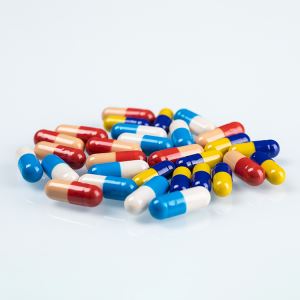

Gelatine capsules are a popular choice for encapsulating various substances, including medications, supplements, and nutraceuticals. As a leading gelatine capsule supplier, I often get asked about how these capsules work in the digestive system. In this blog post, I'll delve into the science behind gelatine capsules and explain their journey through the digestive tract.
Composition of Gelatine Capsules
Gelatine capsules are typically made from either bovine or porcine gelatin, which is a protein derived from collagen. The gelatin is mixed with water, plasticizers (such as glycerin or sorbitol), and other additives to form a solution. This solution is then used to create the capsule shells through a process called dip molding. The resulting capsules are clear, flexible, and easy to swallow.
There are two main types of gelatine capsules: hard and soft. Hard gelatine capsules consist of two halves that fit together, while soft gelatine capsules are a single, sealed unit. Both types are designed to protect the contents from light, air, and moisture, and to ensure accurate dosing.
The Journey Through the Digestive System
When a person swallows a gelatine capsule, it begins its journey through the digestive system. Here's a step-by-step breakdown of what happens:
1. The Mouth
The journey starts in the mouth, where the capsule is moistened by saliva. Although the capsule doesn't dissolve in the mouth, the saliva helps to lubricate it, making it easier to swallow.
2. The Esophagus
After being swallowed, the capsule travels down the esophagus, a muscular tube that connects the mouth to the stomach. The esophagus uses peristalsis, a series of coordinated muscle contractions, to move the capsule towards the stomach.
3. The Stomach
Once the capsule reaches the stomach, it is exposed to the acidic environment. The stomach secretes hydrochloric acid, which has a pH of around 1.5 - 3.5. The acidic conditions start to break down the gelatin capsule. Hard gelatine capsules typically begin to dissolve within 15 - 30 minutes in the stomach, while soft gelatine capsules may dissolve a bit faster due to their thinner walls.
As the capsule dissolves, it releases its contents into the stomach. If the capsule contains a medication or supplement, the active ingredients start to be released and can begin to be absorbed, although the majority of absorption usually occurs in the small intestine.
4. The Small Intestine
The small intestine is the primary site of nutrient and drug absorption in the digestive system. After the capsule contents are released in the stomach, they move into the small intestine. The small intestine has a more neutral to slightly alkaline pH (around 6 - 7.4), which is favorable for the absorption of many substances.
The small intestine is lined with millions of tiny finger-like projections called villi, which increase the surface area for absorption. The released active ingredients pass through the walls of the villi and into the bloodstream, where they can be transported to the rest of the body.
5. The Large Intestine
Any undigested or unabsorbed material from the small intestine moves into the large intestine. Here, water is absorbed from the remaining material, and the waste products are formed into feces. By this stage, most of the active ingredients from the gelatine capsule have been absorbed, and the gelatin has been broken down and digested.
Factors Affecting Capsule Dissolution
Several factors can affect how quickly and effectively a gelatine capsule dissolves in the digestive system:
1. Capsule Size
Larger capsules may take slightly longer to dissolve than smaller ones. For example, a Large Empty Pill Capsule might require a bit more time for the acidic environment of the stomach to penetrate and break it down compared to a Size 0 Empty Gelatin Capsule or a Size 2 Empty Hard Gelatin Capslue Shells.
2. Gastric Emptying Time
The time it takes for the stomach to empty its contents into the small intestine can vary from person to person and can be influenced by factors such as the type and amount of food consumed. If the stomach is full, gastric emptying may be slower, which could delay the movement of the capsule contents into the small intestine.
3. Composition of the Capsule
The type of gelatin used, the amount of plasticizers, and other additives in the capsule can affect its dissolution rate. For example, capsules with more plasticizers may be more flexible but could also dissolve more slowly.
4. Nature of the Contents
The contents of the capsule can also impact dissolution. If the capsule contains a substance that is hydrophobic (water-repellent), it may slow down the rate at which the capsule dissolves as it can interfere with the penetration of water and acid into the capsule.
Advantages of Gelatine Capsules in the Digestive System
Gelatine capsules offer several advantages in the digestive system:
1. Protection of the Contents
The capsule shell protects the active ingredients from degradation by stomach acid, light, and air before they reach the site of absorption in the small intestine. This helps to ensure the stability and efficacy of the medication or supplement.
2. Easy Swallowing
Gelatine capsules are smooth and easy to swallow, making them a preferred choice for many people, especially those who have difficulty swallowing tablets.
3. Accurate Dosing
Capsules can be filled with precise amounts of the active ingredient, ensuring accurate dosing. This is particularly important for medications where the correct dosage is crucial for therapeutic effect.
4. Masking of Taste and Odor
The capsule shell can mask the unpleasant taste and odor of the contents, making it more palatable for the user.
Conclusion
As a gelatine capsule supplier, I understand the importance of providing high-quality capsules that work effectively in the digestive system. Gelatine capsules play a vital role in delivering medications and supplements to the body in a safe, efficient, and convenient way. Their ability to protect the contents, dissolve at the appropriate time, and ensure accurate dosing makes them a popular choice in the pharmaceutical and nutraceutical industries.


If you're in the market for high-quality gelatine capsules, I encourage you to reach out for a procurement discussion. We offer a wide range of capsule sizes and types to meet your specific needs. Whether you're a pharmaceutical company, a supplement manufacturer, or a research institution, we can provide the perfect gelatine capsules for your products.
References
- Guyton, A. C., & Hall, J. E. (2016). Textbook of Medical Physiology. Elsevier.
- Lieberman, H. A., & Lachman, L. (Eds.). (1989). Pharmaceutical Dosage Forms: Tablets. Marcel Dekker.
- Rowe, R. C., Sheskey, P. J., & Quinn, M. E. (Eds.). (2009). Handbook of Pharmaceutical Excipients. Pharmaceutical Press.