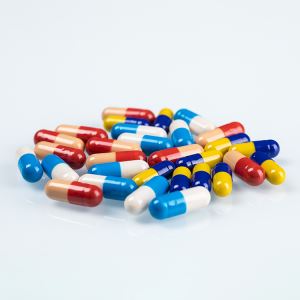

Gelatin capsules are a staple in the pharmaceutical, nutraceutical, and food industries, prized for their versatility, safety, and ease of use. As a leading gelatin capsule supplier, we understand the importance of maintaining the integrity and shape of these capsules during storage. In this blog post, we will delve into the science behind how gelatin capsules maintain their shape during storage, exploring the factors that influence their stability and the best practices for ensuring optimal storage conditions.
The Composition of Gelatin Capsules
Before we discuss how gelatin capsules maintain their shape during storage, it's essential to understand their composition. Gelatin capsules are typically made from gelatin, a protein derived from collagen found in animal skin, bones, and connective tissues. Gelatin is a natural polymer that forms a gel-like structure when mixed with water, which gives gelatin capsules their characteristic shape and flexibility.
There are two main types of gelatin capsules: Hard Gelatin and Soft Gelatin Capsules. Hard gelatin capsules consist of two parts: a body and a cap, which are filled with a powder, granule, or pellet formulation. Soft gelatin capsules, on the other hand, are a one-piece, hermetically sealed capsule that contains a liquid, semi-solid, or suspension formulation.
The Role of Moisture in Gelatin Capsule Stability
One of the most critical factors that affect the shape and stability of gelatin capsules during storage is moisture. Gelatin is a hygroscopic material, meaning it has a high affinity for water and can absorb moisture from the surrounding environment. When gelatin capsules absorb moisture, they can become soft, sticky, and prone to deformation, which can compromise their integrity and affect the quality of the encapsulated product.
Conversely, if gelatin capsules are stored in an environment with low humidity, they can lose moisture and become brittle, which can cause them to crack or break. Therefore, it's essential to maintain the proper moisture content in gelatin capsules during storage to ensure their shape and stability.
The optimal moisture content for gelatin capsules typically ranges from 12% to 16%. To maintain this moisture level, gelatin capsules should be stored in a controlled environment with a relative humidity (RH) of 30% to 60% and a temperature of 20°C to 25°C. Additionally, gelatin capsules should be stored in airtight containers to prevent moisture from entering or escaping.


The Impact of Temperature on Gelatin Capsule Stability
In addition to moisture, temperature also plays a crucial role in the shape and stability of gelatin capsules during storage. Gelatin is a thermoplastic material, meaning it can soften and deform when exposed to high temperatures. When gelatin capsules are stored at elevated temperatures, they can become sticky, fuse together, or even melt, which can render them unusable.
On the other hand, if gelatin capsules are stored at low temperatures, they can become brittle and prone to cracking. Therefore, it's essential to store gelatin capsules at a consistent temperature within the recommended range to ensure their shape and stability.
The optimal temperature for storing gelatin capsules is typically between 20°C and 25°C. However, some formulations may require specific temperature conditions, so it's important to consult the product's label or the manufacturer's recommendations for the appropriate storage temperature.
The Influence of Light and Oxygen on Gelatin Capsule Stability
Light and oxygen can also have a detrimental effect on the shape and stability of gelatin capsules during storage. Gelatin is sensitive to light, especially ultraviolet (UV) light, which can cause it to degrade and discolor. When gelatin capsules are exposed to light, they can become yellow or brown, which can affect their appearance and quality.
Oxygen can also react with gelatin and the encapsulated product, causing oxidation and degradation. This can lead to changes in the capsule's shape, color, and odor, as well as a decrease in the efficacy of the encapsulated product.
To protect gelatin capsules from light and oxygen, they should be stored in opaque, airtight containers. Additionally, gelatin capsules should be stored away from direct sunlight and sources of UV light, such as fluorescent lights.
The Importance of Proper Packaging
Proper packaging is essential for maintaining the shape and stability of gelatin capsules during storage. The packaging should provide a barrier against moisture, light, and oxygen, as well as protect the capsules from physical damage.
Common packaging materials for gelatin capsules include blister packs, bottles, and jars. Blister packs are a popular choice because they provide a tight seal and protect the capsules from moisture, light, and oxygen. Bottles and jars are also commonly used, but they should be made of a material that is impermeable to moisture and oxygen, such as glass or high-density polyethylene (HDPE).
In addition to the packaging material, the packaging should also be labeled with the product name, dosage, expiration date, and storage instructions. This information will help ensure that the capsules are stored correctly and used before their expiration date.
Best Practices for Storing Gelatin Capsules
To ensure the shape and stability of gelatin capsules during storage, it's important to follow these best practices:
- Store in a controlled environment: Gelatin capsules should be stored in a controlled environment with a relative humidity of 30% to 60% and a temperature of 20°C to 25°C.
- Use airtight containers: Gelatin capsules should be stored in airtight containers to prevent moisture from entering or escaping.
- Protect from light and oxygen: Gelatin capsules should be stored in opaque, airtight containers and away from direct sunlight and sources of UV light.
- Handle with care: Gelatin capsules are fragile and can be easily damaged. Therefore, they should be handled with care to avoid physical damage.
- Check expiration dates: Gelatin capsules should be used before their expiration date to ensure their safety and efficacy.
Conclusion
Maintaining the shape and stability of gelatin capsules during storage is crucial for ensuring their quality and efficacy. By understanding the factors that affect gelatin capsule stability, such as moisture, temperature, light, and oxygen, and following best practices for storage and packaging, you can ensure that your gelatin capsules remain in optimal condition throughout their shelf life.
As a trusted gelatin capsule supplier, we are committed to providing high-quality capsules that meet the strictest standards of quality and safety. If you have any questions about our Size 2 Empty Gelatin Capsule or other products, or if you are interested in discussing your specific requirements, please feel free to contact us. We look forward to working with you to meet your gelatin capsule needs.
References
- Collette, C. (2003). Hard gelatin capsules: an overview. Pharmaceutical Technology, 27(8), 80-92.
- Ghosh, P. C., & Jain, S. K. (2005). Handbook of Pharmaceutical Manufacturing Formulations: Capsules and Tablets. CRC Press.
- Leung, S. K., & To, K. K. (2010). Stability of gelatin capsules: A review. Journal of Pharmaceutical Sciences, 99(11), 4557-4573.