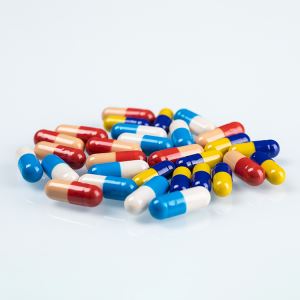

As a medicine capsule supplier, I understand the critical importance of evaluating the stability of medicine capsules. Stability testing is a fundamental process in the pharmaceutical industry, ensuring that the capsules maintain their quality, safety, and efficacy throughout their shelf - life. In this blog, I will delve into how medicine capsules are evaluated for stability, exploring various aspects of the process.
1. Importance of Stability Evaluation
The stability of medicine capsules directly impacts the effectiveness of the medication they contain. Unstable capsules may lead to degradation of the active pharmaceutical ingredient (API), changes in the physical properties of the capsule shell, or interactions between the API and the shell material. These issues can result in reduced potency, altered release profiles, and potential safety risks for patients. Therefore, stability evaluation is essential to guarantee that the medicine capsules meet the required quality standards from the time of manufacturing until the end of their intended use.
2. Factors Affecting Capsule Stability
2.1 Active Pharmaceutical Ingredient (API)
The chemical nature of the API is a primary factor influencing capsule stability. Some APIs are more prone to degradation due to factors such as oxidation, hydrolysis, or photolysis. For example, drugs containing phenolic groups are susceptible to oxidation, which can lead to the formation of colored impurities and a decrease in potency. Hydrolysis can occur when an API reacts with water, especially in the presence of moisture or under acidic or basic conditions. Photolysis, on the other hand, is the degradation of the API caused by exposure to light, which can break chemical bonds and alter the structure of the compound.
2.2 Capsule Shell Material
The material of the capsule shell also plays a crucial role in stability. Hard Gelatin Capsule Shell are commonly used in the pharmaceutical industry. Gelatin is a protein - based material that can be affected by environmental factors such as humidity, temperature, and pH. High humidity can cause the gelatin to absorb moisture, leading to softening, sticking, and potential microbial growth. Temperature fluctuations can also impact the physical properties of the gelatin, causing it to become brittle or deform. Additionally, the pH of the surrounding environment can affect the stability of the gelatin, as extreme pH values can cause hydrolysis of the protein chains.
2.3 Packaging
Proper packaging is essential for maintaining the stability of medicine capsules. Packaging materials should provide a barrier against moisture, oxygen, light, and microorganisms. For example, blister packs made of aluminum foil and plastic are commonly used to protect capsules from light and moisture. The choice of packaging also depends on the stability requirements of the specific API and capsule shell material. Some sensitive medications may require additional protection, such as the use of desiccants or nitrogen flushing to remove oxygen from the package.
3. Stability Testing Methods
3.1 Accelerated Stability Testing
Accelerated stability testing is a widely used method to predict the long - term stability of medicine capsules. In this method, the capsules are exposed to elevated temperature, humidity, and light conditions for a short period. The conditions are typically more severe than the normal storage conditions to accelerate the degradation processes. For example, capsules may be stored at 40°C and 75% relative humidity for 6 months. By analyzing the samples at regular intervals, such as 1, 2, 3, and 6 months, the degradation rate of the API and any changes in the physical properties of the capsule can be determined. The data obtained from accelerated stability testing can be used to estimate the shelf - life of the capsules under normal storage conditions using mathematical models.
3.2 Long - Term Stability Testing
Long - term stability testing is conducted under normal storage conditions, such as 25°C and 60% relative humidity. The capsules are stored for the entire expected shelf - life, and samples are analyzed at regular intervals, usually every 3 to 6 months. This method provides the most accurate information about the stability of the capsules under real - world conditions. However, it is a time - consuming process, and the results may not be available for several years.
3.3 Intermediate Stability Testing
Intermediate stability testing is performed at conditions between accelerated and long - term testing, such as 30°C and 65% relative humidity. This test is useful when the results of accelerated stability testing indicate potential stability issues, and further confirmation is required. Intermediate stability testing can help to determine if the capsules are stable under slightly more severe conditions than normal storage but less severe than accelerated conditions.
4. Evaluation Parameters
4.1 Physical Properties
The physical properties of the capsules, such as appearance, size, shape, and hardness, are evaluated during stability testing. Any changes in these properties can indicate potential stability problems. For example, if the capsules become discolored, it may be a sign of API degradation or interaction with the shell material. Changes in size or shape can affect the dosing accuracy, while a decrease in hardness may indicate softening of the shell due to moisture absorption.
4.2 Chemical Properties
The chemical properties of the API, such as potency, purity, and impurity levels, are also monitored. High - performance liquid chromatography (HPLC), gas chromatography (GC), and mass spectrometry (MS) are commonly used analytical techniques to determine the concentration of the API and the presence of impurities. Any significant decrease in potency or an increase in impurity levels can indicate instability.
4.3 Dissolution Rate
The dissolution rate of the API from the capsule is an important parameter, especially for immediate - release and modified - release formulations. A change in the dissolution rate can affect the bioavailability of the medication. Dissolution testing is typically performed using a dissolution apparatus, and the amount of API released into the dissolution medium is measured at specific time intervals.


5. Quality Control and Assurance
Throughout the stability evaluation process, strict quality control and assurance measures are implemented. This includes proper sampling techniques, accurate analytical methods, and adherence to regulatory guidelines. The test results are compared with pre - established acceptance criteria to determine if the capsules meet the required quality standards. Any deviations from the acceptance criteria are thoroughly investigated, and appropriate corrective actions are taken.
6. Conclusion
Evaluating the stability of medicine capsules is a complex and crucial process that involves considering multiple factors, using various testing methods, and monitoring different parameters. As a Fillable Gel Capsule supplier, I am committed to ensuring the highest quality of our products. Our Hard Gel Capsule are manufactured using the best materials and processes, and we conduct comprehensive stability testing to guarantee their stability and efficacy.
If you are interested in purchasing high - quality medicine capsules for your pharmaceutical products, we invite you to contact us for procurement discussions. We look forward to collaborating with you to meet your specific needs.
References
- European Medicines Agency (EMA). Guideline on Stability Testing of New Active Substances and Medicinal Products.
- United States Pharmacopeia (USP). General Chapter <1150> Stability Testing of New Drug Substances and Products.
- International Council for Harmonisation of Technical Requirements for Pharmaceuticals for Human Use (ICH). Q1A(R2) Stability Testing of New Drug Substances and Products.