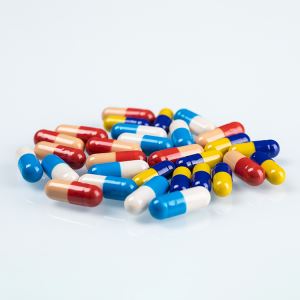

As a supplier of large gel capsules, I often encounter questions from customers regarding the expiration warnings of these products. In this blog, I'll delve into the science behind large gel capsule expiration, explore the factors that influence their shelf - life, and address whether there are specific expiration warnings associated with them.
The Composition of Large Gel Capsules
Large gel capsules are typically made from gelatin, a protein obtained by partial hydrolysis of collagen derived from animal skin, connective tissue, or bones. Gelatin is a popular choice for capsule manufacturing because it is biocompatible, easy to form into capsules, and can be filled with a variety of substances, such as vitamins, minerals, and herbal extracts.
Some large gel capsules may also be made from vegetarian alternatives like hypromellose (HPMC). HPMC capsules are derived from cellulose and are suitable for vegetarians and vegans. The choice of material affects not only the properties of the capsule but also its stability over time.
Factors Affecting the Shelf - Life of Large Gel Capsules
1. Storage Conditions
The storage environment plays a crucial role in determining the shelf - life of large gel capsules. Temperature and humidity are two key factors. Gelatin capsules are sensitive to high humidity. When exposed to excessive moisture, gelatin can absorb water, causing the capsules to become soft, sticky, and prone to microbial growth. High temperatures can also accelerate the degradation of gelatin, leading to changes in its physical and chemical properties.
For example, if large gel capsules are stored in a hot and humid warehouse, the capsules may start to deform within a few months. On the other hand, storing them in a cool, dry place can significantly extend their shelf - life. A recommended storage temperature is between 15 - 25°C and a relative humidity of 35 - 65%.
2. Filling Material
The substances filled inside the large gel capsules can also impact their stability. Some active ingredients may react with the gelatin or HPMC material of the capsule. For instance, certain oils or acidic substances can cause the capsule shell to break down more quickly. Oxidation of the filling material can also lead to the production of by - products that may affect the integrity of the capsule.
3. Packaging
Proper packaging is essential for protecting large gel capsules from environmental factors. Capsules are often packaged in blister packs or bottles with desiccants to control moisture. Blister packs provide a good barrier against oxygen and moisture, while desiccants help to absorb any excess water inside the package. If the packaging is damaged or not of high quality, the capsules are more likely to be exposed to unfavorable conditions, reducing their shelf - life.
Expiration Warnings for Large Gel Capsules
Most large gel capsules do come with expiration warnings. These warnings are based on the results of stability studies conducted by manufacturers. Stability studies involve storing the capsules under different conditions (temperature, humidity, light) for a certain period and monitoring changes in their physical and chemical properties, such as appearance, dissolution rate, and content of active ingredients.


The expiration date printed on the package indicates the time until which the capsules are expected to remain within the specified quality standards. After the expiration date, the capsules may start to lose their effectiveness, and there is an increased risk of changes in the capsule shell and the filling material. For example, the capsule may become brittle and break easily, or the active ingredient may degrade, reducing its potency.
It's important to note that the expiration date is a conservative estimate. In some cases, if the capsules have been stored under ideal conditions, they may still be usable beyond the expiration date. However, it's always recommended to follow the expiration warnings for safety reasons.
Importance of Expiration Warnings
1. Safety
Expired large gel capsules may pose health risks. Microbial growth can occur in capsules that have passed their expiration date, especially if they have been stored in inappropriate conditions. Consuming capsules contaminated with bacteria or fungi can lead to infections or other health problems.
2. Efficacy
The active ingredients in the capsules may degrade over time. If a customer takes an expired capsule, they may not receive the full dose of the intended supplement, which can affect the effectiveness of the treatment or health - promoting benefits.
Our Company's Approach to Expiration and Quality
As a large gel capsule supplier, we take expiration and quality control very seriously. We conduct extensive stability studies on our products to determine accurate expiration dates. Our manufacturing facilities adhere to strict quality control standards, and we use high - quality raw materials and advanced packaging techniques to ensure the longest possible shelf - life for our large gel capsules.
We offer a wide range of large gel capsules, including Empty Supplement Capsule, Empty Edible Capsule, and 00 Gel Capsule. All our products are clearly labeled with expiration dates and storage instructions to help our customers make informed decisions.
Conclusion
In conclusion, large gel capsules do have expiration warnings, and these warnings are based on scientific stability studies. Storage conditions, filling material, and packaging all influence the shelf - life of these capsules. It's crucial for both suppliers and consumers to pay attention to expiration dates for safety and efficacy reasons.
If you are interested in purchasing high - quality large gel capsules, we invite you to contact us for more information and to start a procurement negotiation. We are committed to providing you with the best products and services to meet your needs.
References
- European Pharmacopoeia. (2023). General chapter on capsules.
- Handbook of Pharmaceutical Excipients. (7th ed.). Pharmaceutical Press and American Pharmacists Association.
- Stability Testing of New Drug Substances and Products. ICH Harmonized Tripartite Guideline.