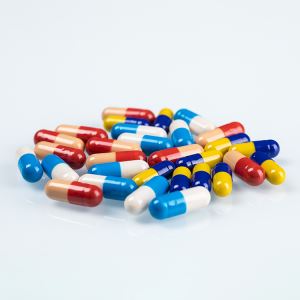

As a supplier of Empty Gel Capsule, I often encounter questions from clients regarding the functionality and properties of our products. One of the most frequently asked questions is whether empty gel capsules dissolve in the stomach. In this blog post, I'll delve into the science behind the dissolution of empty gel capsules in the stomach, exploring the factors that influence this process and the implications for their use.
Composition of Empty Gel Capsules
Empty gel capsules are typically made from two main types of materials: gelatin and vegetarian alternatives such as hypromellose (HPMC). Gelatin capsules are derived from animal collagen, usually sourced from bovine or porcine skins and bones. They are widely used due to their excellent solubility, flexibility, and compatibility with a variety of fill materials. On the other hand, vegetarian capsules, like HPMC capsules, are made from plant-based cellulose and are suitable for vegetarians and vegans.
How Gelatin Capsules Dissolve in the Stomach
Gelatin capsules are designed to dissolve quickly in the stomach, releasing their contents for absorption. The dissolution process begins as soon as the capsule comes into contact with the acidic environment of the stomach. The stomach secretes hydrochloric acid (HCl), which lowers the pH to around 1.5 - 3.5. This acidic environment triggers the breakdown of the gelatin matrix in the capsule.
Gelatin is a protein that undergoes hydrolysis in the presence of acid and enzymes. Pepsin, an enzyme secreted by the stomach lining, breaks down the peptide bonds in the gelatin, causing the capsule to swell and eventually dissolve. The time it takes for a gelatin capsule to dissolve can vary depending on several factors, including the size of the capsule, the thickness of the shell, and the composition of the fill material.
Factors Affecting Dissolution
Capsule Size
The size of the capsule plays a significant role in its dissolution time. Smaller capsules, such as Size 0 Gelatin Capsule, generally dissolve faster than larger ones. This is because they have a smaller surface area and less material to break down. Larger capsules may take a bit longer to dissolve, but they can accommodate more fill material.
Shell Thickness
The thickness of the capsule shell also affects dissolution. Thicker shells take longer to dissolve than thinner ones. Manufacturers can adjust the shell thickness to control the release rate of the fill material. For example, if a slow-release formulation is desired, a thicker shell may be used.
Fill Material
The composition of the fill material can influence the dissolution of the capsule. Some fill materials may interact with the capsule shell, either slowing down or speeding up the dissolution process. For instance, hydrophobic substances may coat the inside of the capsule, preventing the acid and enzymes from reaching the gelatin and delaying dissolution. On the other hand, hydrophilic substances may enhance the swelling and dissolution of the capsule.
Dissolution of Vegetarian Capsules
Vegetarian capsules, such as those made from HPMC, dissolve in a slightly different way compared to gelatin capsules. HPMC is a cellulose derivative that is insoluble in water but swells and dissolves in the presence of gastric fluids. The dissolution of HPMC capsules is also influenced by the pH and enzymes in the stomach.

In the acidic environment of the stomach, HPMC capsules swell and form a gel-like layer on the surface. This gel layer gradually erodes, allowing the fill material to be released. The dissolution time of HPMC capsules can be affected by similar factors as gelatin capsules, including size, shell thickness, and fill material.
Implications for Use
The ability of empty gel capsules to dissolve in the stomach is crucial for their effectiveness as a delivery system for medications, supplements, and other substances. When the capsule dissolves, it releases the fill material, which can then be absorbed by the body. This ensures that the active ingredients are delivered to the appropriate site in the body and can exert their intended effects.
For pharmaceutical applications, the dissolution rate of the capsule can be carefully controlled to achieve the desired release profile of the drug. Immediate-release capsules are designed to dissolve quickly, delivering the drug rapidly into the bloodstream. Sustained-release capsules, on the other hand, are formulated to dissolve slowly over time, providing a steady release of the drug.
Our Empty Gel Capsule Offerings
At our company, we offer a wide range of Empty Gel Capsule products to meet the diverse needs of our clients. Our capsules are available in various sizes, including the popular Size 0 Gelatin Capsule, and come in different colors, such as Yellow Capsules. We use high-quality materials and advanced manufacturing processes to ensure the consistency and quality of our capsules.

Whether you are a pharmaceutical company, a supplement manufacturer, or a research institution, our empty gel capsules are an excellent choice for your encapsulation needs. We are committed to providing our clients with the best products and services, and we are always happy to answer any questions you may have about our capsules.
Conclusion
In conclusion, empty gel capsules, whether made from gelatin or vegetarian alternatives, are designed to dissolve in the stomach. The dissolution process is influenced by several factors, including capsule size, shell thickness, and fill material. Understanding these factors is important for ensuring the effective delivery of the fill material and achieving the desired therapeutic or nutritional effects.
If you are interested in learning more about our Empty Gel Capsule products or have any questions about their use, please feel free to contact us. We would be delighted to discuss your specific requirements and help you find the right solution for your encapsulation needs.
References
- German, J. B., & Dillard, C. J. (2006). Handbook of food chemistry. Springer.
- Parrott, N. A. (2014). The science of nutraceuticals: a primer for healthcare professionals. CRC Press.
- Ritschel, W. A., & Krowczynski, A. (2006). Aqueous solubility and dissolution of drugs: concepts and applications. Springer.