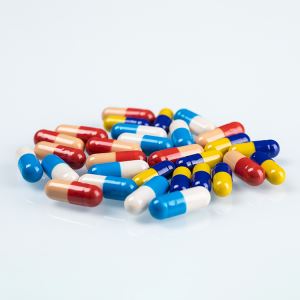

Do colored pill capsules have a different effect on the endocrine system than uncolored ones?
As a supplier of colored pill capsules, I've often encountered questions from customers about the potential differences between colored and uncolored pill capsules, especially in terms of their effects on the endocrine system. This is a topic that combines aspects of pharmacology, toxicology, and consumer health concerns. In this blog, I'll delve into the scientific basis behind these concerns and provide an in - depth analysis.
The Composition of Pill Capsules
Before discussing the potential effects on the endocrine system, it's essential to understand what pill capsules are made of. Most pill capsules are composed of gelatin, which is derived from animal collagen. Gelatin capsules are popular because they are easy to swallow, dissolve quickly in the digestive tract, and can be filled with a variety of medications or supplements.
Colored pill capsules are made by adding food - grade dyes to the gelatin mixture during the manufacturing process. These dyes are carefully selected to meet safety standards set by regulatory bodies such as the Food and Drug Administration (FDA) in the United States and the European Food Safety Authority (EFSA) in Europe.
The Endocrine System and Its Vulnerabilities
The endocrine system is a complex network of glands that secrete hormones into the bloodstream. These hormones regulate various bodily functions, including metabolism, growth and development, sexual function, and mood. Endocrine - disrupting chemicals (EDCs) are substances that can interfere with the normal functioning of the endocrine system. They can mimic or block the action of natural hormones, leading to a wide range of health problems, such as reproductive disorders, developmental abnormalities, and metabolic diseases.
Scientific Studies on Colored Capsule Dyes and the Endocrine System
To date, there is limited scientific evidence to suggest that the dyes used in colored pill capsules have a direct and significant effect on the endocrine system. Most of the food - grade dyes approved for use in pharmaceutical capsules have undergone extensive safety testing. For example, FD&C dyes (Food, Drug, and Cosmetic dyes) in the United States are required to meet strict purity and safety criteria.
However, some studies have raised concerns about certain synthetic dyes. For instance, some azo dyes, which are commonly used in food and pharmaceutical coloring, have been shown to have potential endocrine - disrupting properties in animal studies. These dyes can be metabolized in the body to form aromatic amines, some of which have been associated with hormonal imbalances. But it's important to note that the levels of these dyes in pill capsules are typically very low, and the risk of endocrine disruption may be minimal.
On the other hand, uncolored pill capsules do not contain these dyes. They are considered a more "natural" option in terms of their chemical composition. But this does not necessarily mean they are completely free from potential risks. Gelatin itself can sometimes cause allergic reactions in some individuals, although this is not related to the endocrine system.
Factors Affecting the Potential Impact
Several factors can influence whether colored pill capsules might have an effect on the endocrine system. The type and amount of dye used are crucial. Different dyes have different chemical structures and properties, which can affect their potential to interact with the endocrine system. The frequency and duration of exposure also matter. If a person takes colored pill capsules regularly over a long period, the cumulative exposure to the dyes may increase the risk of any potential endocrine - disrupting effects.


The individual's age, gender, and overall health status can also play a role. For example, children and pregnant women are generally more vulnerable to the effects of endocrine - disrupting chemicals due to their developing endocrine systems.
The Role of Regulatory Bodies
Regulatory bodies around the world play a vital role in ensuring the safety of colored pill capsules. They set strict limits on the types and amounts of dyes that can be used in pharmaceutical products. For example, the FDA has a list of approved FD&C dyes and their maximum allowable concentrations in different types of products, including pill capsules. Manufacturers are required to comply with these regulations to ensure the safety of their products.
Our Offerings as a Colored Pill Capsule Supplier
As a supplier, we offer a wide range of colored pill capsules that meet all the necessary safety standards. Our capsules are made from high - quality gelatin and use only approved food - grade dyes. We understand the concerns of our customers regarding the potential effects on the endocrine system, and we are committed to providing transparent information about our products.
We offer Fillable Gel Capsule, which are versatile and can be filled with different medications or supplements. Our 00 Gelatin Capsule is a popular size that is suitable for a variety of applications. And our Empty Medicine Capsule options give our customers the flexibility to customize their own products.
Conclusion and Call to Action
In conclusion, while there is some scientific uncertainty about the potential effects of colored pill capsules on the endocrine system, the current evidence suggests that the risk is likely to be low, especially when the capsules are made in compliance with regulatory standards. However, more research is needed to fully understand the long - term effects of these dyes.
If you are a pharmaceutical company, a supplement manufacturer, or an individual interested in our colored pill capsules, we encourage you to contact us for more information. We are happy to discuss our products in detail, provide samples, and engage in procurement discussions. Our team of experts is dedicated to providing you with the best - quality products and services.
References
- "Food Additives: Toxicology and Health Risks" by John D. Doull and Victor R. Preedy
- Articles published in peer - reviewed scientific journals such as Environmental Health Perspectives and Toxicological Sciences regarding endocrine - disrupting chemicals and pharmaceutical dyes.
- Regulatory guidelines from the FDA, EFSA, and other relevant regulatory bodies.