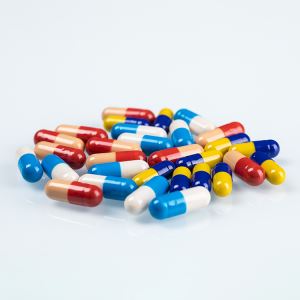

Can medicine capsules be used for hormonal medications?
Hormonal medications play a crucial role in treating a wide range of medical conditions, from endocrine disorders to reproductive health issues. As a medicine capsule supplier, I often receive inquiries about the suitability of our capsules for hormonal medications. In this blog post, I'll explore the factors involved in using medicine capsules for hormonal drugs, the types of capsules available, and considerations for pharmaceutical manufacturers.
Understanding Hormonal Medications
Hormonal medications are substances that mimic or regulate the body's natural hormones. They can be used to treat conditions such as diabetes, thyroid disorders, menopause, and infertility. These medications come in various forms, including tablets, injections, patches, and capsules. Capsules offer several advantages, such as ease of swallowing, accurate dosing, and the ability to mask unpleasant tastes.
Types of Medicine Capsules
There are two main types of medicine capsules: gelatin and vegetarian capsules. Gelatin capsules are made from animal collagen, typically sourced from beef or pork. They are widely used in the pharmaceutical industry due to their excellent solubility, stability, and compatibility with a variety of medications. Vegetarian capsules, on the other hand, are made from plant-based materials such as hydroxypropyl methylcellulose (HPMC) or pullulan. They are suitable for vegetarians and vegans and offer similar properties to gelatin capsules.
Suitability of Capsules for Hormonal Medications
When considering using capsules for hormonal medications, several factors need to be taken into account:
- Drug Compatibility: Hormonal medications can have different chemical properties, such as solubility, stability, and reactivity. It's essential to ensure that the capsule material is compatible with the drug to prevent any interactions that could affect the drug's efficacy or safety. Gelatin capsules are generally compatible with most hormonal medications, but it's always advisable to conduct compatibility studies before large-scale production.
- Release Profile: Hormonal medications may require a specific release profile to achieve the desired therapeutic effect. Capsules can be formulated to provide immediate release, delayed release, or sustained release of the drug. The choice of capsule type and formulation will depend on the drug's properties and the treatment requirements.
- Storage Conditions: Hormonal medications are often sensitive to environmental factors such as temperature, humidity, and light. Capsules should be designed to protect the drug from these factors and maintain its stability during storage and transportation. Gelatin capsules are more sensitive to moisture than vegetarian capsules, so proper packaging and storage conditions are crucial.
- Patient Acceptance: The size, shape, and appearance of the capsule can also affect patient acceptance. Hormonal medications are often taken for an extended period, so it's important to choose a capsule that is easy to swallow and visually appealing. Our Size 0 Gelatin Capsule and Size 1 Pill Capsule are popular choices due to their standard sizes and smooth surfaces.
Advantages of Using Capsules for Hormonal Medications
Despite the considerations mentioned above, using capsules for hormonal medications offers several advantages:
- Accurate Dosing: Capsules can be filled with a precise amount of the drug, ensuring accurate dosing and consistent therapeutic effects. This is particularly important for hormonal medications, which often require strict dosage control.
- Ease of Administration: Capsules are easy to swallow, making them a convenient option for patients, especially those who have difficulty taking tablets. They can also be taken with or without food, depending on the drug's instructions.
- Masking of Unpleasant Tastes: Hormonal medications can have unpleasant tastes or odors, which can affect patient compliance. Capsules can effectively mask these tastes and odors, making the medication more palatable.
- Flexibility in Formulation: Capsules can be formulated to meet the specific requirements of the drug and the patient. They can be filled with powders, granules, pellets, or liquids, allowing for a wide range of drug delivery options.
Our Capsule Products for Hormonal Medications
As a leading medicine capsule supplier, we offer a wide range of capsule products suitable for hormonal medications. Our Gelatin Capsule Coles are made from high-quality gelatin and are available in various sizes and colors. They are designed to provide excellent solubility, stability, and compatibility with a variety of medications. Our vegetarian capsules, made from HPMC or pullulan, are also a popular choice for hormonal medications, especially for patients with dietary restrictions.


Conclusion
In conclusion, medicine capsules can be used for hormonal medications, provided that the appropriate capsule type and formulation are chosen based on the drug's properties and the treatment requirements. Capsules offer several advantages, such as accurate dosing, ease of administration, and masking of unpleasant tastes. As a medicine capsule supplier, we are committed to providing high-quality capsule products that meet the needs of pharmaceutical manufacturers and patients. If you are interested in learning more about our capsule products for hormonal medications or have any questions, please feel free to contact us for a procurement discussion.
References
- Pharmaceutical Dosage Forms: Tablets, Volume 1, 3rd Edition, edited by Herbert A. Lieberman, Leon Lachman, and Joseph B. Schwartz.
- Remington: The Science and Practice of Pharmacy, 22nd Edition, edited by Philip B. Ansel, Howard C. Allen, and Nicholas G. Popovich.
- Handbook of Pharmaceutical Excipients, 7th Edition, edited by Raymond C. Rowe, Paul J. Sheskey, and Marian E. Quinn.