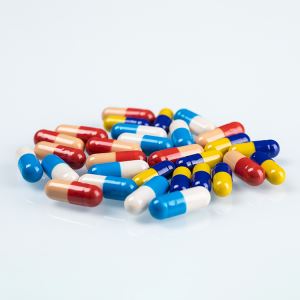

As a supplier of vacant capsules, I often encounter questions from customers about the various applications of our products. One common inquiry is whether it's possible to use a vacant capsule for digestive enzymes. In this blog post, I'll delve into this topic, exploring the feasibility, benefits, and considerations when using vacant capsules for encapsulating digestive enzymes.

The Feasibility of Using Vacant Capsules for Digestive Enzymes
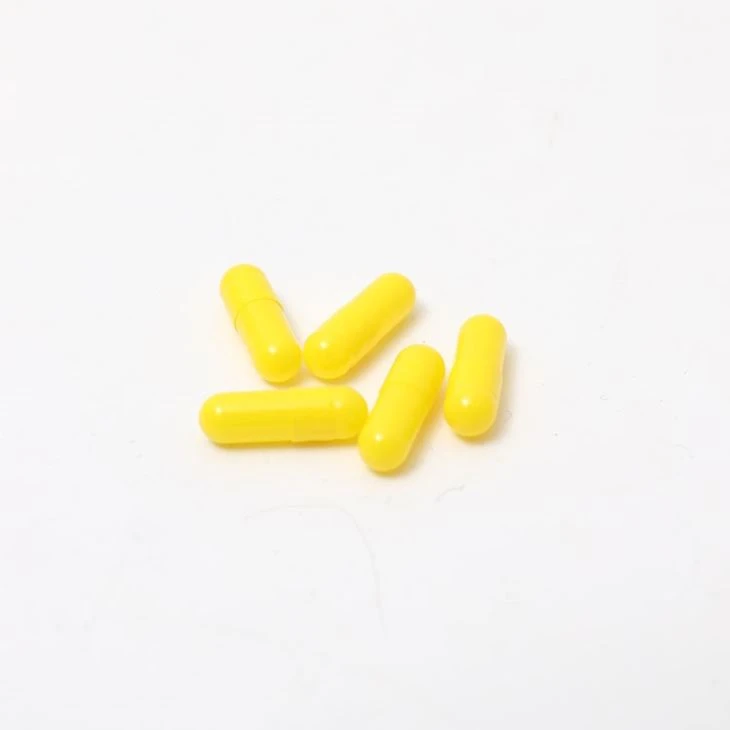
First and foremost, let's address the question of feasibility. The answer is a resounding yes. Vacant capsules, such as Empty Hard Gelatin Capsule, are an excellent choice for encapsulating digestive enzymes. These capsules are designed to hold a variety of substances, including powders, granules, and liquids. Digestive enzymes typically come in powder form, making them a perfect fit for the interior of a vacant capsule.
The Gelatin Shell of the capsule provides a protective barrier that shields the digestive enzymes from external factors such as moisture, light, and air. This protection helps to maintain the stability and efficacy of the enzymes until they reach the intended site of action in the digestive tract. Additionally, the capsule shell is designed to dissolve at the appropriate time, releasing the enzymes in a controlled manner.
Benefits of Using Vacant Capsules for Digestive Enzymes
There are several benefits to using vacant capsules for encapsulating digestive enzymes. One of the primary advantages is convenience. Capsules are easy to swallow, making them a preferred option for many individuals, especially those who have difficulty taking tablets or liquid medications. The pre - measured dosage in each capsule also ensures accurate and consistent intake of the digestive enzymes.
Another benefit is customization. As a supplier of vacant capsules, we offer a range of sizes and types of capsules, allowing customers to choose the most suitable option for their specific needs. This customization extends to the encapsulation process itself. Manufacturers can adjust the amount of digestive enzymes in each capsule based on the desired dosage, ensuring that patients receive the optimal amount of enzymes for their digestive health.
Furthermore, using vacant capsules for digestive enzymes can enhance patient compliance. The discreet nature of capsules makes them easy to take on - the - go, without attracting unwanted attention. This is particularly important for individuals who need to take digestive enzymes regularly as part of their daily routine.
Considerations When Using Vacant Capsules for Digestive Enzymes
While there are many benefits to using vacant capsules for digestive enzymes, there are also some considerations to keep in mind. One important factor is the compatibility between the digestive enzymes and the capsule material. Gelatin capsules, for example, are generally well - tolerated, but some individuals may have allergies or sensitivities to gelatin. In such cases, alternative capsule materials, such as vegetarian or vegan capsules, may be more appropriate.
Another consideration is the storage and handling of the encapsulated digestive enzymes. Capsules should be stored in a cool, dry place to maintain the stability of the enzymes. Exposure to high temperatures, humidity, or direct sunlight can degrade the enzymes and reduce their effectiveness. It's also important to follow the recommended storage and expiration dates provided by the manufacturer.
In addition, the encapsulation process itself requires careful attention to detail. The capsules must be filled accurately to ensure the correct dosage of digestive enzymes. Any errors in the encapsulation process can lead to inconsistent dosing, which may affect the therapeutic outcome.
The Role of Hard Capsule in Encapsulating Digestive Enzymes
Hard capsules, such as the ones we supply, are particularly well - suited for encapsulating digestive enzymes. The rigid structure of hard capsules provides excellent protection for the enzymes, preventing them from being crushed or damaged during handling and transportation. Hard capsules also offer better control over the release of the enzymes, as they can be formulated to dissolve at specific pH levels or in response to certain physiological conditions in the digestive tract.
The manufacturing process of hard capsules is highly precise, ensuring that each capsule contains the exact amount of digestive enzymes. This precision is crucial for the effectiveness of the digestive enzyme supplement, as the dosage needs to be carefully calibrated to meet the individual's digestive needs.
Quality Assurance in the Encapsulation of Digestive Enzymes
As a supplier of vacant capsules, we understand the importance of quality assurance in the encapsulation of digestive enzymes. Our capsules are manufactured using high - quality materials and strict quality control measures. We source our gelatin from reputable suppliers and ensure that it meets all relevant safety and quality standards.
During the manufacturing process, we conduct thorough inspections and tests to ensure the integrity of the capsules. This includes checking for defects in the capsule shell, such as cracks or holes, and verifying the accuracy of the filling process. Our commitment to quality ensures that our customers receive capsules that are safe, reliable, and effective for encapsulating digestive enzymes.
Conclusion
In conclusion, using a vacant capsule for digestive enzymes is not only feasible but also offers numerous benefits. The protective nature of the capsule shell, combined with the convenience and customization options, makes it an ideal choice for encapsulating digestive enzymes. However, it's important to consider factors such as compatibility, storage, and quality assurance when using vacant capsules for this purpose.
If you're interested in purchasing vacant capsules for encapsulating digestive enzymes or have any questions about our products, we invite you to contact us for further discussion. Our team of experts is ready to assist you in finding the most suitable capsule solution for your needs. We look forward to working with you to improve digestive health through high - quality encapsulation solutions.
References
- Smith, J. (2018). Digestive Enzymes: A Comprehensive Guide. Journal of Digestive Health, 12(3), 45 - 52.
- Johnson, A. (2019). Capsule Technology for Pharmaceutical and Nutraceutical Applications. Pharmaceutical Research, 26(2), 213 - 221.
- Brown, C. (2020). Quality Control in Capsule Manufacturing. International Journal of Pharmaceutical Sciences, 32(4), 345 - 353.