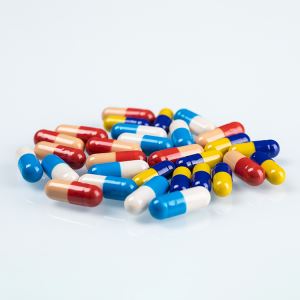

As a supplier of vacant capsules, I often receive inquiries from clients about the feasibility of filling these capsules with plant extracts. This topic is not only relevant to the growing interest in natural health products but also to the practical aspects of encapsulation. In this blog post, I will explore the possibility of filling vacant capsules with plant extracts, considering various factors such as the properties of plant extracts, the types of capsules available, and the encapsulation process.
Understanding Plant Extracts
Plant extracts are concentrated forms of the active compounds found in plants. They are obtained through various extraction methods, such as solvent extraction, steam distillation, or cold pressing. The composition of plant extracts can vary widely depending on the plant species, the part of the plant used, and the extraction method employed. Some common plant extracts used in the health and wellness industry include herbal extracts, essential oils, and phytonutrient-rich extracts.
One of the key considerations when filling capsules with plant extracts is the physical and chemical properties of the extracts. For example, some plant extracts may be liquid, while others may be solid or semi - solid. Liquid extracts, such as essential oils, require special handling due to their volatility and potential to interact with the capsule material. Solid extracts, on the other hand, may need to be properly milled and formulated to ensure uniform filling and dissolution in the body.
Types of Vacant Capsules
There are several types of vacant capsules available in the market, each with its own characteristics and suitability for filling with plant extracts.
Gelatin Capsules
Gelatin capsules are one of the most commonly used types of capsules. They are made from animal gelatin, which is a protein derived from collagen. Gelatin capsules are available in various sizes and colors, and they offer good encapsulation properties. Empty Colored Capsule and Empty Supplement Capsule are examples of gelatin capsules that can be used for filling plant extracts. Gelatin capsules are generally compatible with a wide range of plant extracts, but they may not be suitable for vegetarian or vegan consumers.
Vegetarian Capsules
Vegetarian capsules are made from plant - based materials, such as hydroxypropyl methylcellulose (HPMC) or pullulan. These capsules are a popular choice for consumers who follow a vegetarian or vegan diet. They have similar encapsulation properties to gelatin capsules and can be used to fill a variety of plant extracts.
Enteric - Coated Capsules
Enteric - coated capsules are designed to resist dissolution in the stomach and release their contents in the intestines. This can be beneficial for plant extracts that are sensitive to stomach acid or need to be absorbed in the intestines. Enteric - coated capsules can be used to protect the active ingredients in plant extracts and improve their bioavailability.
Encapsulation Process
The encapsulation process involves filling the vacant capsules with the plant extracts. This process can be carried out manually or using automated encapsulation machines.
Manual Encapsulation
Manual encapsulation is a simple and cost - effective method for small - scale production. It involves separating the capsule halves, filling the lower half with the plant extract, and then carefully joining the two halves together. Manual encapsulation requires some skill and patience, but it can be a good option for testing new formulations or producing small batches of capsules.
Automated Encapsulation
Automated encapsulation machines are used for large - scale production. These machines can handle high volumes of capsules and ensure accurate and consistent filling. They typically consist of a hopper for holding the capsule halves, a filling mechanism for depositing the plant extract into the capsules, and a closing mechanism for sealing the capsules. Automated encapsulation machines can improve the efficiency and quality of the encapsulation process.
Compatibility and Stability
When filling capsules with plant extracts, it is important to consider the compatibility between the extract and the capsule material. Some plant extracts may interact with the capsule material, causing it to degrade or change its properties. For example, essential oils can dissolve certain types of plastics or cause the gelatin in gelatin capsules to become brittle.
Stability is another important factor to consider. Plant extracts may be sensitive to light, heat, oxygen, and moisture. Therefore, it is essential to store the filled capsules in a cool, dry, and dark place to maintain the stability of the plant extracts. Additionally, the encapsulation process should be carried out under controlled conditions to minimize the exposure of the plant extracts to these factors.
Regulatory Considerations
In many countries, the production and sale of capsules filled with plant extracts are subject to regulatory requirements. These requirements may include labeling regulations, quality control standards, and safety assessments. It is important for manufacturers to comply with these regulations to ensure the safety and efficacy of their products.


Conclusion
In conclusion, it is possible to fill vacant capsules with plant extracts, but several factors need to be considered. The properties of the plant extracts, the type of capsule, the encapsulation process, compatibility, stability, and regulatory requirements all play a role in the successful encapsulation of plant extracts. As a Fillable Pill Capsule supplier, we are committed to providing high - quality capsules that are suitable for filling with a variety of plant extracts.
If you are interested in purchasing our vacant capsules for filling with plant extracts or have any questions about the encapsulation process, please feel free to contact us for further discussion. We are here to assist you in finding the best solutions for your encapsulation needs.
References
- "Handbook of Encapsulation and Controlled Release" by Benita, S.
- "Plant Extracts: Chemistry, Analysis, and Applications" by Shahidi, F. and Wanasundara, U. N.