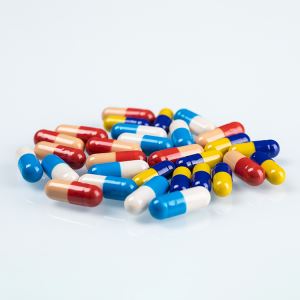

As a supplier of vacant capsules, I've encountered numerous inquiries regarding the optimal storage conditions for these essential pharmaceutical and nutraceutical components. Vacant capsules, whether Empty Gelatin Capsule, Gelatine Capsule, or Hard Gelatin Capsule Shell, are highly sensitive to their environment. In this blog, I'll delve into the storage conditions that can potentially damage vacant capsules and offer insights on how to preserve their quality.
Temperature Fluctuations
Temperature is one of the most critical factors affecting the integrity of vacant capsules. Gelatin capsules, in particular, are highly sensitive to temperature changes. When exposed to high temperatures, gelatin capsules can soften, deform, or even stick together. This is because gelatin is a protein-based material that undergoes physical changes at elevated temperatures.
For instance, if the storage temperature exceeds 30°C (86°F), the gelatin in the capsules may start to lose its structural integrity. The capsules can become sticky, making them difficult to handle and fill. In extreme cases, the capsules may fuse together, rendering them unusable.
On the other hand, low temperatures can also pose problems. If the capsules are stored at temperatures below 10°C (50°F), the gelatin can become brittle and prone to cracking. This can lead to leakage of the contents once the capsules are filled, compromising the quality and efficacy of the product.
To prevent temperature-related damage, it's crucial to store vacant capsules in a temperature-controlled environment. The ideal storage temperature for gelatin capsules is between 15°C and 25°C (59°F and 77°F). This range helps maintain the structural integrity of the capsules and ensures their optimal performance.
Humidity Levels
Humidity is another significant factor that can impact the quality of vacant capsules. Gelatin capsules are hygroscopic, meaning they absorb moisture from the surrounding environment. When exposed to high humidity levels, the capsules can absorb excessive moisture, causing them to swell, soften, and lose their shape.
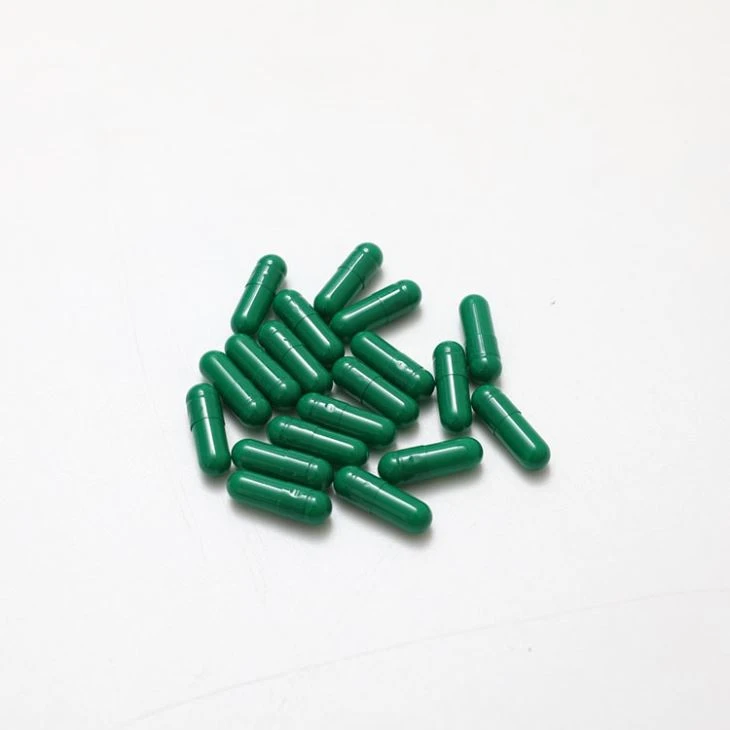

High humidity can also promote the growth of mold and bacteria on the surface of the capsules. This not only affects the appearance of the capsules but also poses a health risk if the contaminated capsules are used to fill medications or supplements.
Conversely, low humidity levels can cause the capsules to lose moisture and become dry and brittle. This can lead to cracking and splitting of the capsules, which can affect their functionality.
The ideal relative humidity for storing vacant capsules is between 30% and 60%. To maintain these humidity levels, it's recommended to use dehumidifiers or humidifiers in the storage area, depending on the ambient conditions. Additionally, storing the capsules in sealed containers or packaging can help protect them from moisture fluctuations.
Light Exposure
Light exposure can also have a detrimental effect on the quality of vacant capsules. Ultraviolet (UV) light, in particular, can cause the gelatin in the capsules to degrade over time. This can lead to changes in the color, transparency, and mechanical properties of the capsules.
Prolonged exposure to light can also cause the capsules to become more brittle and prone to cracking. This can affect the integrity of the capsules and increase the risk of leakage of the contents.
To minimize the impact of light exposure, it's advisable to store vacant capsules in opaque containers or packaging. This helps block out UV light and protects the capsules from degradation. Additionally, storing the capsules in a dark area away from direct sunlight can further reduce the risk of light-induced damage.
Air Quality
The quality of the air in the storage area can also affect the condition of vacant capsules. Airborne pollutants, such as dust, dirt, and chemicals, can contaminate the capsules and affect their quality.
Dust and dirt particles can accumulate on the surface of the capsules, making them look dirty and unappealing. Additionally, these particles can scratch the surface of the capsules, which can affect their appearance and functionality.
Chemicals, such as solvents and cleaning agents, can also have a negative impact on the capsules. Exposure to these chemicals can cause the gelatin in the capsules to dissolve or react, leading to changes in their physical and chemical properties.
To ensure good air quality in the storage area, it's important to keep the area clean and free from dust and dirt. Regular cleaning and maintenance of the storage facility can help prevent the accumulation of pollutants. Additionally, using air filters and ventilation systems can help improve the air quality and reduce the risk of contamination.
Storage Containers
The choice of storage containers can also play a role in protecting vacant capsules from damage. The containers should be made of a material that is compatible with the capsules and provides a barrier against moisture, light, and air.
Plastic containers are a popular choice for storing vacant capsules because they are lightweight, durable, and relatively inexpensive. However, not all plastics are suitable for storing capsules. Some plastics may contain chemicals that can leach into the capsules and affect their quality.
Glass containers are another option for storing capsules. Glass is inert and does not react with the capsules, making it a safe and reliable storage material. However, glass containers are heavier and more fragile than plastic containers, which can make them more difficult to handle and transport.
When choosing a storage container, it's important to consider the size and shape of the capsules, as well as the storage conditions. The containers should be large enough to accommodate the capsules without overcrowding them, and they should have a tight-fitting lid to prevent moisture and air from entering.
Conclusion
In conclusion, proper storage conditions are essential for maintaining the quality and integrity of vacant capsules. Temperature, humidity, light exposure, air quality, and storage containers all play a crucial role in protecting the capsules from damage.
As a supplier of vacant capsules, I understand the importance of providing high-quality products that meet the needs of my customers. By following the recommended storage guidelines, you can ensure that your vacant capsules remain in optimal condition and perform as expected.
If you're interested in purchasing vacant capsules or have any questions about their storage and handling, please don't hesitate to contact me. I'm here to provide you with the information and support you need to make informed decisions about your capsule requirements.
References
- "Gelatin Capsules: Properties, Manufacture, and Applications." Pharmaceutical Capsules: Technology and Performance, edited by Glyn R. Martin, CRC Press, 2017.
- "Storage Conditions for Pharmaceutical Products." Handbook of Pharmaceutical Manufacturing Formulations: Over-the-Counter Products, edited by Sarfaraz N. Khadka, CRC Press, 2018.
- "Quality Control of Empty Capsules." Pharmaceutical Technology Europe, vol. 22, no. 6, 2010, pp. 34-39.