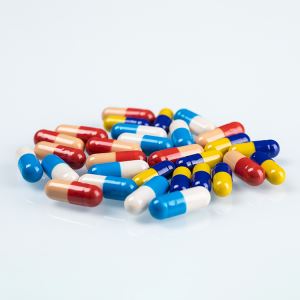

Hey there! As a supplier of vacant capsules, I've been getting a lot of questions lately about the chemical stability of different types of these capsules. So, I thought I'd take a deep - dive into this topic and share some insights with you all.
First off, let's talk about what chemical stability means in the context of vacant capsules. Chemical stability refers to the ability of a capsule to resist chemical changes over time, especially when it comes into contact with the substances it's meant to encapsulate. This is super important because if a capsule isn't chemically stable, it can react with the contents, which might lead to a loss of efficacy, changes in the physical properties of the capsule or the drug, and even safety issues.
There are several types of vacant capsules out there, and each has its own unique characteristics when it comes to chemical stability.
Gelatin Capsules
Gelatin capsules are one of the most commonly used types. They're made from animal collagen, usually sourced from bovine or porcine skin and bones. Gelatin is a natural polymer that has been used in the pharmaceutical and nutraceutical industries for ages.
One of the great things about gelatin capsules is their relatively good chemical stability in many common applications. Gelatin is generally inert and doesn't react easily with a wide range of substances. For example, it can hold up well when filled with most water - soluble and oil - soluble drugs and supplements.
However, gelatin capsules do have some limitations. They're sensitive to moisture. When exposed to high humidity, gelatin can absorb water, which might cause the capsules to soften, stick together, or even dissolve in extreme cases. This is because the water molecules can disrupt the hydrogen bonds in the gelatin structure. Also, gelatin capsules can react with some acidic or alkaline substances over time. For instance, strong acids can hydrolyze the gelatin, breaking down its structure and affecting the integrity of the capsule.
If you're interested in gelatin - based options, you can check out our Empty Gel Capsule and Pill Capsules on our website.
Vegetarian Capsules
Vegetarian capsules have been gaining popularity in recent years, especially among consumers who prefer plant - based products. The most common type of vegetarian capsule is made from hydroxypropyl methylcellulose (HPMC).
HPMC capsules offer some advantages in terms of chemical stability. They're more resistant to moisture compared to gelatin capsules. This means they can be stored in a wider range of humidity conditions without significant changes in their physical properties. They also have better stability in acidic environments. For example, they can be used to encapsulate acidic drugs without the risk of rapid degradation like gelatin capsules might face.
On the flip side, HPMC capsules might not be as stable in high - temperature environments. At elevated temperatures, the HPMC can start to break down, which could affect the release profile of the encapsulated substance. Also, some research has shown that HPMC capsules might have a slightly higher oxygen permeability compared to gelatin capsules. This could be a concern if the encapsulated substance is sensitive to oxidation.
Pullulan Capsules
Pullulan is another material used to make vacant capsules. Pullulan is a natural polysaccharide produced by a yeast - like fungus.
Pullulan capsules are known for their excellent chemical stability. They're highly resistant to both moisture and oxygen. This makes them a great choice for encapsulating substances that are sensitive to oxidation and moisture, such as some vitamins and probiotics.
They also have good compatibility with a wide range of drugs and supplements. They don't react easily with different chemical compounds, which helps maintain the integrity of the encapsulated product. However, pullulan capsules are relatively more expensive compared to gelatin and HPMC capsules, which might limit their widespread use.


Factors Affecting Chemical Stability
Apart from the type of capsule material, there are other factors that can influence the chemical stability of vacant capsules.
Storage Conditions: As mentioned earlier, temperature and humidity play a huge role. High temperatures can accelerate chemical reactions, while high humidity can cause moisture - related problems. It's important to store capsules in a cool, dry place to maintain their stability.
The Encapsulated Substance: Different drugs and supplements have different chemical properties. Some substances are more reactive than others. For example, substances with high - energy functional groups or those that are prone to oxidation or hydrolysis can have a greater impact on the stability of the capsule.
Additives and Coatings: Sometimes, capsules are coated with additives to improve their properties, such as enteric coatings. These coatings can affect the chemical stability of the capsule. An enteric coating is designed to resist dissolution in the stomach and dissolve in the intestines. However, the coating material itself might interact with the capsule material or the encapsulated substance, which could potentially affect stability.
So, how do you choose the right type of vacant capsule based on chemical stability? Well, it depends on your specific needs.
If you're encapsulating a moisture - sensitive substance, HPMC or pullulan capsules might be a better choice than gelatin capsules. If cost is a major factor and the substance isn't extremely sensitive to moisture, gelatin capsules could be a good option. And if you're dealing with a substance that's highly sensitive to oxidation and moisture, pullulan capsules are likely your best bet.
We offer a wide range of Empty Capsule options to meet different requirements. Whether you're in the pharmaceutical, nutraceutical, or cosmetic industry, we've got you covered.
If you're interested in learning more about our products or have any questions regarding the chemical stability of our vacant capsules, don't hesitate to reach out. We're here to help you make the best choice for your encapsulation needs. We can provide you with samples and detailed information to ensure that you're getting the most suitable capsules for your product.
In conclusion, different types of vacant capsules do have differences in chemical stability. Understanding these differences is crucial for ensuring the quality and efficacy of the encapsulated products. By considering the type of capsule material, storage conditions, and the nature of the encapsulated substance, you can make an informed decision and choose the right capsules for your business. So, if you're in the market for high - quality vacant capsules, give us a shout, and let's start a great partnership!
References
- "Handbook of Pharmaceutical Excipients" - This comprehensive reference provides detailed information about the properties of different capsule materials and their interactions with various substances.
- Research articles on the chemical stability of pharmaceutical capsules published in journals like the "Journal of Pharmaceutical Sciences" and "International Journal of Pharmaceutics". These articles offer in - depth studies on the factors affecting capsule stability and the performance of different capsule types.