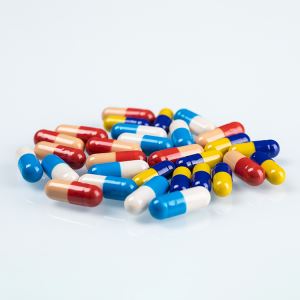

Hey there! As a supplier of empty pill capsules, I often get asked about the color stability of different types of capsules. It's a crucial aspect, especially for those in the pharmaceutical and nutraceutical industries. After all, a consistent color not only gives a professional look but can also be an indicator of the product's quality. So, let's dive into whether there are any differences in color stability between different types of empty pill capsules.
Types of Empty Pill Capsules
First off, let's talk about the common types of empty pill capsules. The two main ones are gelatin and vegetarian capsules. Gelatin capsules are made from animal collagen, usually sourced from cows or pigs. They've been around for ages and are widely used because they're easy to manufacture, have good solubility, and can hold a variety of fillings. On the other hand, vegetarian capsules are typically made from plant-based materials like hydroxypropyl methylcellulose (HPMC) or pullulan. They're a great option for those who follow a vegetarian or vegan diet, or for products that need to be kosher or halal-certified.

Gelatin Capsules and Color Stability
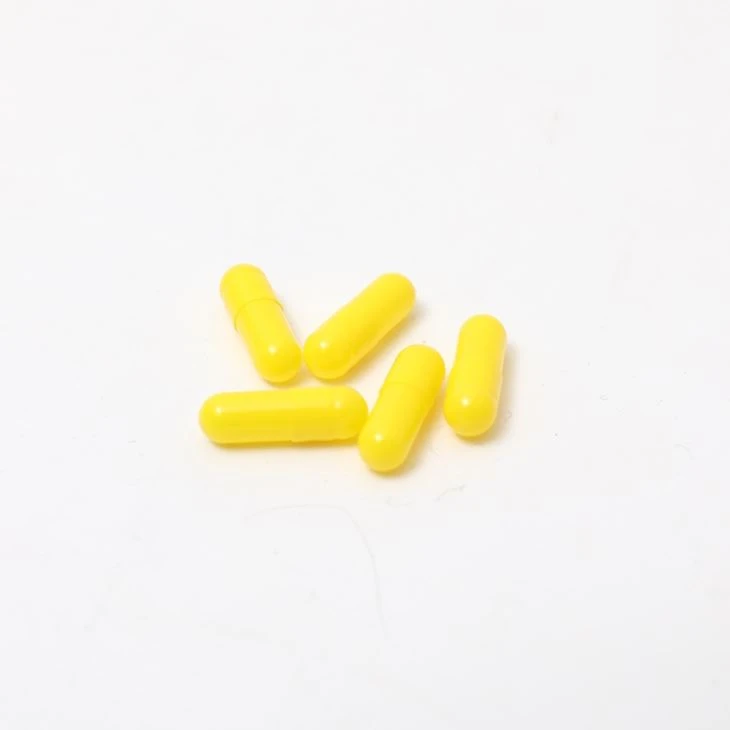
Gelatin capsules are known for their relatively good color stability. The manufacturing process of Empty Gelatin Capsule Shell allows for a consistent incorporation of colorants. Gelatin has a natural affinity for many dyes, which means the color can be evenly distributed throughout the capsule shell.
However, there are some factors that can affect the color stability of gelatin capsules. One of the main ones is humidity. Gelatin is a hygroscopic material, which means it can absorb moisture from the environment. When the humidity is high, the gelatin can swell, and this can cause the color to fade or become uneven. Another factor is exposure to light. Prolonged exposure to UV light can break down the colorants in the gelatin, leading to a change in color over time.
But hey, don't worry too much. With proper storage conditions, like keeping the capsules in a cool, dry place away from direct sunlight, the color stability of gelatin capsules can be maintained for a long time. Also, modern manufacturing techniques have improved the resistance of gelatin capsules to environmental factors, so the color change is usually minimal.
Vegetarian Capsules and Color Stability
Now, let's talk about vegetarian capsules. Gelatin Coated Capsule is a type of vegetarian capsule that has a gelatin coating, but let's focus on the pure vegetarian ones made from HPMC or pullulan.
HPMC capsules generally have good color stability as well. They're less hygroscopic than gelatin capsules, which means they're less affected by humidity. This is a big plus when it comes to color stability because the risk of color fading due to moisture absorption is lower. However, HPMC capsules can be more sensitive to certain types of colorants. Some dyes may not bind as well to the HPMC material, which can result in a less consistent color or a higher risk of color migration.
Pullulan capsules are another option. They're made from a natural polysaccharide and are known for their excellent oxygen and moisture barrier properties. This can contribute to better color stability because they can protect the colorants from environmental factors. But like HPMC capsules, the choice of colorant is crucial. Some colorants may not work well with pullulan, so it's important to test them thoroughly during the formulation process.
Size Matters: The Case of 00 Gel Capsule
When it comes to color stability, the size of the capsule can also play a role. Take the 00 Gel Capsule for example. Larger capsules like the 00 size may have a slightly different color distribution compared to smaller ones. This is because the manufacturing process may result in a thicker wall for larger capsules, and the colorant may not penetrate as evenly throughout the thicker material.
However, this doesn't mean that the color stability of 00 gel capsules is significantly worse. Manufacturers have ways to ensure that the color is as consistent as possible, regardless of the capsule size. They may adjust the manufacturing parameters or use special techniques to improve the color distribution in larger capsules.
Testing and Quality Control
As a supplier, we take color stability very seriously. We conduct a series of tests to ensure that our capsules meet the highest standards. We test the color consistency of the capsules right after manufacturing to make sure there are no visible differences in color between batches. We also perform accelerated aging tests, where we expose the capsules to high humidity, temperature, and light conditions to simulate long-term storage. This helps us predict how the color will change over time and make any necessary adjustments to the formulation or manufacturing process.
Conclusion
So, are there any differences in color stability between different types of empty pill capsules? The answer is yes, but the differences are not huge. Gelatin capsules have good color stability but can be affected by humidity and light. Vegetarian capsules, on the other hand, are less affected by humidity but may have some issues with colorant compatibility. The size of the capsule can also have a minor impact on color distribution.
If you're in the market for empty pill capsules and are concerned about color stability, don't hesitate to reach out to us. We can provide you with samples of different types of capsules so you can test the color stability for yourself. We're always happy to have a chat and help you find the best solution for your needs. Whether you're looking for Empty Gelatin Capsule Shell, Gelatin Coated Capsule, or 00 Gel Capsule, we've got you covered. Let's start a conversation and see how we can work together to meet your capsule requirements.
References
- "Handbook of Pharmaceutical Excipients"
- "Pharmaceutical Capsules: Technology and Production"
- Industry research reports on capsule manufacturing and quality control