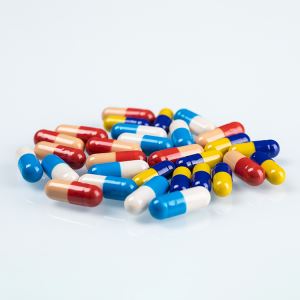

Hey there! As a supplier of small gel capsules, I've been getting a lot of questions lately about whether these little guys are environmentally friendly. So, I thought I'd take a deep dive into the topic and share what I've found out.
Let's start with the basics. Small gel capsules are commonly used in the pharmaceutical, nutraceutical, and food industries to encapsulate various substances like medications, vitamins, and supplements. They're made from different materials, with gelatin being one of the most popular choices. Gelatin is derived from animal collagen, usually from cows or pigs. There are also vegetarian and vegan alternatives, such as capsules made from plant-based materials like hydroxypropyl methylcellulose (HPMC).
The Environmental Impact of Gelatin Capsules
When it comes to gelatin capsules, there are a few environmental factors to consider. First off, the production of gelatin itself has an environmental footprint. The process of obtaining collagen from animals involves raising livestock, which requires a significant amount of land, water, and feed. Livestock farming is also a major contributor to greenhouse gas emissions, mainly through methane production from cows' digestive systems and manure management.
On top of that, the processing of gelatin involves several chemical steps, including acid and alkali treatments, which can generate waste and pollution if not properly managed. However, many gelatin manufacturers are taking steps to improve their environmental performance. They're implementing more sustainable farming practices, reducing water usage, and finding ways to minimize waste and emissions during the production process.
Another aspect to think about is the disposal of gelatin capsules. Since they're made from natural materials, gelatin capsules are generally biodegradable. This means that they can break down over time in the environment, reducing the amount of long-term waste. However, the rate of biodegradation depends on various factors, such as the environmental conditions (temperature, humidity, presence of microorganisms) and the specific formulation of the capsule.


The Benefits of Vegetarian and Vegan Capsules
If you're concerned about the environmental impact of animal-derived products, vegetarian and vegan capsules might be a better option. HPMC capsules, for example, are made from plant cellulose, which is a renewable resource. The production of HPMC generally has a lower environmental footprint compared to gelatin production, as it doesn't involve livestock farming and the associated environmental issues.
HPMC capsules are also biodegradable, and they offer some additional advantages. They're suitable for vegetarians and vegans, which expands the market for products encapsulated in these capsules. They also have better moisture resistance and stability in some cases, which can improve the shelf life of the encapsulated substances. You can check out our Semi transparent Capsules for more information on these eco-friendly options.
Recycling and Waste Management
While biodegradability is a great feature, it's still important to consider proper waste management and recycling options. In some cases, capsules can be recycled along with other plastic or organic waste, depending on the local recycling facilities and regulations. However, it's not always straightforward, as capsules may need to be separated from the encapsulated substances first.
As a supplier, we're constantly looking for ways to promote more sustainable practices. We're working on developing better packaging solutions that are more recyclable and reducing the overall amount of packaging materials we use. We also encourage our customers to dispose of capsules responsibly and to consider the environmental impact when choosing their encapsulation options.
Our Commitment to Sustainability
At our company, we take environmental sustainability seriously. We're committed to sourcing our materials from suppliers who follow sustainable practices and to reducing our own environmental footprint during the production process. We're also investing in research and development to find new and more sustainable ways to produce small gel capsules.
For example, we're exploring the use of alternative materials and production methods that can further reduce the environmental impact. We're also looking into ways to improve the biodegradability of our capsules and to make them more easily recyclable. We believe that by taking these steps, we can not only meet the growing demand for environmentally friendly products but also contribute to a more sustainable future.
Are Small Gel Capsules Environmentally Friendly?
So, to answer the question, are small gel capsules environmentally friendly? Well, it depends. Gelatin capsules have some environmental drawbacks, mainly related to the livestock farming and processing involved in their production. However, they're biodegradable, and many manufacturers are working on improving their sustainability. Vegetarian and vegan capsules, on the other hand, generally have a lower environmental footprint and are a great option for those looking for more eco-friendly alternatives.
Ultimately, the environmental friendliness of small gel capsules also depends on how they're produced, used, and disposed of. By choosing suppliers who prioritize sustainability, using capsules responsibly, and promoting proper waste management, we can all play a part in reducing the environmental impact of these products.
If you're interested in learning more about our small gel capsules or have any questions about their environmental impact, feel free to reach out to us. We'd be more than happy to chat with you and help you find the right encapsulation solution for your needs. Whether you're looking for 00 Gelatin Capsule or Empty Capsule Shells, we've got you covered. Let's work together to make a positive impact on the environment while meeting your business goals.
References
- "The Environmental Impact of Gelatin Production." Journal of Environmental Science and Technology.
- "Sustainable Packaging Solutions for the Pharmaceutical Industry." Packaging Digest.
- "Biodegradability of Gelatin and HPMC Capsules." International Journal of Pharmaceutics.