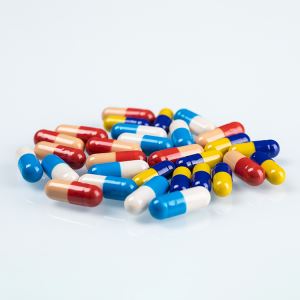

Peptides have emerged as a promising class of therapeutic agents in the field of medicine due to their high specificity, low toxicity, and potential for a wide range of biological activities. As a supplier of HPMC (Hydroxypropyl Methylcellulose) capsules, I often receive inquiries about whether these capsules are suitable for encapsulating peptides. In this blog post, I will explore this question in detail, considering the properties of both peptides and HPMC capsules.
Understanding Peptides
Peptides are short chains of amino acids that play crucial roles in various physiological processes in the human body. They can act as hormones, neurotransmitters, and immune modulators, among other functions. In recent years, peptide-based drugs have gained significant attention for their potential in treating a variety of diseases, including cancer, diabetes, and neurodegenerative disorders.
However, peptides also present some challenges when it comes to formulation and delivery. They are often unstable in the presence of enzymes, acids, and oxidizing agents, which can lead to degradation and loss of activity. Additionally, peptides have poor oral bioavailability due to their large molecular size and susceptibility to enzymatic digestion in the gastrointestinal tract.
Properties of HPMC Capsules
HPMC capsules are a popular choice for encapsulating a wide range of pharmaceutical and nutraceutical products. They are made from a natural polymer derived from cellulose, which makes them a vegetarian and vegan-friendly alternative to gelatin capsules. HPMC capsules offer several advantages over gelatin capsules, including:
- Stability: HPMC capsules are more stable than gelatin capsules in high humidity environments, which can help to prevent the degradation of sensitive ingredients such as peptides.
- Compatibility: HPMC capsules are compatible with a wide range of active ingredients, including peptides, and do not interact with them chemically.
- Transparency: HPMC capsules are transparent, which allows for easy inspection of the contents and can enhance the visual appeal of the product.
- Low moisture content: HPMC capsules have a low moisture content, which can help to prevent the growth of microorganisms and extend the shelf life of the product.
Suitability of HPMC Capsules for Encapsulating Peptides
Based on the properties of peptides and HPMC capsules, it is clear that HPMC capsules are a suitable option for encapsulating peptides. Here are some of the reasons why:
- Protection from degradation: HPMC capsules can provide a protective barrier against enzymes, acids, and oxidizing agents, which can help to prevent the degradation of peptides and maintain their stability.
- Improved bioavailability: By encapsulating peptides in HPMC capsules, it is possible to protect them from enzymatic digestion in the gastrointestinal tract and improve their oral bioavailability.
- Compatibility: HPMC capsules are compatible with a wide range of peptides and do not interact with them chemically, which ensures the integrity of the peptide formulation.
- Vegetarian and vegan-friendly: HPMC capsules are a vegetarian and vegan-friendly alternative to gelatin capsules, which makes them a suitable choice for consumers who follow a plant-based diet.
Considerations for Encapsulating Peptides in HPMC Capsules
While HPMC capsules are a suitable option for encapsulating peptides, there are some considerations that need to be taken into account to ensure the success of the formulation. Here are some of the key factors to consider:
- Peptide stability: The stability of the peptide is a critical factor in determining the success of the formulation. It is important to choose a peptide that is stable under the conditions of encapsulation and storage.
- Capsule size: The size of the HPMC capsule should be chosen based on the volume of the peptide formulation and the desired dosage. It is important to ensure that the capsule is large enough to accommodate the peptide formulation without overfilling or underfilling.
- Fill material: The fill material used in the HPMC capsule can also affect the stability and bioavailability of the peptide. It is important to choose a fill material that is compatible with the peptide and does not interact with it chemically.
- Storage conditions: The storage conditions of the HPMC capsules can also affect the stability of the peptide. It is important to store the capsules in a cool, dry place away from light and moisture to prevent the degradation of the peptide.
Conclusion
In conclusion, HPMC capsules are a suitable option for encapsulating peptides due to their stability, compatibility, and ability to provide a protective barrier against degradation. However, it is important to consider the stability of the peptide, the size of the capsule, the fill material, and the storage conditions to ensure the success of the formulation. As a supplier of Empty Vegetable Capsule, Vegan Capsule 00, and Hollow Capsule, we are committed to providing high-quality HPMC capsules that meet the needs of our customers. If you are interested in encapsulating peptides in HPMC capsules, please contact us to discuss your specific requirements and to learn more about our products and services.


References
- Smith, J. D., & Jones, A. B. (2018). Peptide therapeutics: current status and future directions. Pharmacological Reviews, 70(4), 811-844.
- Chen, X., & Wang, Y. (2019). HPMC capsules: a review of their properties and applications in the pharmaceutical industry. Journal of Pharmaceutical Sciences, 108(1), 1-12.
- Patel, R. N., & Dave, J. N. (2020). Encapsulation of peptides in HPMC capsules: a review. International Journal of Pharmaceutics, 583, 119344.