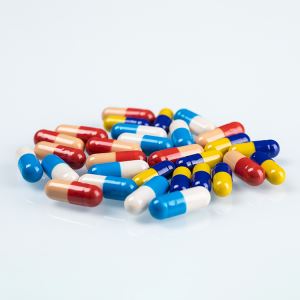

Hey there! As a supplier of HPMC capsules, I often get asked a bunch of questions about what these capsules can and can't hold. One question that's been popping up a lot lately is, "Are HPMC capsules suitable for encapsulating local anesthetics?" Well, let's dive right in and break this down.
First off, let's talk a bit about HPMC capsules. HPMC stands for hydroxypropyl methylcellulose. These capsules are a popular choice in the pharmaceutical and nutraceutical industries for a bunch of good reasons. They're Vegetarian Gelatin Capsule, which means they're suitable for vegetarians and vegans. They're also free from animal by - products, so they're a great option for those with dietary restrictions. Plus, they have good stability and compatibility with a wide range of substances.
Now, when it comes to local anesthetics, we need to understand what they are and how they work. Local anesthetics are drugs that block nerve signals in a specific part of the body, numbing the area and preventing pain. Common examples include lidocaine, procaine, and bupivacaine. These drugs are usually used in medical procedures like dental work, minor surgeries, and some skin treatments.
So, are HPMC capsules a good fit for encapsulating local anesthetics? Well, there are a few factors we need to consider.
Compatibility
One of the most important things is the chemical compatibility between the HPMC capsule and the local anesthetic. HPMC is a relatively inert material, which means it doesn't react easily with other substances. Most local anesthetics are formulated in a way that they're stable and don't interact negatively with the capsule material. However, it's crucial to do some tests. Some local anesthetics might have additives or excipients that could potentially react with the HPMC over time. For example, if the anesthetic contains certain acids or bases at high concentrations, it could potentially affect the integrity of the capsule. But in general, for well - formulated local anesthetics, HPMC capsules are likely to be compatible.
Release Profile
The release profile of the local anesthetic from the capsule is another key factor. When a patient takes a capsule containing a local anesthetic, the drug needs to be released at the right time and in the right amount. HPMC capsules can be designed to have different release profiles. For immediate - release applications, HPMC capsules can dissolve quickly in the body, releasing the local anesthetic rapidly. This is useful in situations where quick numbing is required. On the other hand, if a sustained - release effect is needed, HPMC capsules can be modified. By using different grades of HPMC or adding certain polymers, we can control how the capsule dissolves and how the drug is released over time. This can be beneficial for longer - lasting pain relief.
Stability
Stability is also a big deal. Local anesthetics need to be stable within the capsule during storage. HPMC capsules offer good protection against environmental factors like moisture, oxygen, and light. They have a low moisture permeability, which means they can keep the local anesthetic dry. This is important because moisture can cause some drugs to degrade or form clumps. Oxygen can also react with certain components of the local anesthetic, so the barrier properties of HPMC capsules help to keep the drug stable.
Safety
Safety is always a top priority. HPMC capsules are considered safe for human consumption. They're made from natural cellulose derivatives, and they're well - tolerated by most people. When encapsulating local anesthetics, we need to ensure that the capsule doesn't introduce any additional risks. Since HPMC capsules are free from common allergens like gelatin, they can be a safer option for patients with allergies.
Advantages of Using HPMC Capsules for Local Anesthetics
- Vegetarian and Vegan - Friendly: As mentioned earlier, HPMC capsules are Vegetarian Gelatin Capsule, which makes them suitable for a wider range of patients. In today's market, there's a growing demand for products that meet different dietary needs, and using HPMC capsules can give your local anesthetic product an edge.
- Customizable: We can customize the HPMC capsules in terms of size, shape, and release profile. This allows for more flexibility in formulating the local anesthetic product. Whether you need a small capsule for a low - dose anesthetic or a larger one for a higher dose, we can make it happen.
- Good Appearance: HPMC capsules can be made in different colors and with a smooth finish. This can enhance the overall appearance of the product, which is important for patient acceptance. A well - presented capsule can give patients more confidence in the product.
Some Considerations
- Cost: HPMC capsules can be a bit more expensive than traditional gelatin capsules. However, considering the benefits they offer, especially in terms of dietary suitability and customization, the extra cost might be worth it.
- Regulatory Requirements: When using HPMC capsules to encapsulate local anesthetics, you need to make sure that you comply with all the relevant regulatory requirements. Different countries and regions have different rules regarding the use of capsules in pharmaceutical products. You'll need to ensure that your product meets all the safety and quality standards.
In conclusion, HPMC capsules can be a suitable option for encapsulating local anesthetics. They offer good compatibility, customizable release profiles, stability, and safety. However, it's always a good idea to do some in - depth testing and consult with experts in the field. If you're in the business of formulating local anesthetics and are looking for a reliable capsule solution, our Hollow Capsule and Green Capsule options could be just what you need.


If you're interested in learning more about how our HPMC capsules can work for your local anesthetic product, or if you have any other questions, don't hesitate to reach out. We're here to help you find the best capsule solution for your needs. Let's start a conversation and see how we can work together to create a great product.
References
- Lehar, J., & Shoichet, B. K. (2009). Pharmaceutical applications of polymers. Chemical Reviews, 109(3), 1239 - 1274.
- Mahato, R. I., Narang, A., & Jain, S. K. (2015). Oral drug delivery: Emerging trends. Journal of Controlled Release, 203, 1 - 11.
- Shah, N. H., & Amidon, G. L. (1993). Mechanisms of solute release from porous hydrophilic polymers. Journal of Controlled Release, 25(1 - 3), 1 - 12.