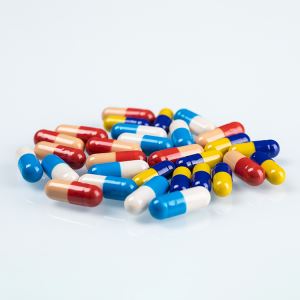

Are hard gelatin capsules suitable for all types of drugs? This is a question that often arises in the pharmaceutical industry. As a supplier of hard gelatin capsules, I have had the opportunity to engage with numerous pharmaceutical companies and professionals, and the answer to this question is not as straightforward as one might think.
The Basics of Hard Gelatin Capsules
Hard gelatin capsules are a popular choice in the pharmaceutical and nutraceutical industries. They are made from gelatin, a protein derived from collagen, which is commonly sourced from animal by - products such as bovine or porcine hides and bones. These capsules consist of two parts: a body and a cap, which fit together to enclose the drug or supplement.
One of the main advantages of hard gelatin capsules is their versatility. They can accommodate a wide range of drug formulations, including powders, granules, pellets, and even liquids in some cases. Their transparent or opaque appearance allows for easy identification of the contents, and they can be printed with important information such as dosage, brand name, and expiration date.
Suitability for Different Drug Types
Solid Drugs
Hard gelatin capsules are well - suited for solid drugs in powder or granule form. The capsules provide a convenient and efficient way to deliver a precise dose of the drug. For example, many over - the - counter pain relievers and vitamins are formulated as powders and filled into hard gelatin capsules. The capsules protect the drug from environmental factors such as moisture, light, and air, which can degrade the active ingredients. This helps to maintain the stability and efficacy of the drug over its shelf life.
The process of filling hard gelatin capsules with solid drugs is relatively simple and can be automated, making it a cost - effective option for large - scale production. The capsules can be filled with a variety of excipients along with the active drug to improve its flowability, compressibility, and dissolution rate. For instance, lactose or microcrystalline cellulose can be used as fillers, and magnesium stearate can be added as a lubricant.
Liquid Drugs
While hard gelatin capsules are traditionally associated with solid formulations, they can also be used for certain liquid drugs. However, this requires careful consideration of the properties of the liquid. The liquid should be non - aqueous and have a low viscosity to ensure proper filling and sealing of the capsules. Additionally, the liquid should not react with the gelatin shell.
Some liquid drugs, such as oily solutions of fat - soluble vitamins, can be successfully encapsulated in hard gelatin capsules. The gelatin shell provides a barrier that prevents the liquid from leaking out and protects it from oxidation. However, for highly reactive or volatile liquids, other types of capsules, such as Soft Gelatin Capsules, may be a more suitable option. Soft gelatin capsules are more flexible and can better accommodate liquids with a wider range of properties.
Sensitive Drugs
Hard gelatin capsules may not be the best choice for drugs that are sensitive to moisture or have a high affinity for gelatin. Gelatin is a hygroscopic material, which means it can absorb moisture from the environment. If a drug is moisture - sensitive, the absorbed moisture can cause the drug to degrade or form clumps inside the capsule.
For example, some antibiotics and probiotics are very sensitive to moisture. In these cases, alternative capsule materials or packaging methods may be required. Enteric - coated hard gelatin capsules can be used for drugs that need to be protected from the acidic environment of the stomach. However, the enteric coating process adds complexity and cost to the manufacturing process.
Limitations of Hard Gelatin Capsules
Allergic Reactions
Since gelatin is derived from animal sources, there is a risk of allergic reactions in some individuals. People with allergies to bovine or porcine proteins may experience allergic symptoms when taking drugs encapsulated in hard gelatin capsules. This limits the use of hard gelatin capsules for patients with such allergies. In response to this issue, vegetarian and vegan alternatives, such as capsules made from hydroxypropyl methylcellulose (HPMC), have been developed.
Compatibility with Certain Drugs
As mentioned earlier, some drugs may react with the gelatin shell. For example, drugs with a high pH or those containing aldehydes can cause cross - linking of the gelatin, which can affect the dissolution and release of the drug. In addition, drugs that are highly lipophilic may interact with the gelatin matrix, leading to changes in the drug's bioavailability.
Our Offerings as a Hard Gelatin Capsule Supplier
At our company, we understand the importance of providing high - quality hard gelatin capsules that meet the diverse needs of the pharmaceutical industry. We offer a range of Small Gelatin Capsule sizes, including the popular 00 Gel Capsule, to accommodate different drug dosages.
Our capsules are manufactured using strict quality control measures to ensure their purity, strength, and stability. We source our gelatin from reliable suppliers and conduct rigorous testing to ensure that it meets all relevant standards. Our production facilities are equipped with state - of - the - art technology, which allows us to produce capsules with consistent quality and high precision.
We also work closely with our customers to provide customized solutions. Whether you need capsules with a specific color, print, or coating, we can tailor our products to your requirements. Our technical support team is available to assist you in choosing the most suitable capsule for your drug formulation and to address any concerns you may have.
Conclusion
In conclusion, hard gelatin capsules are a versatile and widely used option for drug delivery, but they are not suitable for all types of drugs. They are well - suited for solid drugs and some liquid drugs, but have limitations when it comes to sensitive drugs, drugs with compatibility issues, and patients with allergies.
As a hard gelatin capsule supplier, we are committed to providing high - quality products and excellent customer service. If you are in the pharmaceutical or nutraceutical industry and are looking for a reliable source of hard gelatin capsules, we invite you to contact us for a detailed discussion about your needs and how we can help you. We look forward to the opportunity to work with you and contribute to the success of your drug products.


References
- Pharmaceutical Dosage Forms: Tablets, Volume 1, Third Edition, edited by Herbert A. Lieberman, Leon Lachman, and Joseph B. Schwartz.
- Remington: The Science and Practice of Pharmacy, 22nd Edition, edited by Philip B. Troy.
- Handbook of Pharmaceutical Excipients, 7th Edition, edited by Raymond C. Rowe, Paul J. Sheskey, and Marian E. Quinn.